01
Quality that matters
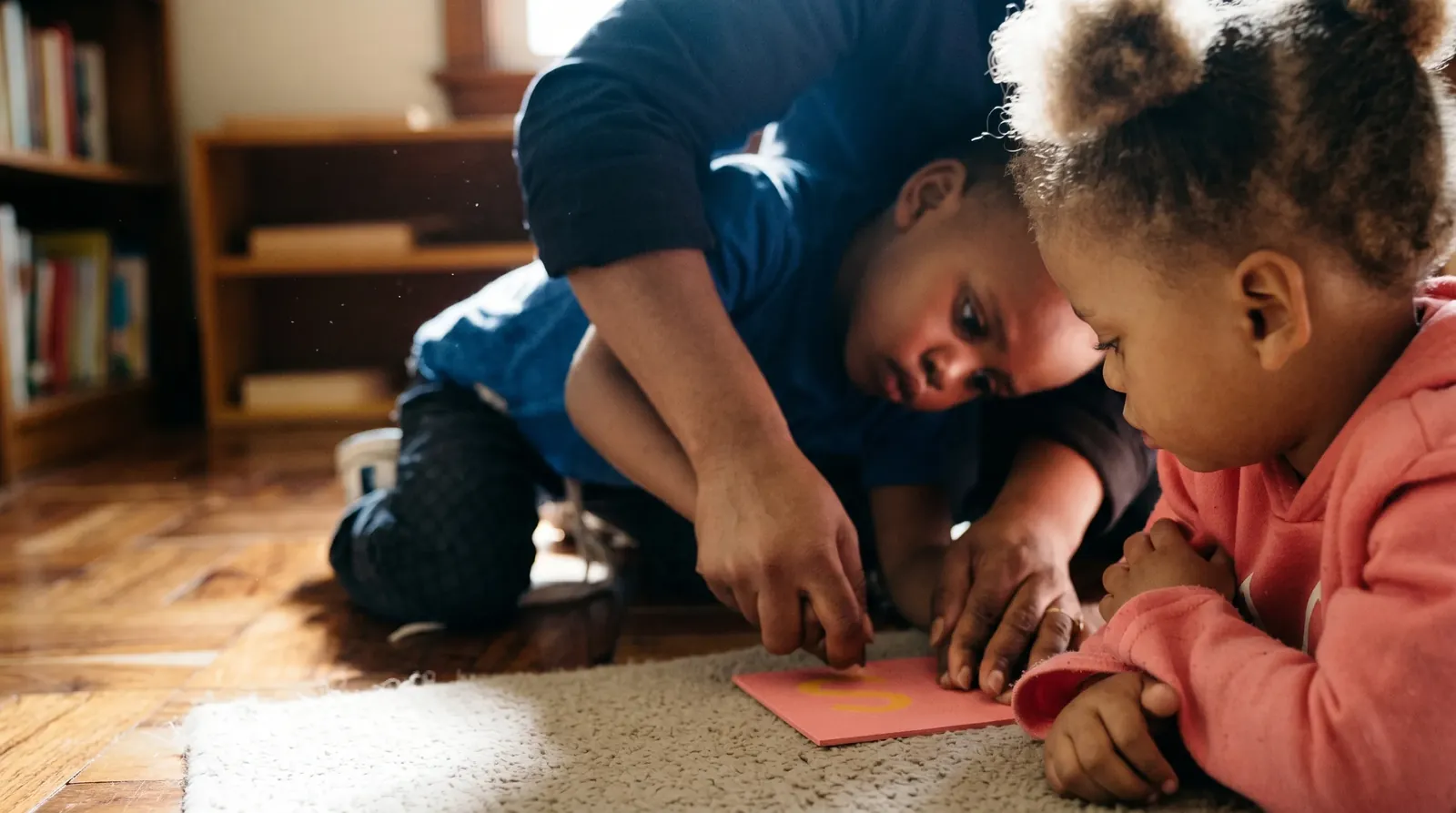
Learning grounded in recognised pedagogy, observed practice and clear standards.
Indaba Deploy · Human Capability Infrastructure
Exceptional early childhood development depends on exceptional adults. Indaba builds the layer that keeps forming them: local facilitators, practical pathways, quality systems and technology, from one community to national ambitions.
Partnerships by conversation
Build Human Capability with IndabaExplore the Deployment Model
01The missing layer
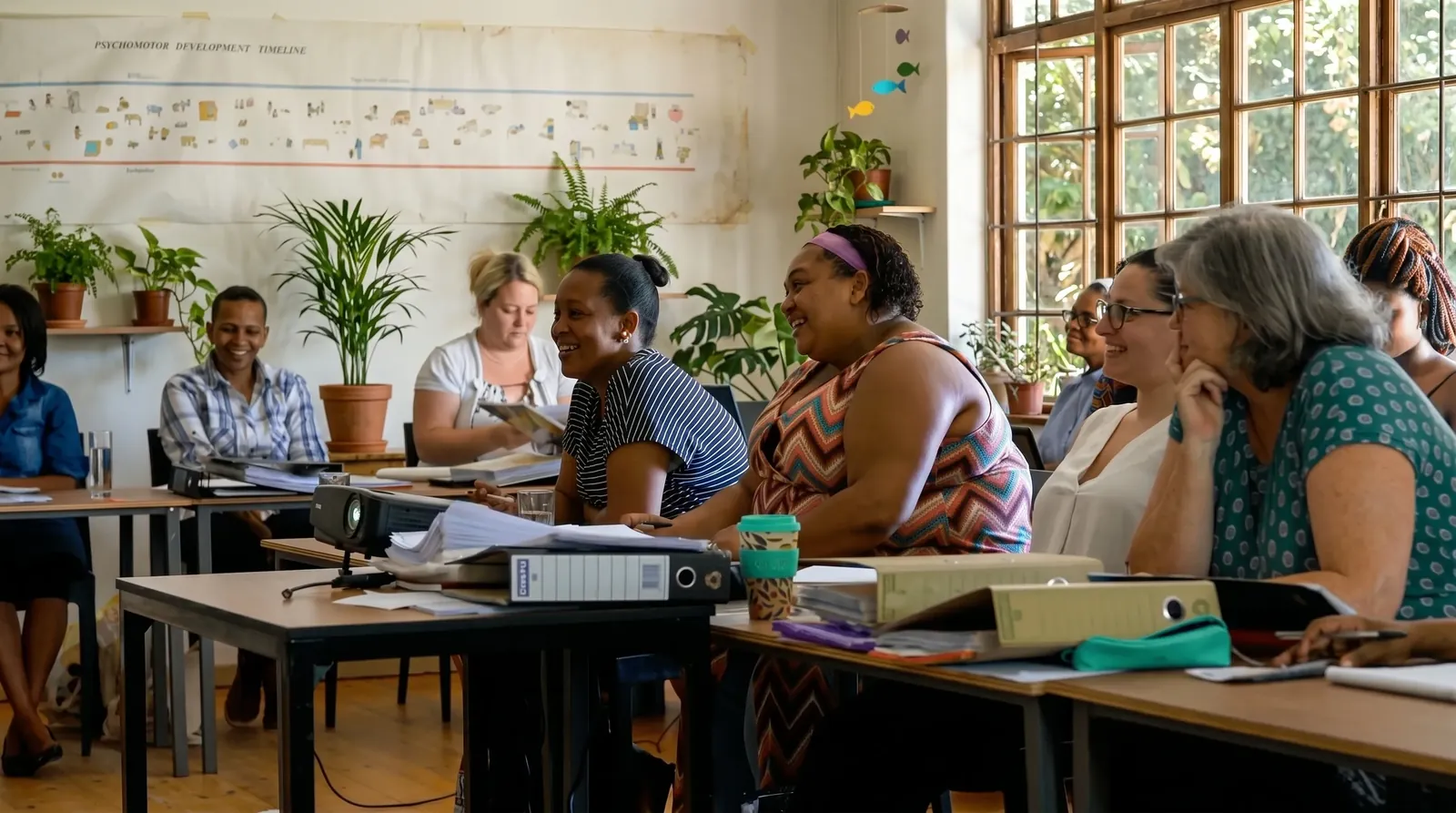
Physical spaces, policies and budgets are essential. Yet lasting early childhood quality also depends on what adults know, how they practise, and whether they receive the support to improve. Too often, this capability is fragmented, hard to access or lost when a project ends.
Indaba focuses on that missing layer: the people, tools, standards and systems that help early childhood investments translate into better daily experiences for children.
We do not simply train practitioners. We build the infrastructure that keeps producing, supporting and improving them.
Indaba works alongside existing providers and public services; the aim is to strengthen what is already there, not to replace it.
02A new infrastructure category
Energy needs generation and grids. Water needs treatment and distribution. Digital economies need data centres and networks. Transport needs roads, rail and operating systems.
Early childhood depends on infrastructure too. Its most important infrastructure is human.
01
has infrastructure.
MW · MWh
Generate and distribute reliable energy.
02
has infrastructure.
m³ a day
Produce and maintain safe water capacity.
03
has infrastructure.
Compute · availability
Provide reliable digital capacity at scale.
04
has infrastructure.
Coverage · bandwidth
Maintain the network information travels on.
05
has infrastructure.
Passenger-km
Move people reliably and safely.
06
Early human development
The buildings exist. The people are there. The human capability layer between them remains fragmented.
It Needs Infrastructure Too.
Unlike energy, water or connectivity, early childhood does not yet have a widely recognised operating layer for human capability at scale. Indaba is building it.
03The living grid
Scroll to watch capability spread: one facilitator, the adults they prepare, the places those adults change, and the local, regional and national layers that keep quality alive as it grows.
01One adult
A facilitator from the community, formed over one to two years. Not a visiting expert: a local professional who stays.
02Practitioners
Teachers, caregivers and community practitioners learn through practice, observation and mentoring, close to where they work.
03Environments
Prepared adults make calmer, richer environments. Families connect through Guide. Quality is observed, not assumed.
04Local node
A node leader and a handful of facilitators train, support and continuously improve the adults responsible for young children in one area.
05Region
Master facilitators form new facilitators, audit quality, calibrate standards and coordinate partners, so reach can grow without quality thinning.
06Nation
Communities learn from communities. Standards, certification and data connect the whole, alongside government and institutional partners.
07Shared standards
Local people. Shared standards. Continuous learning. Infrastructure that grows stronger as capability spreads.
Not a programme deployed into communities. A capability system increasingly owned by them.
04The Indaba infrastructure stack
Start with one solution or combine them into a broader capability partnership. Every layer is designed to strengthen the others.
06
Indaba InstituteResearchMaster facilitatorsNational architectureGovernment and partner integration
05
Indaba GuidePractice supportData and learning recordsAI assistance where appropriate
04
StandardsObservationAssessmentCertificationQuality assurance
03
Local nodesNode leadersMentoringCommunities of practice
02
01
ParentsCaregiversTeachersFacilitators
The products matter. The system connecting them is the real infrastructure.
Specific components, digital features and certification are subject to readiness and partnership scope.
At a quality the world deserves. At a cost the world can afford.
05The unit of deployment
We do not scale by opening Indaba schools. We build local capability that strengthens the homes, centres and organisations already there.
Local node
The unit of deployment: a small local team that forms, supports and keeps improving the adults around young children in one area.
Architecture
Installed capacity
Regional node
A regional layer that forms facilitators, audits quality, calibrates standards, manages data, supports local leadership and coordinates institutional partners.
Architecture
Installed capacity
National node
National scale is created from local capability, not from a distant central training machine.
Architecture
Illustrative planning architecture · not reported results
06Capacity
Like hospitals, utilities or transport networks, healthy infrastructure needs reserve capacity. We design nodes for quality, resilience and growth, not for permanent full utilisation.
01
How many practitioners the system can form and support.
02
How much of that capacity is being used.
03
Whether that use stays above agreed standards.
04
How much capability remains active over time.
100%Not the target: a node at 100% has no slack for mentoring, quality or growth.
Illustrative planning architecture · not reported results
How many new practitioners a node can form each year.
How many active practitioners it can mentor, observe, support, recertify and equip with digital tools, and keep above standard.
Training is an event. Capability is an asset that must be maintained.
07What partners actually buy
Contract object 01
Contract object 02
Contract object 03
Contract object 04
Indaba’s institutional model is designed around capability installed, capability available, capability used and quality maintained, not simply workshops delivered.
Proposed unit · noun
Quality Child-Year
One child receiving one year of provision from an active practitioner who is working above the agreed quality threshold.
Not an industry standard. Indaba is developing the measurement architecture to make human capability measurable, comparable and accountable.
Related measures in development
Shared curricula, observation tools and quality standards mean a caregiver or teacher in one community learns to the same standard as in another, while examples and language stay local.
Digital guidance can reach adults between sessions and in places a trainer cannot be every week, so learning continues after the workshop ends.
Facilitators are formed from within the community or partner organisation, so capability stays when an external programme moves on. The goal is not permanent dependence on Indaba; it is permanent local capability, connected to a trusted standard.
Content is created once and reused; facilitators multiply delivery; deployment is staged so spending follows evidence. We do not publish savings estimates until they are measured in a real deployment.
A partner can start with one solution, one audience and one locality, then add components as the evidence and the budget allow.
Each deployment agrees what will be measured from the start: participation, completion, observed practice and, where appropriate and ethical, outcomes for children.
08Who it serves

01
Families

02
Care
03
Education
09Why Indaba
01
Learning grounded in recognised pedagogy, observed practice and clear standards.
02
Digital guidance and local training capacity can complement existing networks and institutions.
03
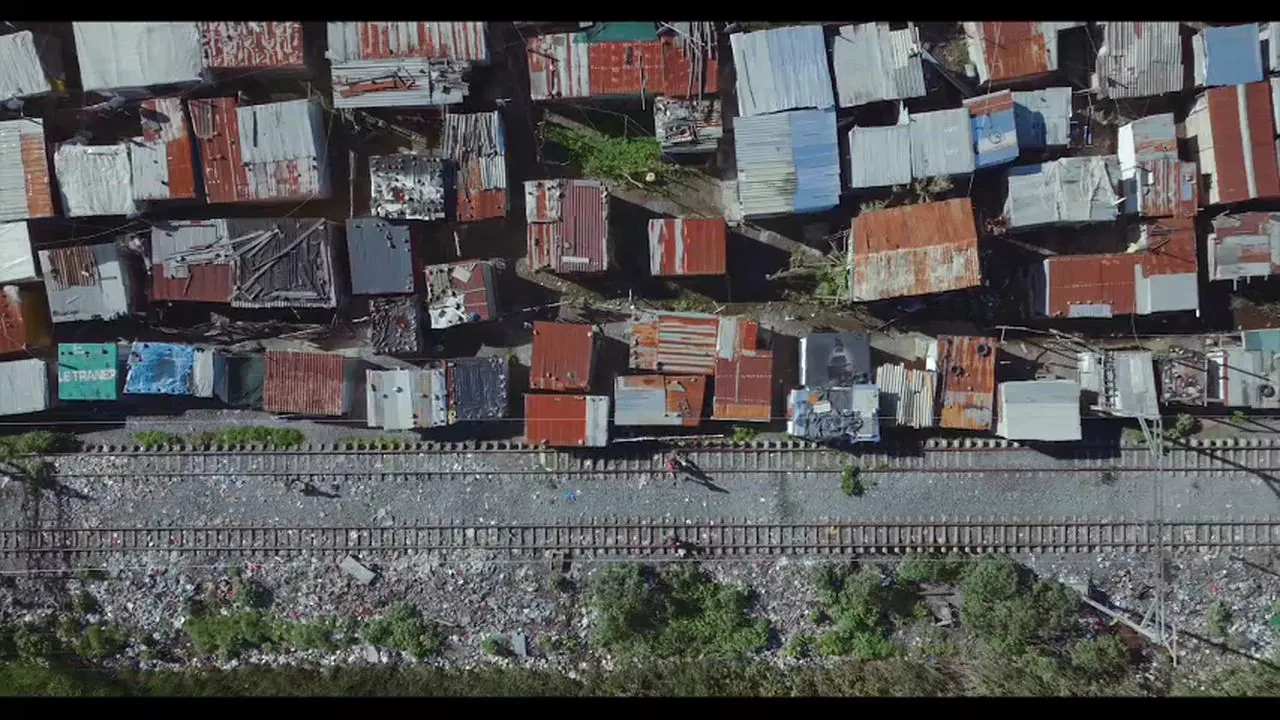
Reusable content, scalable methods and local capability aim to make access economically realistic.
04
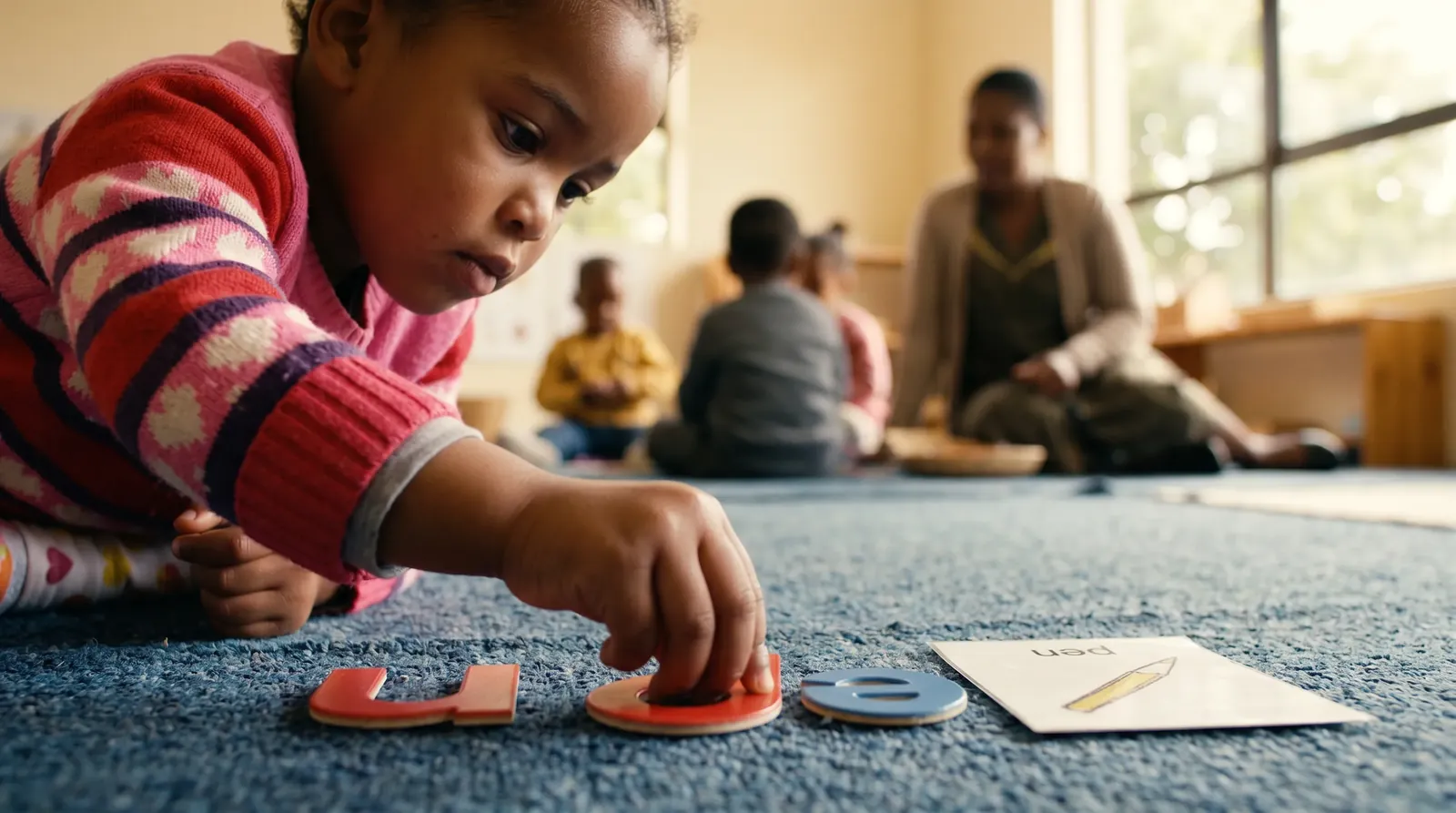
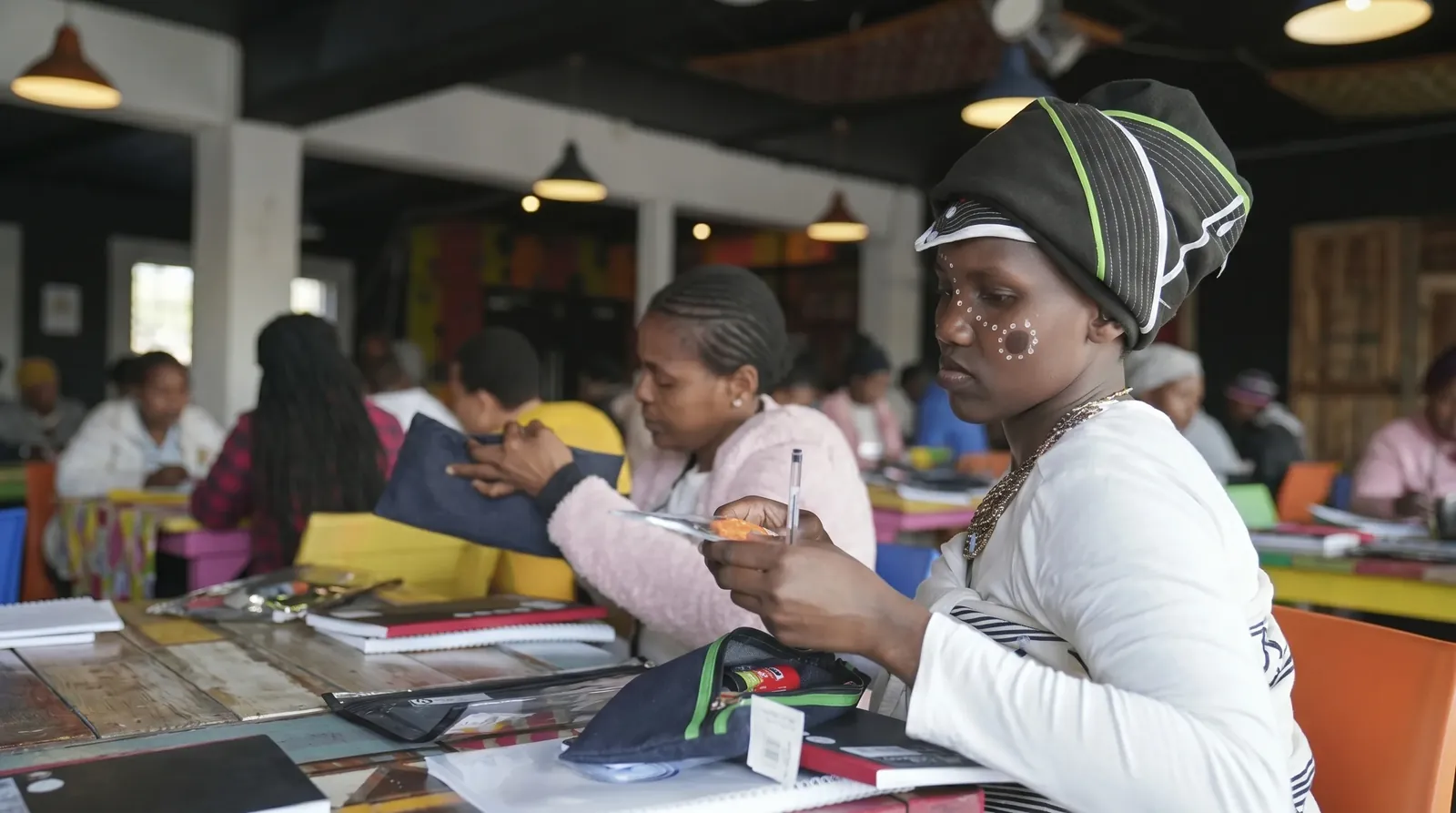
Adapt language, examples, training formats and operations to each community.
05
Build leadership, mentoring, standards and transfer of know-how alongside initial delivery.
06
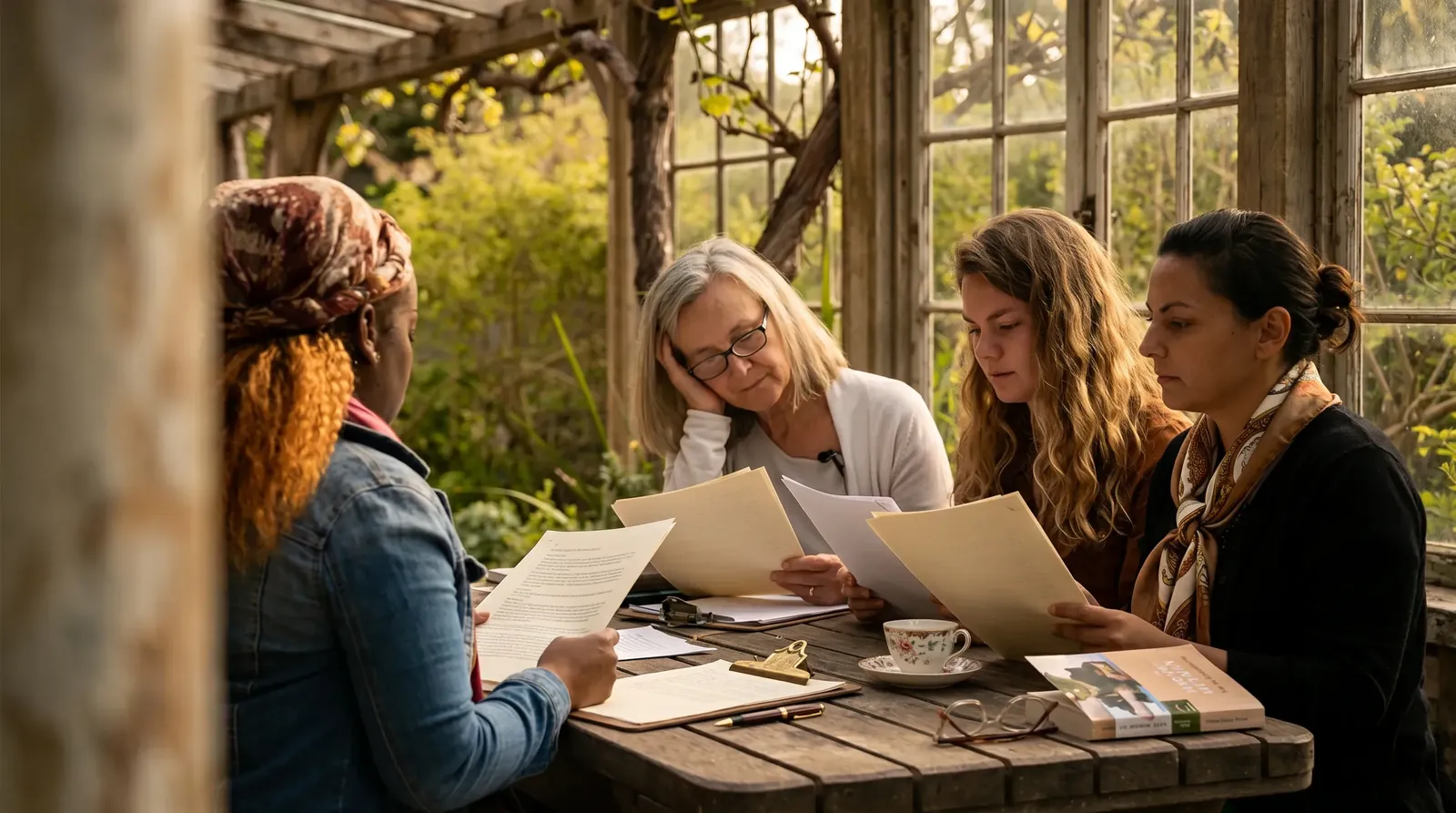
Monitor implementation, listen to local practitioners and refine programmes using evidence.
10The engine behind Indaba
Excellent content can open doors. Excellent educators help people put knowledge into practice. The Indaba Institute is the educational and quality engine behind Indaba: developing curriculum, forming facilitators and master facilitators, and safeguarding the standards, certification and research that keep every node to the same standard.
The Institute is not merely a supplier of courses. It is a source of pedagogical integrity, professional formation and ongoing learning for the wider system.
11Our deployment journey
Every context is different. Our approach follows a disciplined path, with flexibility to build on a partner’s existing strengths.
01
Demand and baseline
Listen, map needs and understand existing capacity.
OutputOpportunity assessment and shared objectives.
02
Capability masterplan
Select solutions, adapt the model and clarify delivery, governance and funding.
OutputPractical blueprint and success measures.
03
Commission the first operating unit
Test adoption, learning, delivery quality and economics in a defined context.
OutputEvidence, lessons and improved design.
04
Install node infrastructure
Form local teams, facilitators, support systems and institutional routines.
OutputOperational capability.
05
Replicate nodes, add the regional layer
Expand with repeatable processes, oversight and continuous learning.
OutputWider reach without abandoning quality.
06
Localise operations, maintain standards
Embed stewardship, sustainable financing, monitoring and knowledge transfer.
OutputA system that can continue improving.
BuildOperateLocaliseAssure
Our deployment philosophy. Entry stage, timetable and outcomes depend on the partnership and its starting point.
12Partnership models
Each model builds on the one before it. Scope, governance and financing are designed around the purpose and circumstances of each collaboration.
Model 1
One product, one population: Guide, Care or CoRE for a defined audience.
Model 2
Indaba supports planning, delivery and quality assurance alongside your team.
Model 3
Build local facilitators, nodes, quality systems and digital support that stay.
Model 4
Regional or national architecture, designed over several years with public and institutional partners.
AssessDesignBuildOperateLocaliseAssure
Who this is for
Build a durable early childhood workforce and delivery capability.
Strengthen the human-capability layer inside large human-capital investments.
Add a repeatable early childhood operating system to the reach you already have.
Professionalise caregivers and family support at scale.
Finance the catalytic infrastructure that unlocks recurring institutional deployment.
13Built on practice
Indaba’s approach grows from years of work with educators and communities, including the Community Rooted Education (CoRE) programme. CoRE, designed by Educateurs sans Frontières (EsF), is delivered with the Indaba Institute. Field reports document changes in classroom practice and learning environments, and give a foundation for continued learning and improvement.
Field work · South Africa
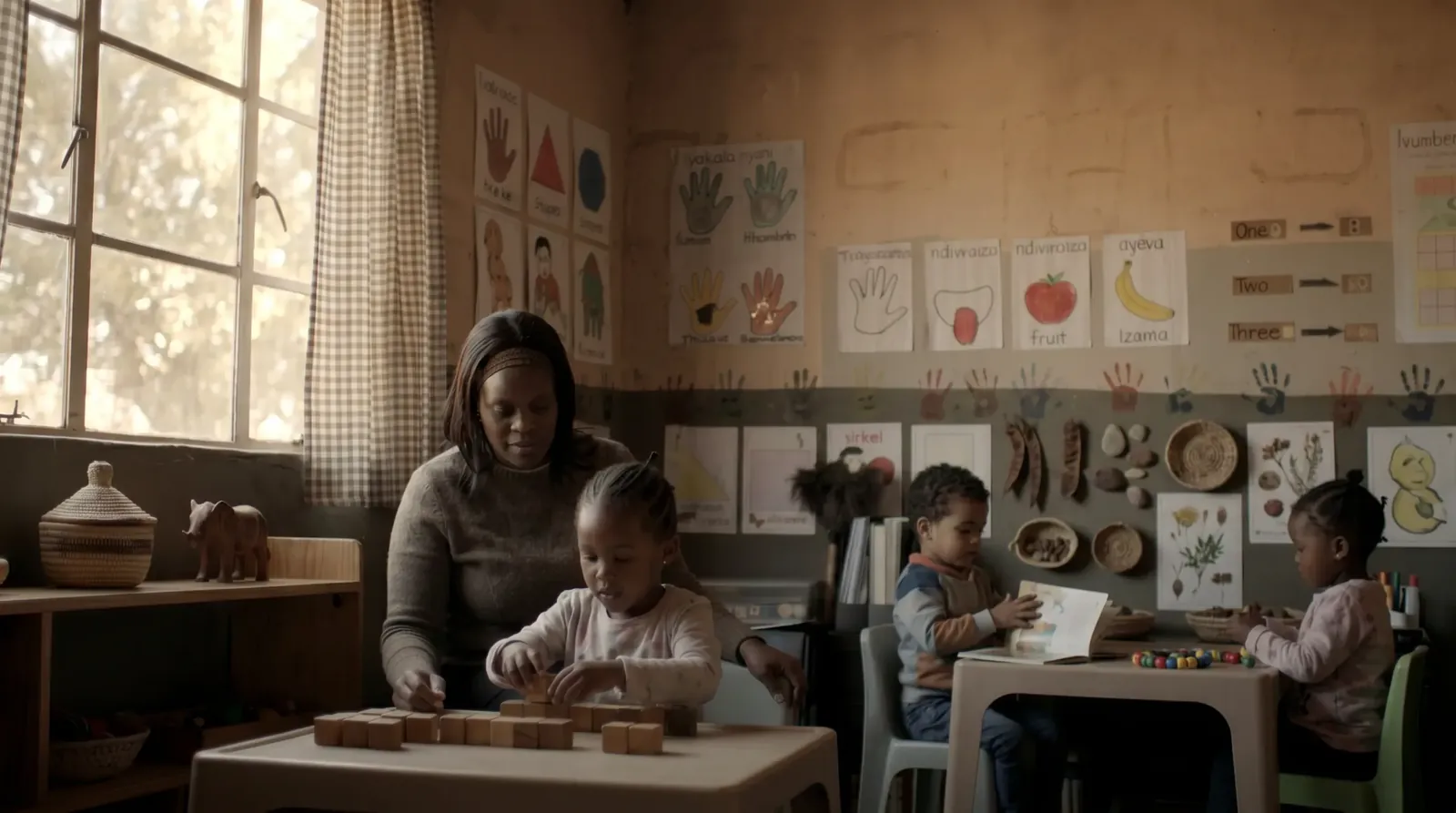
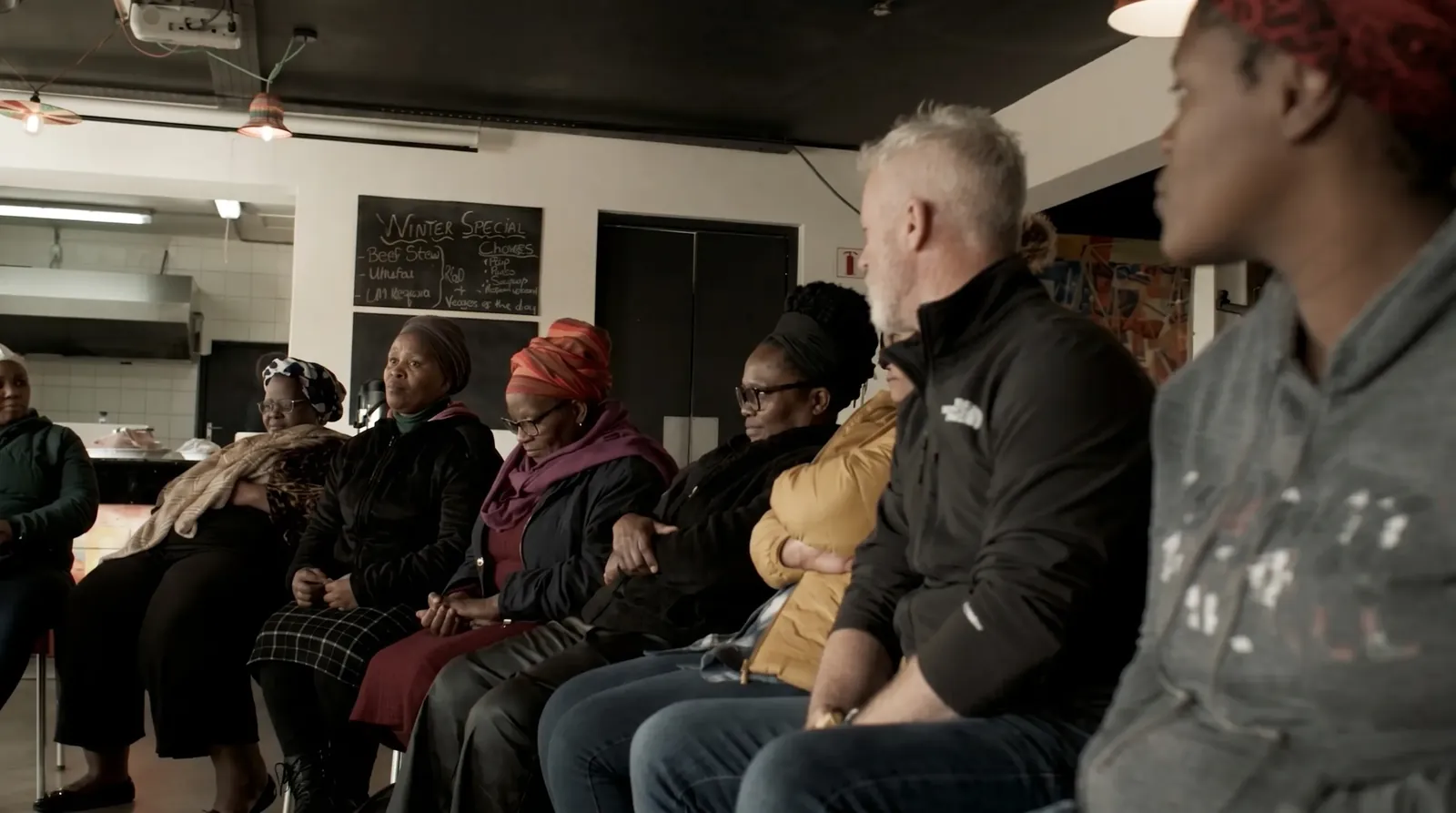
Practitioners in community early learning centres trained through CoRE, with field reports describing changes in classroom routines, materials and the learning environment.
SourceCoRE field reports (Indaba Institute); details shared in partnership discussions.
Field work · Tanzania
CoRE work is identified in Mkalama and Zanzibar, Tanzania; figures are withheld until the field report is reviewed.
SourceIndaba Institute master brief; field report under review.
Prior team experience
Before Indaba, members of the team built and ran large-scale educational media. This is the team’s earlier experience, not Indaba’s own sales or reach.
SourceAs reported by Sikana; prior team track record.
Operating experienceProposed architecture
01 · Operating experience
Parents, caregivers and teachers prepared to see the child and shape the environment around them.
Since 2021 in Kayamandi.
02 · Operating experience
Locally rooted professionals who prepare and mentor those adults, close to where they work.
Five active CoRE facilitators, June 2026.
03 · Proposed
Groups of facilitators, partners and quality assurance, carried by people from within each region.
04 · Proposed
Work with governments and institutions so preparation and quality standards can live inside public systems.
05 · Proposed
The model replicated country by country through local leadership and partners, not one organisation growing without end.
First work in Tanzania is under review.
An invitation
You bring
Indaba brings
The infrastructure is human.
The outcome is a child able to flourish.