Deploy · Partnership Models
Partnerships Designed Around Your Goals.
Every institution starts from a different place. Some need access to one solution. Others want an operating partner or the capability to build and run a system themselves. We shape the partnership around the outcome, not the other way around.

01Model 1 · Solution Deployment
Bring an Indaba Learning Solution to Your Audience.
Make a defined Indaba product or pathway accessible to employees, families, practitioners or a service network. Agree the audience, delivery channel, support level and practical measures of success.
Illustrative use
An employer making caregiver development accessible to its workforce; an NGO offering learning resources to parents.

02Model 2 · Managed Deployment
Deliver with a Trusted Operating Partner.
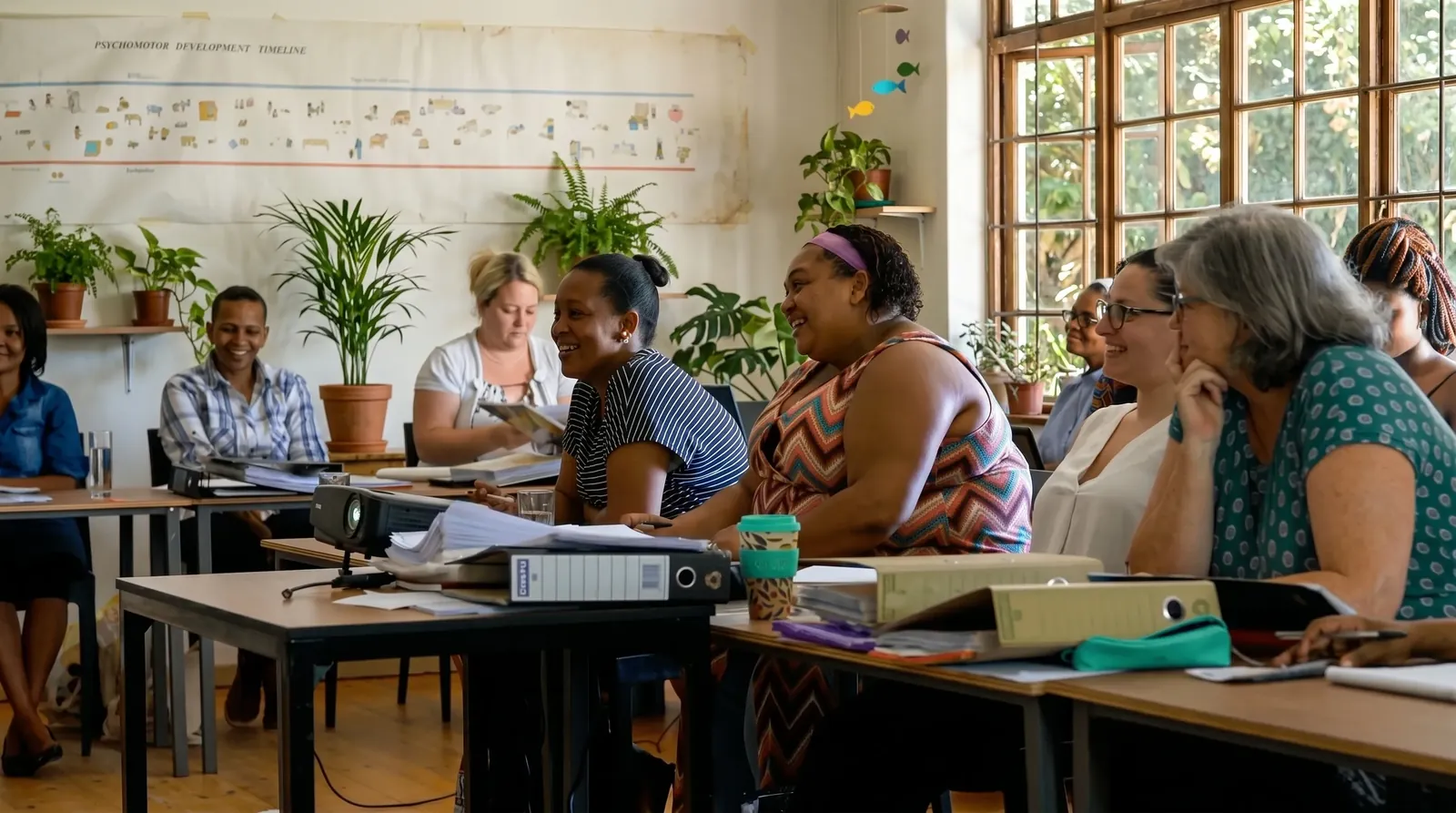
Work with Indaba to plan and execute a structured training or capability programme, including implementation coordination, training support and monitoring arrangements.
Illustrative use
A regional network strengthening teacher practice across its centres.
03Model 3 · Capability Infrastructure
Build Capacity That Stays.
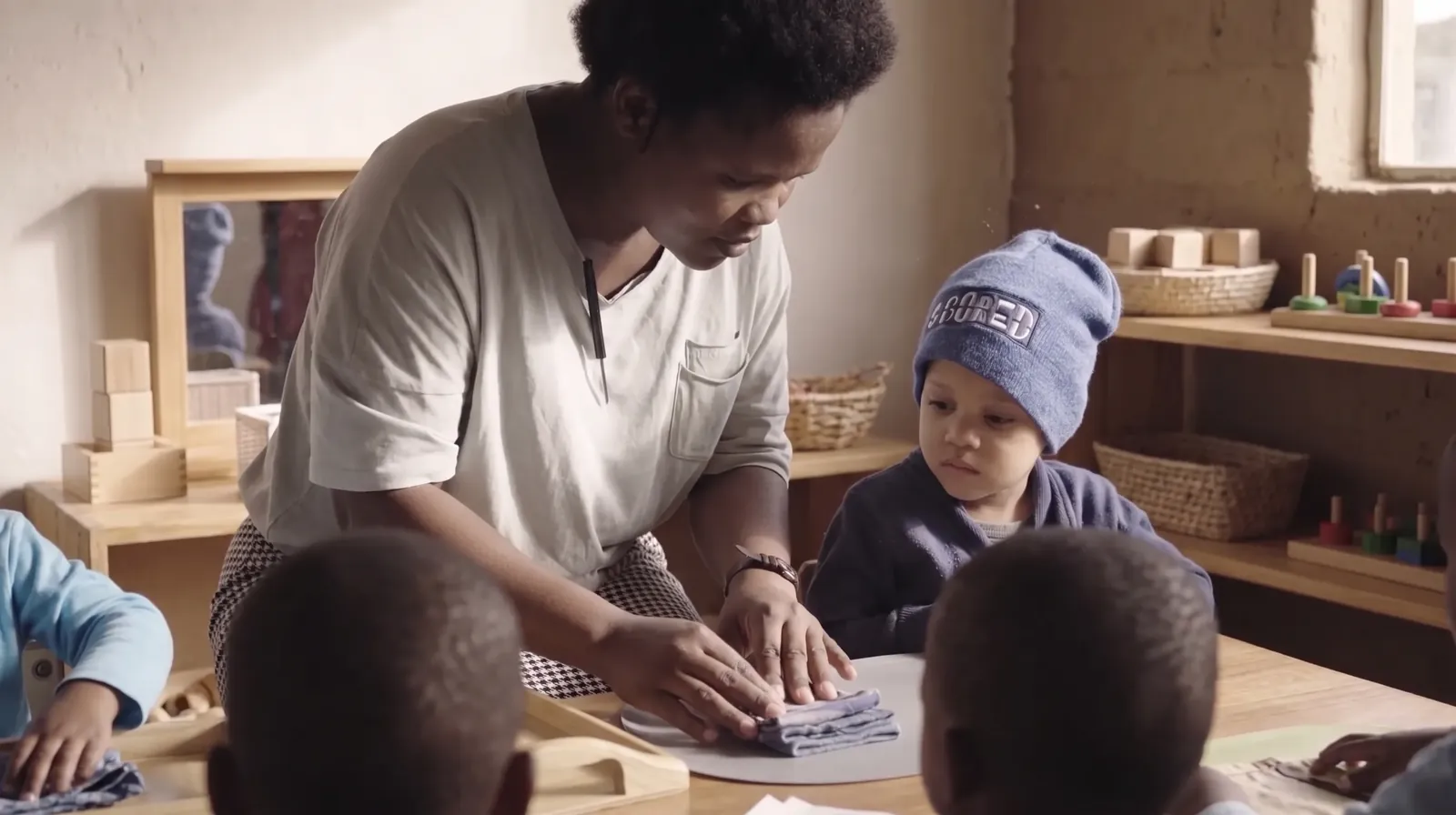
Go beyond direct training by installing local capability: facilitators, a local node, management routines, quality systems, digital support and transferable implementation knowledge that stay when the first contract ends.
Illustrative use
A government department or NGO establishing an internal early childhood development (ECD) professional-development capability.
04Model 4 · System Partnership
Design the Long-Term System Together.
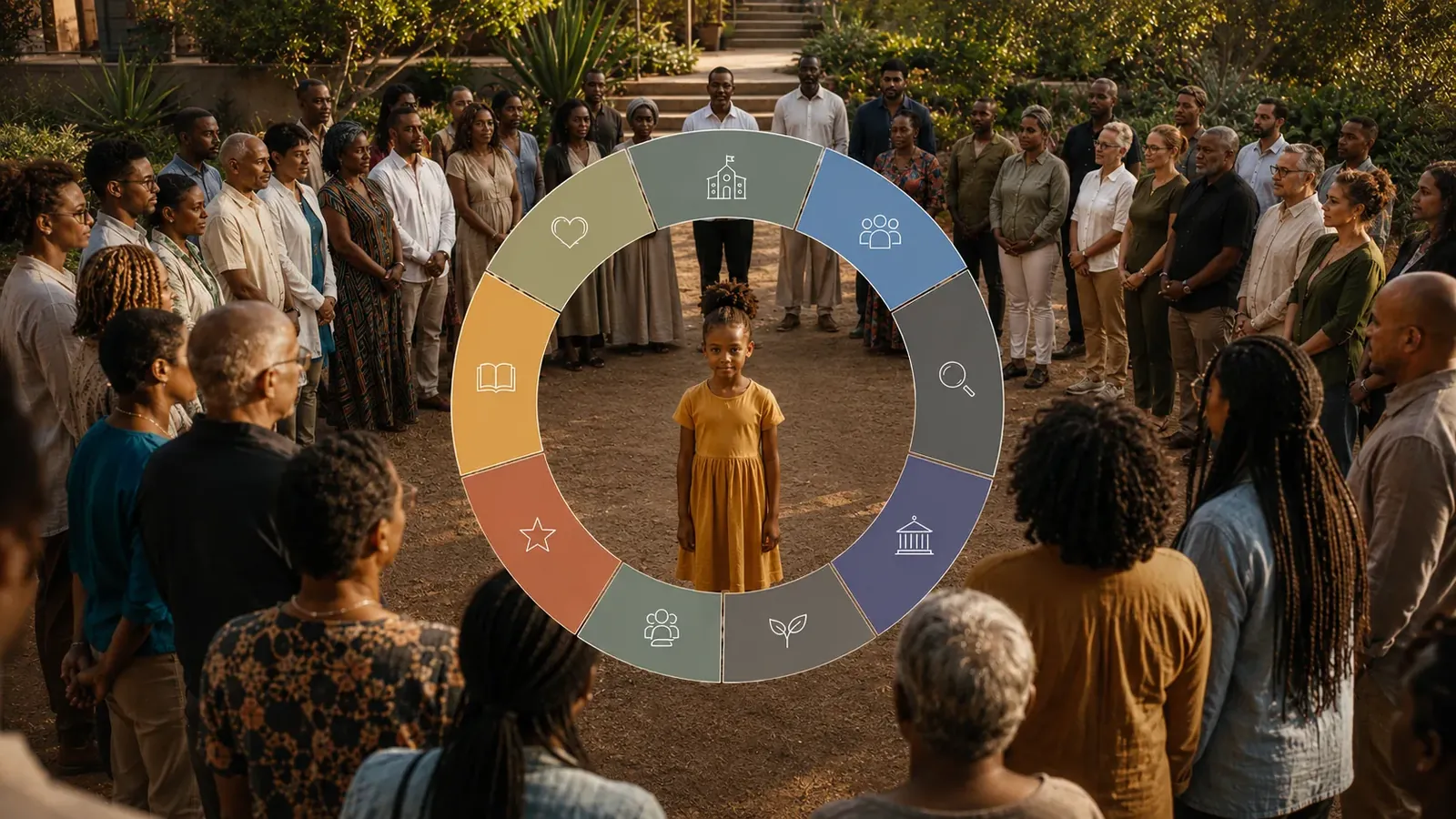
Establish a multi-year framework bringing together people, digital guidance, learning pathways, standards and shared governance. Sequence investment to test assumptions, build local capacity and expand when evidence warrants.
Illustrative use
National or multi-region capability-system development with public and institutional stakeholders.
05Who we partner with
Collaboration Across Sectors.
-
Government and public systems
Departments and municipalities strengthening early learning, family support or care.
-
NGOs and civil society
Organisations with community reach that want stronger, lasting practice.
-
Employers and the care sector
Agencies and employers investing in caregivers and working parents.
-
ECD and school networks
Centre and school groups raising quality across many sites.
-
Development institutions and funding consortia
Funders designing programmes that must outlast their funding cycle.
Sample fit and project types, not a list of current partners. Partner names appear only with their agreement.
06What a good partnership includes
Clear Goals. Shared Accountability.
Every Indaba partnership is agreed in writing before work begins. It sets out:
- Measurable objectives
- Named governance and decision rights
- Operational responsibilities
- Intellectual property and data rights
- Quality safeguards
- Budget and reporting cadence
- Local knowledge transfer
- Exit and transition provisions
- Child safety and privacy throughout
07Engagement process
Begin with a Conversation.
-
01
Introduction
An introductory discussion and a first view of fit.
-
02
Discovery
Needs mapping with the people closest to the work.
-
03
Scope
Scope, budget and responsibilities agreed.
-
04
Agreement
A pilot or initial deployment agreement.
-
05
Review
Review, and phased expansion where justified.
Giving, investing or an academic partnership? See where each enquiry goes.
Let’s begin
Let’s Design the Right Partnership.
Tell us who you serve and what you hope to improve. We will help identify an appropriate starting point.