 Concept
Four pathways · one way of seeing the child
Indaba PathwaysFrom Watching a Lesson to Mastering a Skill.
A good video can inspire. A pathway builds capability. Indaba Pathways combine demonstration, guided practice, feedback and reflection, so that parents, caregivers, teachers and facilitators can do the work differently.
01Four pathways
Four Pathways. One Way of Seeing the Child.
Each pathway is designed for a different adult in a child’s life. CoRE is delivered today with the Indaba Institute and partners, and its facilitators are selected with partners; Parents is being designed and Indaba Care is preparing its first cohorts. Each page says plainly which.
 Concept
01
In development · register interest
Parents Pathway
Grow alongside your child.
For parents and families of children from birth to six.
Explore the Pathway Concept
02
First cohorts being arranged · register interest
Indaba Care
Make exceptional care your craft.
For nannies and home-based caregivers. Built on CARE, the Indaba Institute’s programme.
Explore Care
03
Delivered with partners
CoRE Teachers
Change the classroom.
For early childhood educators, with mentoring in their own classrooms.
Discover CoRE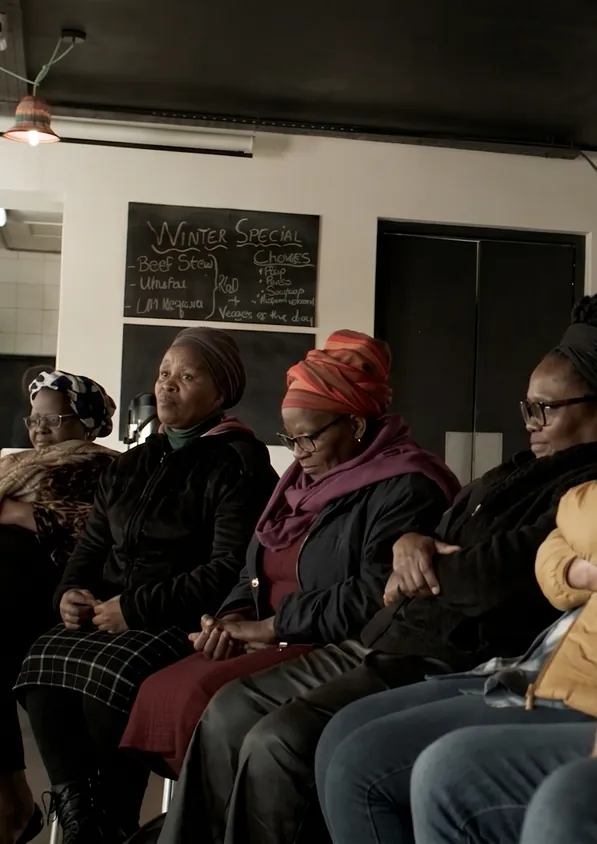
04
By selection, with partners
Indaba Facilitators
Guide those who guide children.
For locally rooted educators who train, mentor and sustain quality.
Explore Facilitators
Not Sure Which? Start With Who You Are.
For parents and families
Start with the Parents Pathway, and keep Indaba Guide close for the questions of everyday life.
For nannies and caregivers
Indaba Care is built on CARE, the Indaba Institute’s in-person caregiver programme. First cohorts are being arranged.
For early childhood educators
CoRE is community-rooted professional learning, with mentoring in your own classroom. It runs with partner organisations.
For facilitators
An advanced pathway for locally rooted educators who train, mentor and sustain quality. Places open by selection, with partners.
For employers, NGOs and public partners
Arrange cohorts, sponsor access and build a local facilitator team through Indaba Deploy.
02Why a pathway
Inspiration Fades. Practice Stays.
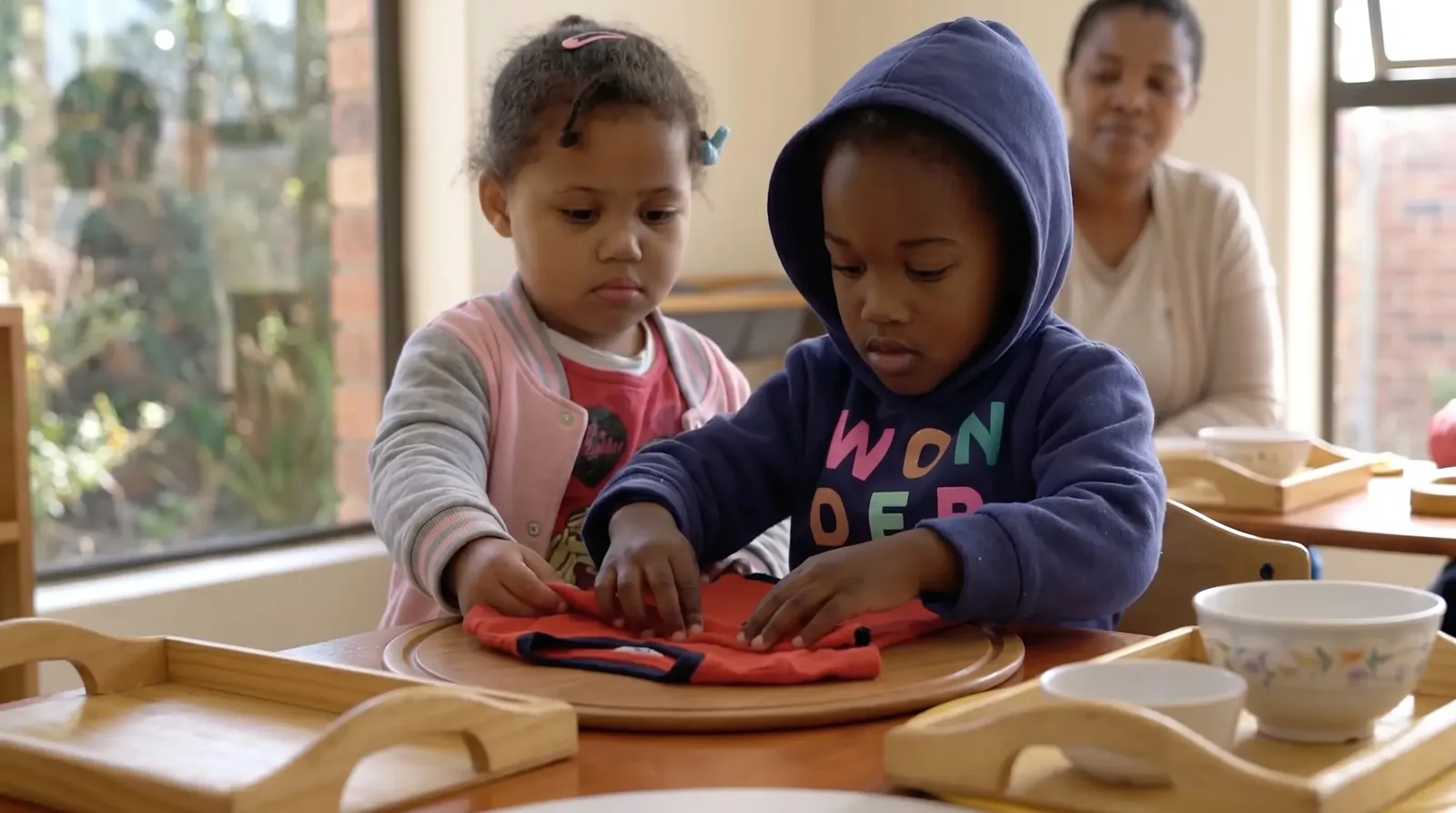
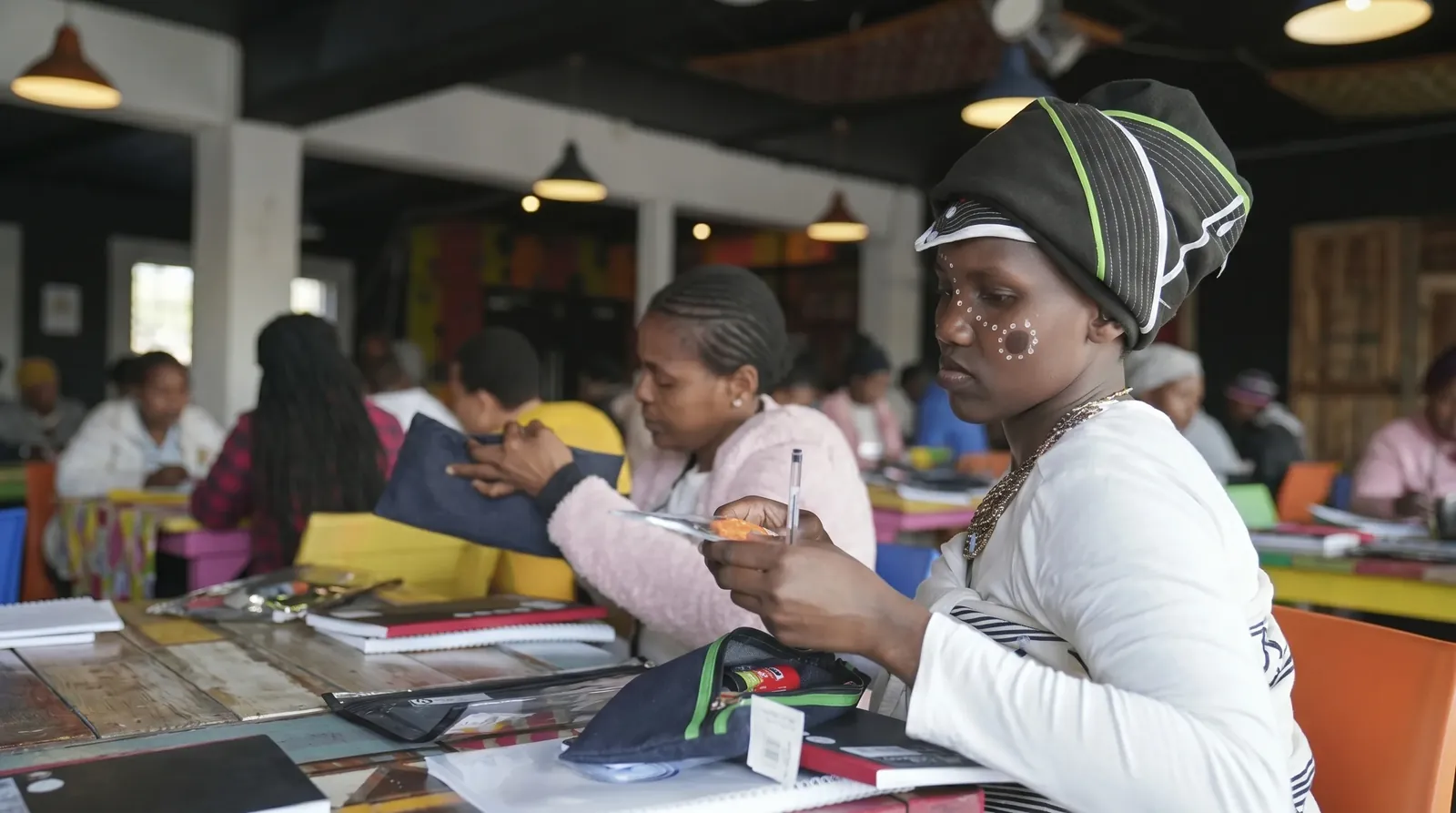
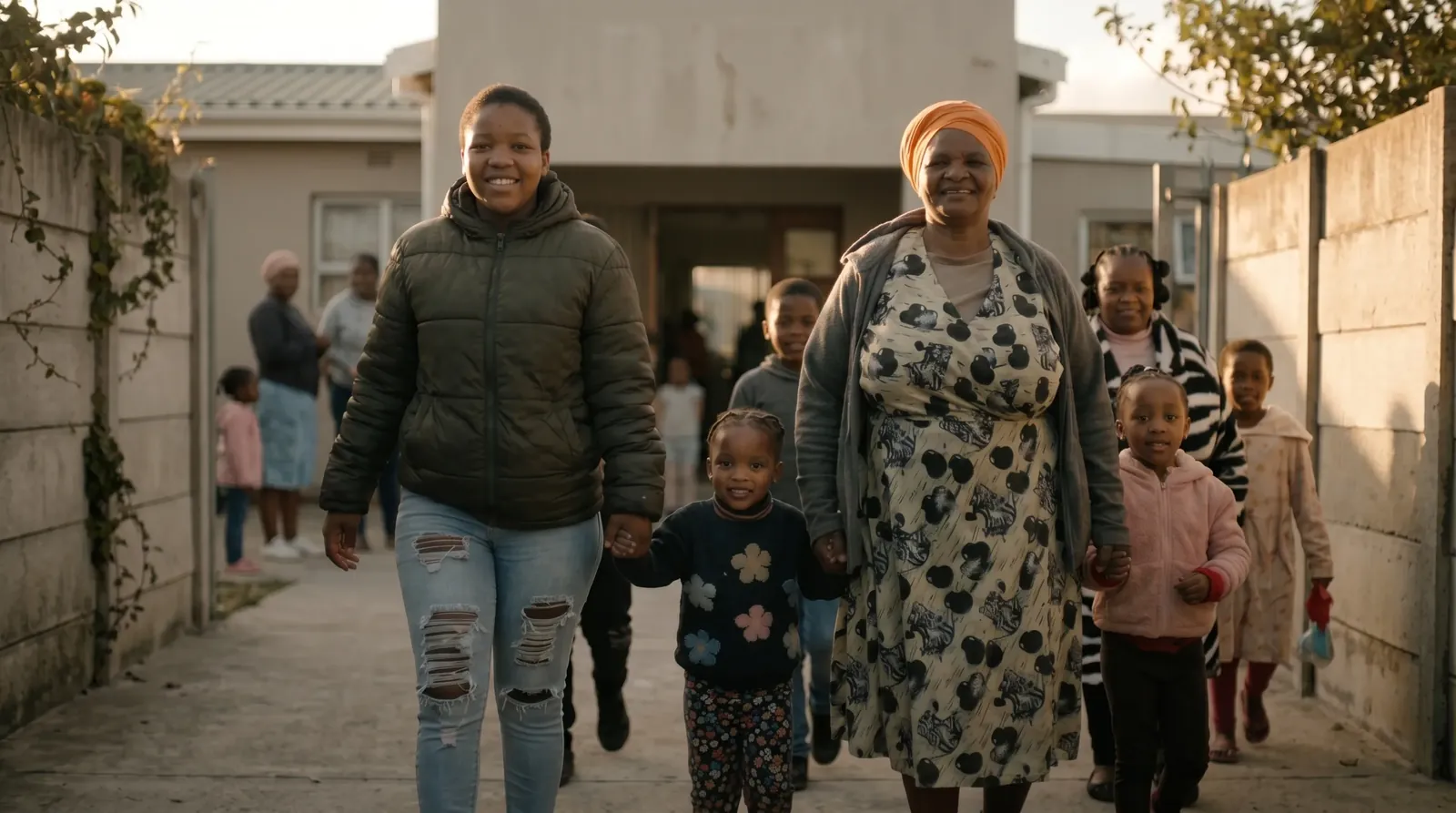
A good video can show what is possible. Capability grows when a skill is demonstrated, practised with guidance, given feedback and reflected on, again and again. Every Indaba pathway is built around that rhythm.





03How it connects
Guidance, Practice, People and Standards.
Guidance helps us understand. Deliberate practice builds skill. Local facilitators make new habits last. Quality standards keep all of it improving.
The pathways sit in the middle of that sequence. Each one stands on its own: a parent can start with Guide, a teacher with CoRE, an agency with Indaba Care. Nobody has to take every layer.
-
01
Guide
Everyday understanding, whenever it is needed.
-
02
Pathways
Structured practice that builds real skill.
-
03
Local facilitation
Trained people close to where the work happens.
-
04
Quality & growth
Shared standards, observation and review.
04What every pathway shares
From Information to Practice.
The question is not whether adults receive training. It is whether that training changes what happens with children the next morning.
 Concept
 Concept
05Who stands behind the pathways
Expertise You Can Trace.
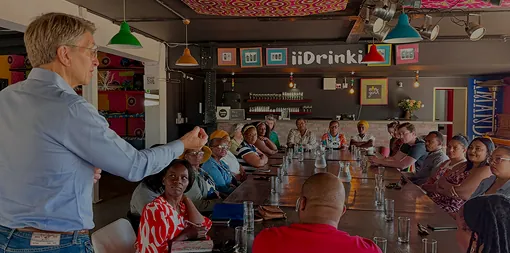
The pathways draw on the educators and trainers of the Indaba Institute, our centre of educational expertise, training and quality. CoRE, designed by Educateurs sans Frontières (EsF), is delivered with the Indaba Institute. Indaba Care is built on CARE, the Indaba Institute’s caregiver training programme, whose first cohorts are being arranged. The Institute publishes the programme details for both and handles admissions.
Indaba designs the experience around them: how people discover a pathway, practise between sessions and stay supported afterwards.
06Register interest
Tell Us Which Journey Interests You.
Choose a pathway in the form and we will write when there is news about it: an opening, a cohort near you, or an invitation to help test something new.
- Your name and email go to the Indaba team
- We write when there is news about this pathway
- No payment and no commitment
- Remove your details at any time
Interest registered
Thank you.
We have your details and will write to you when there is news about what you chose. You can ask us to remove them at any time.
For organisations
Bringing a Pathway to Your Team or Community?
Employers, agencies, NGOs and public partners can arrange cohorts, sponsor access and build local facilitator teams through Indaba Deploy.