The Indaba Method
Montessori-Rooted. Made Practical.
The Indaba Method brings Montessori principles and the wider field of child development into learning that adults can use the same day: at home, in a care setting or in a classroom.
01Our roots
Standing on What Has Proven Its Depth.
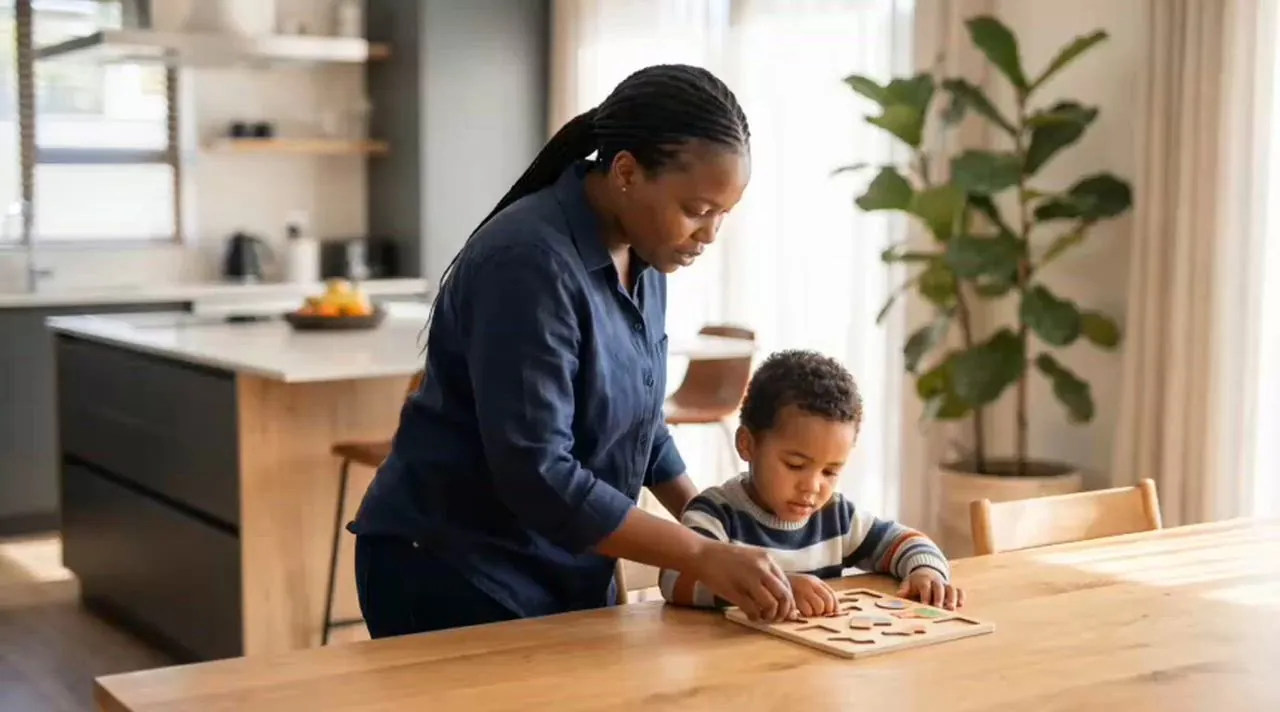
Indaba does not invent a new pedagogy. Our method is Montessori-informed: it keeps faith with respect for the child, the prepared environment and learning through purposeful activity, and it draws on developmental psychology, neuroscience and the wisdom of the communities we work with.
The result is not dogma, but practice: principles that hold across cultures, languages and settings, applied with care to the realities of each one.
- Who it serves
- Parents, caregivers, teachers and the facilitators who support them.
- Where it is used
- Indaba Guide, the learning Pathways and Deploy programmes. Each product page shows its current status.
- Where it comes from
- Montessori principles, the wider field of child development, and practice in South African communities.
- Where to study the underlying practice
- The Indaba Institute: Association Montessori Internationale (AMI) diploma and certificate courses, Community Rooted Education (CoRE) and CARE caregiver training. AMI programmes follow AMI’s own curriculum.
02The eight principles
Eight Principles. One Way of Seeing the Child.
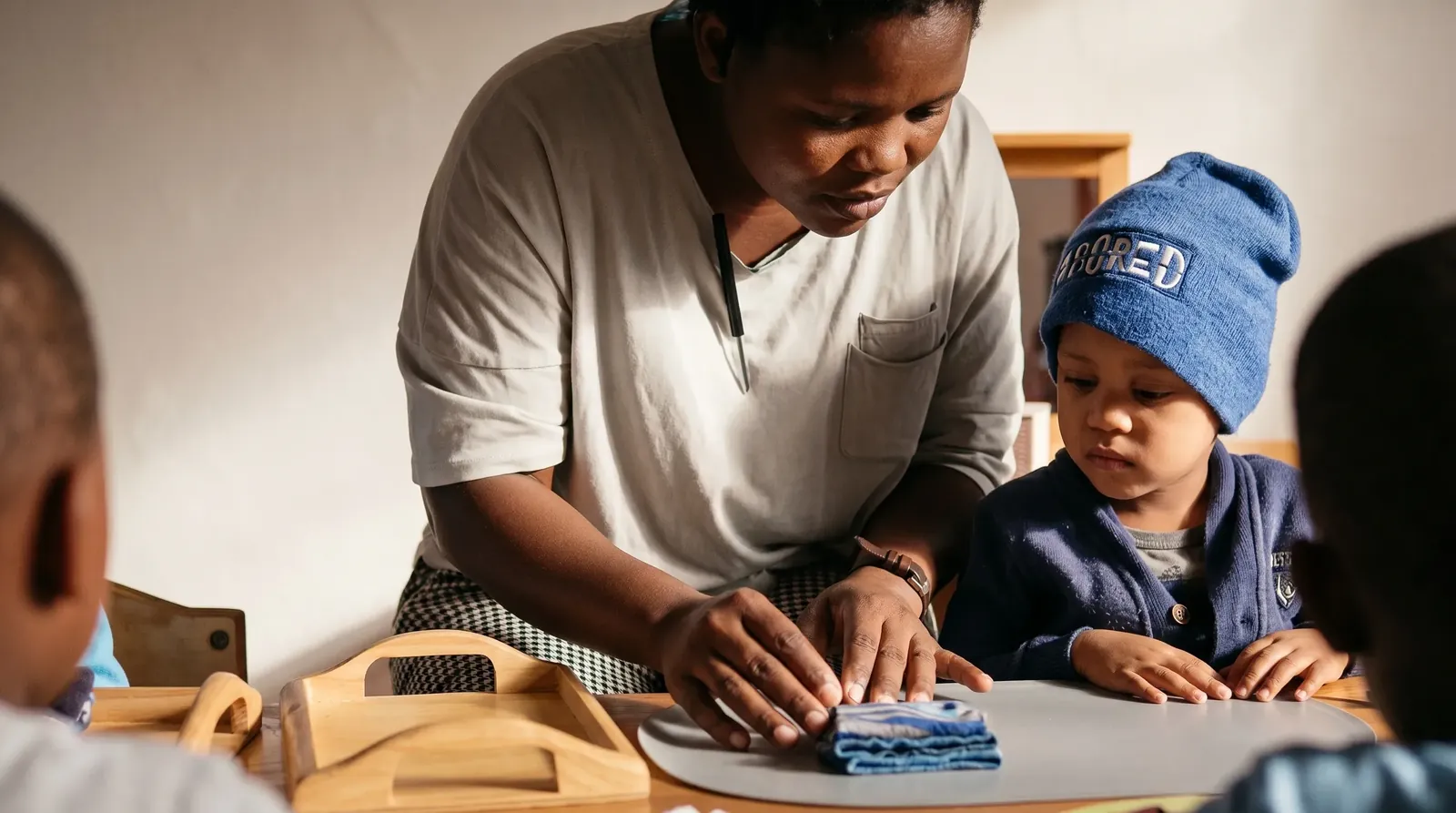
Indaba experiences, from a Guide collection to a facilitator’s training, are designed around the same eight principles.
-
01
Respect for the Child
Every child arrives with unique gifts, potential and dignity.
When children feel seen, heard and respected, they find the confidence and security to explore the world and form healthy relationships.
-
02
The Prepared Adult
Children become what they experience.
The strongest influence in a child’s life is not a curriculum but the adults around them. Calm, patience, self-awareness and intention can be learned.
-
03
Independence
“Help me do it myself.”
Children flourish when they are trusted with meaningful responsibilities. Independence is not taught; it is built through experience.
-
04
The Prepared Environment
The environment becomes the silent teacher.
Ordered, accessible and beautiful surroundings invite concentration, exploration and independence. Every detail says something to the child.
-
05
Observation
Before we guide, we must learn to see.
Observing a child’s interests, strengths and needs lets adults respond with understanding rather than assumption.
-
06
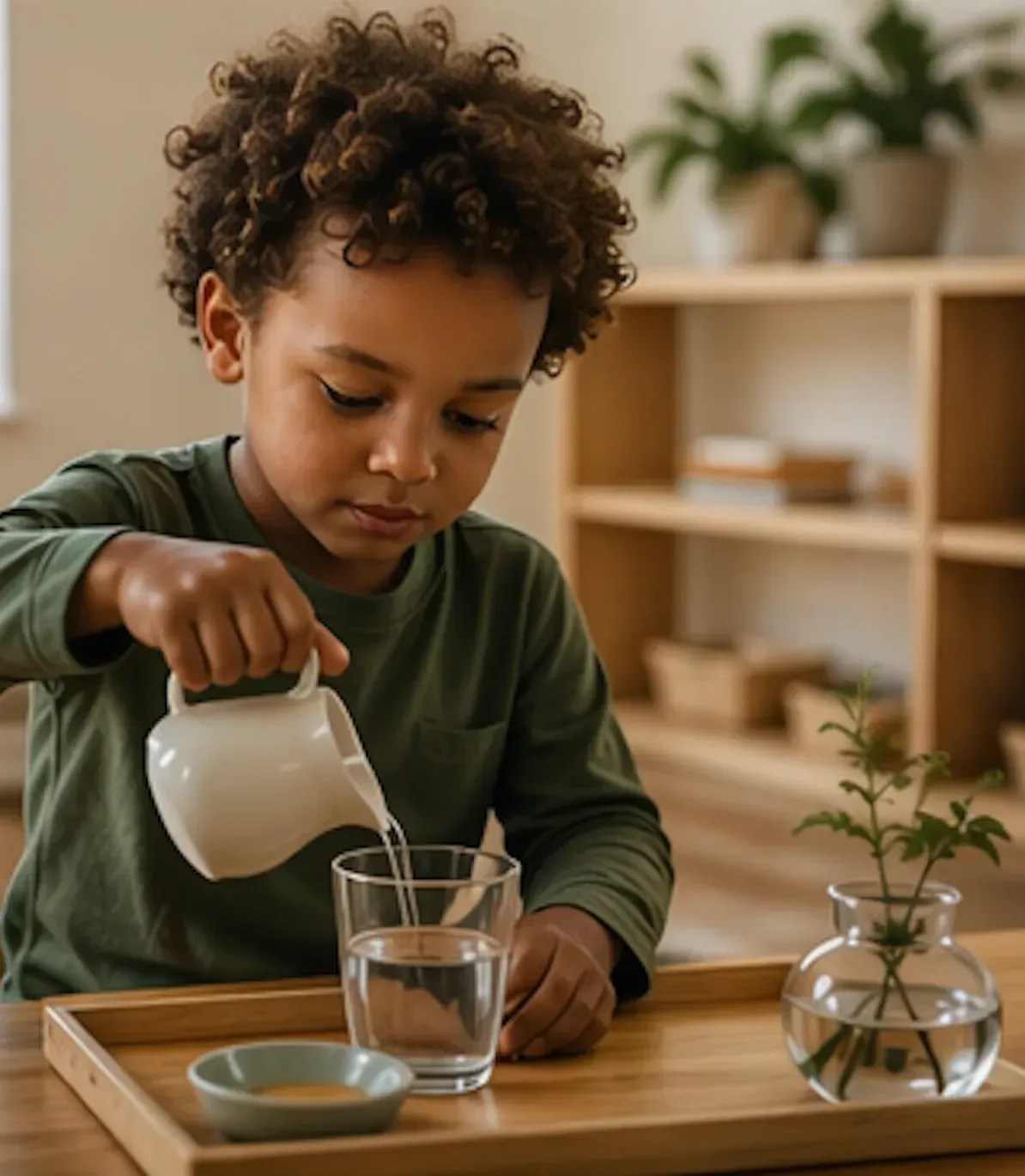
Practical Life
Real life is the curriculum.
Preparing food, caring for a space, getting dressed, helping others: everyday tasks like these build concentration, competence and a sense of contribution.
-
07
Grace & Courtesy
The foundations of human connection.
Empathy, respect, patience and consideration are learned through everyday interactions, and they shape relationships for life.
-
08
Freedom within Limits
Children need both roots and wings.
Freedom lets children explore and discover. Clear, consistent boundaries give them the safety they need to develop genuine self-discipline.
03How learning is designed
Designed for What Adults Actually Do.
A good learning experience changes what an adult notices, understands and does. Each Indaba experience follows the same rhythm.
-
01
Learn
Short, clear explanations of one idea at a time.
-
02
Apply
Put it into practice the same day, in a real setting.
-
03
Observe
Watch what the child does in response: evidence before opinion.
-
04
Reflect
Discuss with peers, a mentor or a facilitator, and refine.
04Universal in principle
Universal in Principle. Local in Practice.
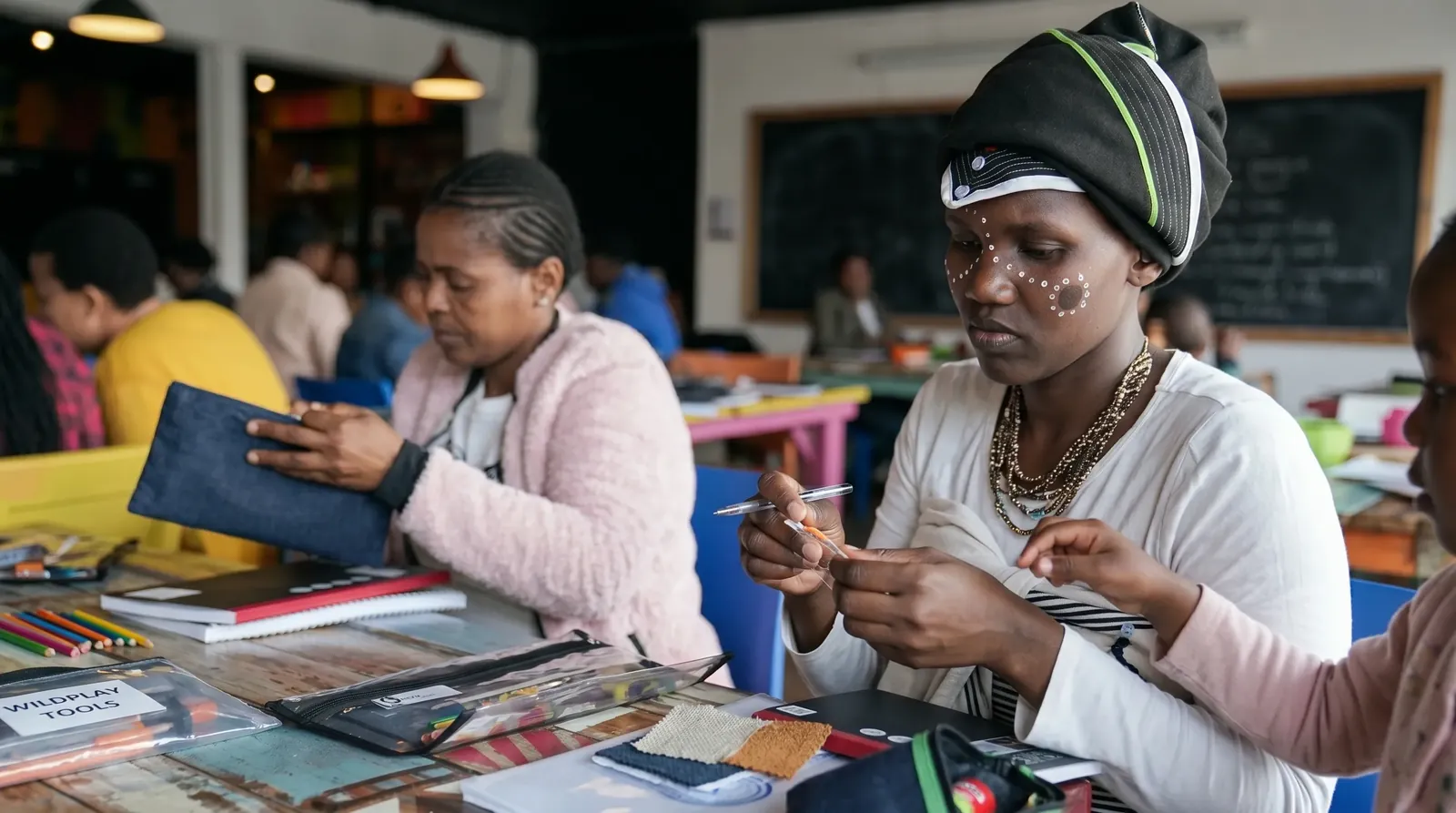
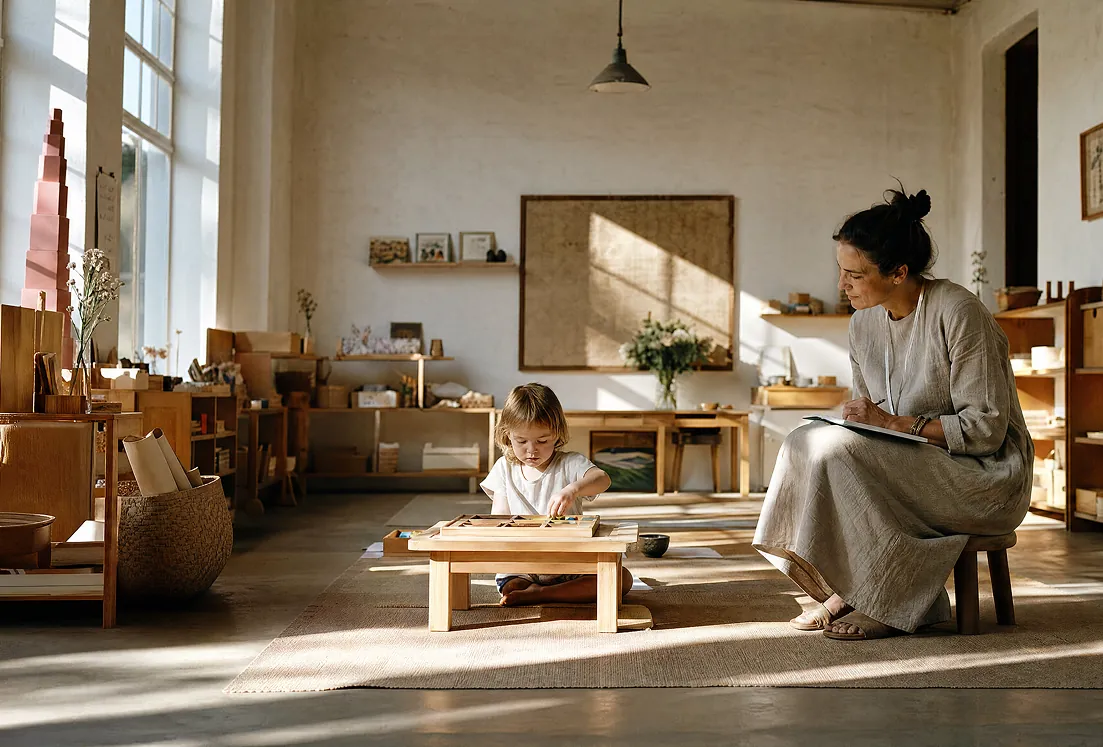
Principles travel; materials and routines must fit. CoRE, designed by Educateurs sans Frontières (EsF), is delivered with the Indaba Institute; it helps practitioners prepare supportive environments and make learning materials from local resources.
In the 2021 Kayamandi course, CoRE sessions were held in English and isiXhosa, because pre-training questionnaires showed the need for training in local languages. A second phase added basic literacy in isiXhosa, Afrikaans and English.
Montessori and AMI programme names identify educational traditions and pathways. They do not imply that any Montessori organisation endorses Indaba.
See it in practice
See the Method at Work.
Find the experience designed for you, or meet the Institute where the method is taught in depth.