
01
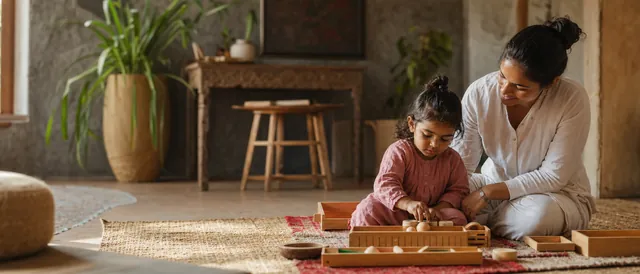
Understanding your child
How children naturally grow, learn and develop in the first six years.
 Concept
In development · register interest
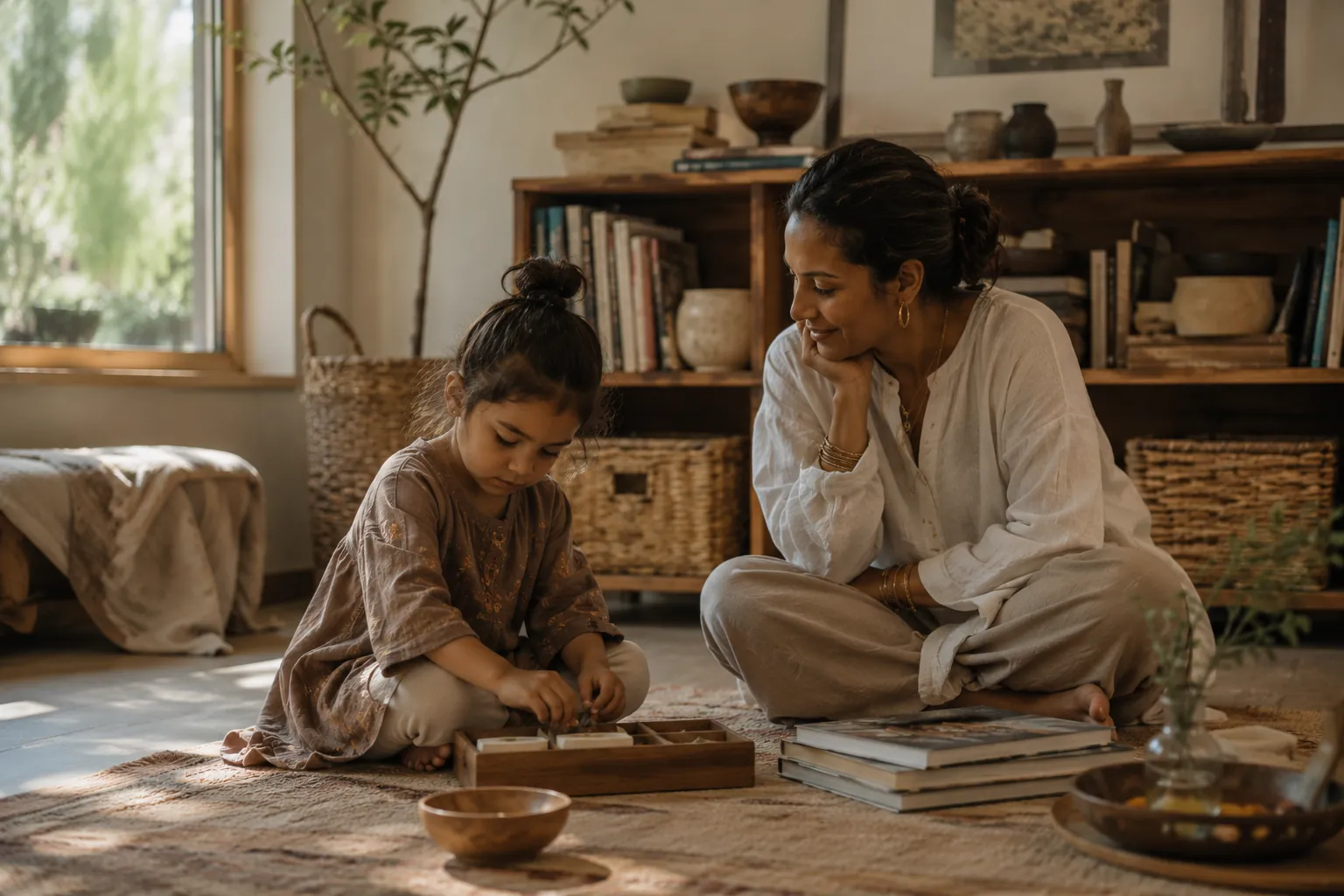
Practical knowledge and experiences that help parents prepare environments, understand development and find confidence in everyday moments.
01Examples
Illustrative moments of the kind the pathway is designed around, shown as they might appear in it. Choose a moment; the times are illustrative.
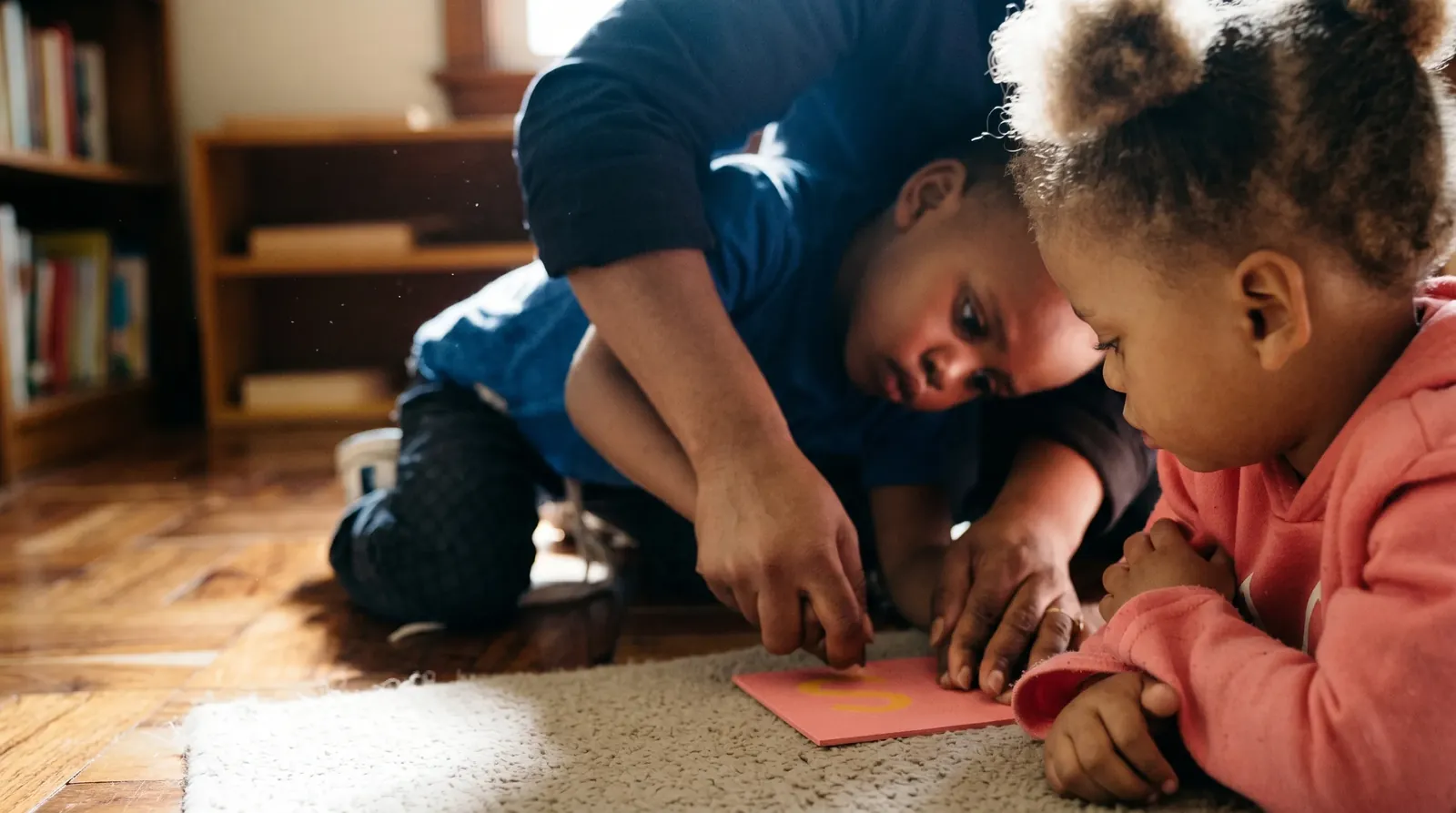
A basket of napkins and a low table at your child’s height, before breakfast. Folding becomes concentration and order; a crooked fold is part of learning.
Two choices of clothes laid out the night before. Fewer battles, more ownership.
Watch without stepping in, and notice what holds your child’s attention.
Washing vegetables, tearing leaves, laying the table: real work that makes a child part of the family meal.
Name the feeling, stay close and wait for calm before solving anything.
A few chosen activities, each in its place, that your child can take out and put back.
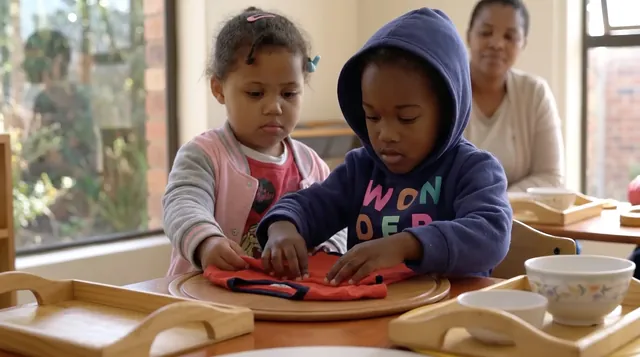
07:10 · Practical life
Folding the napkins
A basket of napkins and a low table at your child’s height, before breakfast. Folding becomes concentration and order; a crooked fold is part of learning.
Try this
Put the napkins in a basket where your child can reach them.
Notice
What happens when a fold goes wrong?
02Family life
Becoming a parent is one of life’s greatest responsibilities, and few of us are prepared for it. Not because we lack love, but because the early years move fast and the advice never stops. The pathway works towards a calmer, more confident everyday life.
For your child: confidence, curiosity, independence and a love of learning. For you: more clarity, better decisions and less guilt. For the family: stronger relationships, healthy routines and values you live by together.
03Modules and structure
The planned structure follows six themes. Each is being built from short lessons, a demonstration, something to try at home and a moment of reflection. Themes and their order may change as the pathway is tested.
01
How children naturally grow, learn and develop in the first six years.
02
Spaces that encourage confidence, order and independence.
03
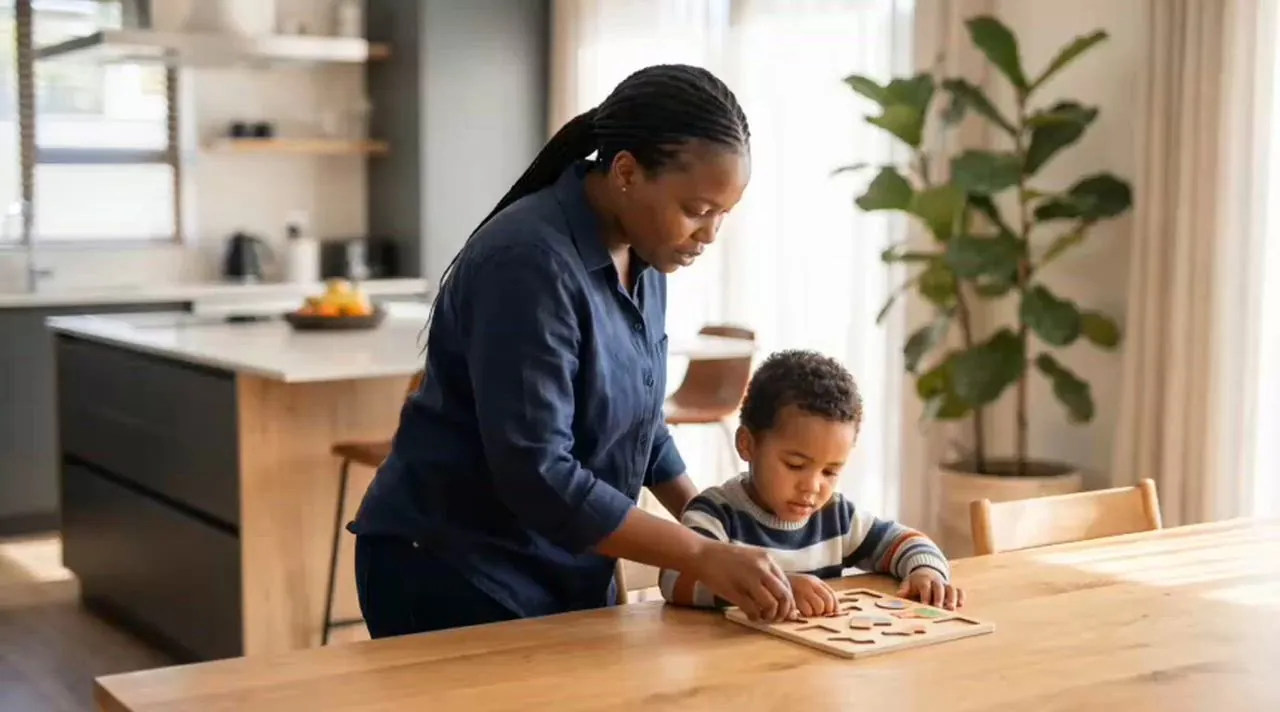
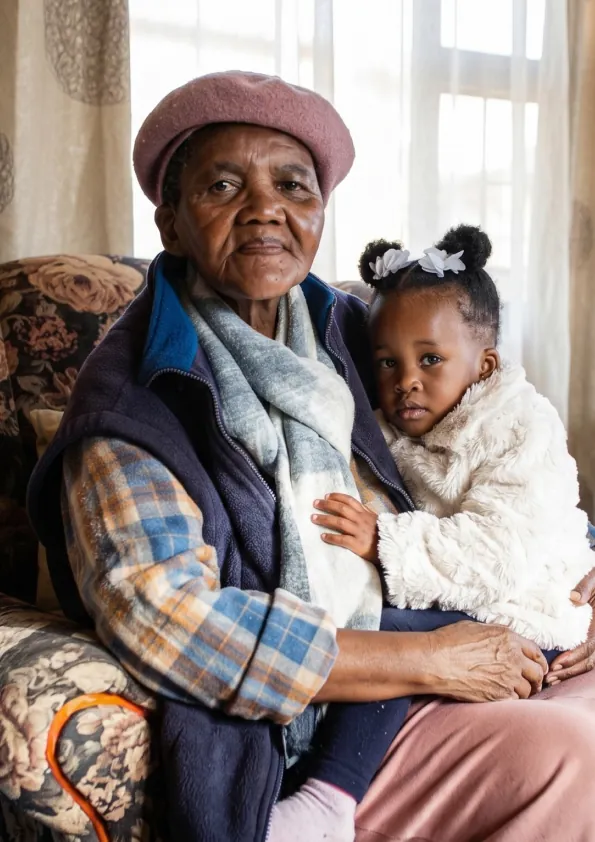
Deeper connection and trust between parents, children and the adults who share their care.
04
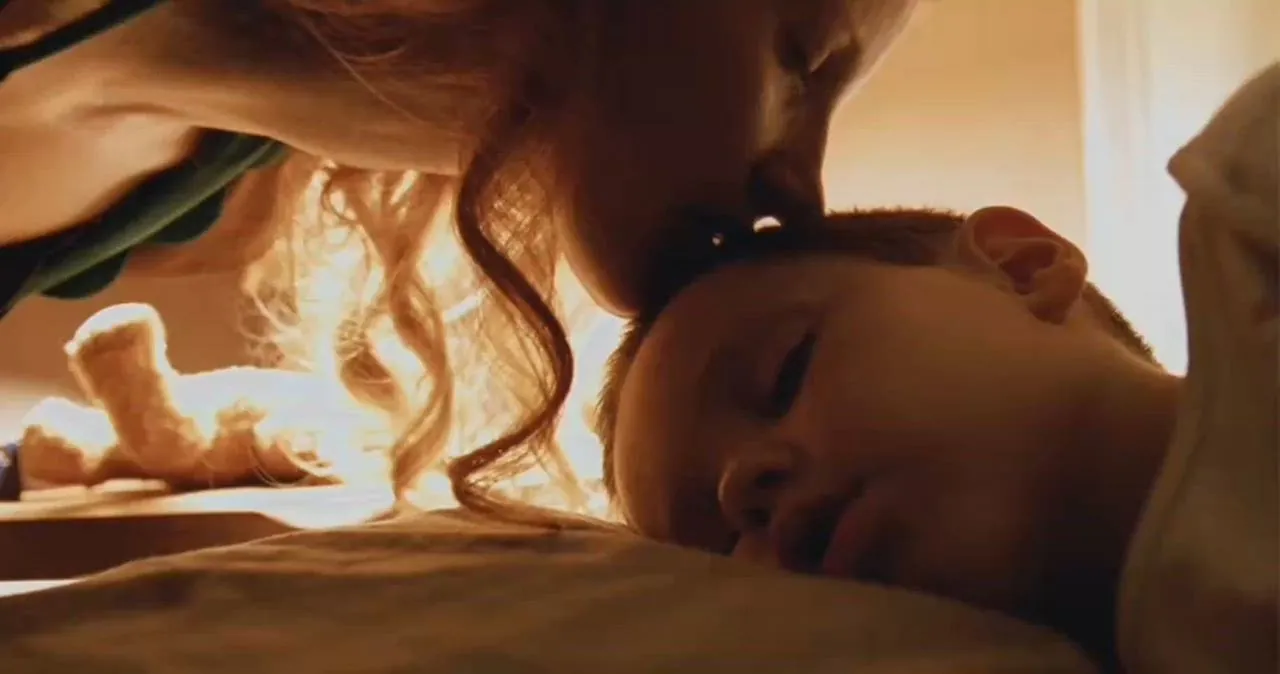
Rhythms of food, sleep, play and rest that support wellbeing.
05
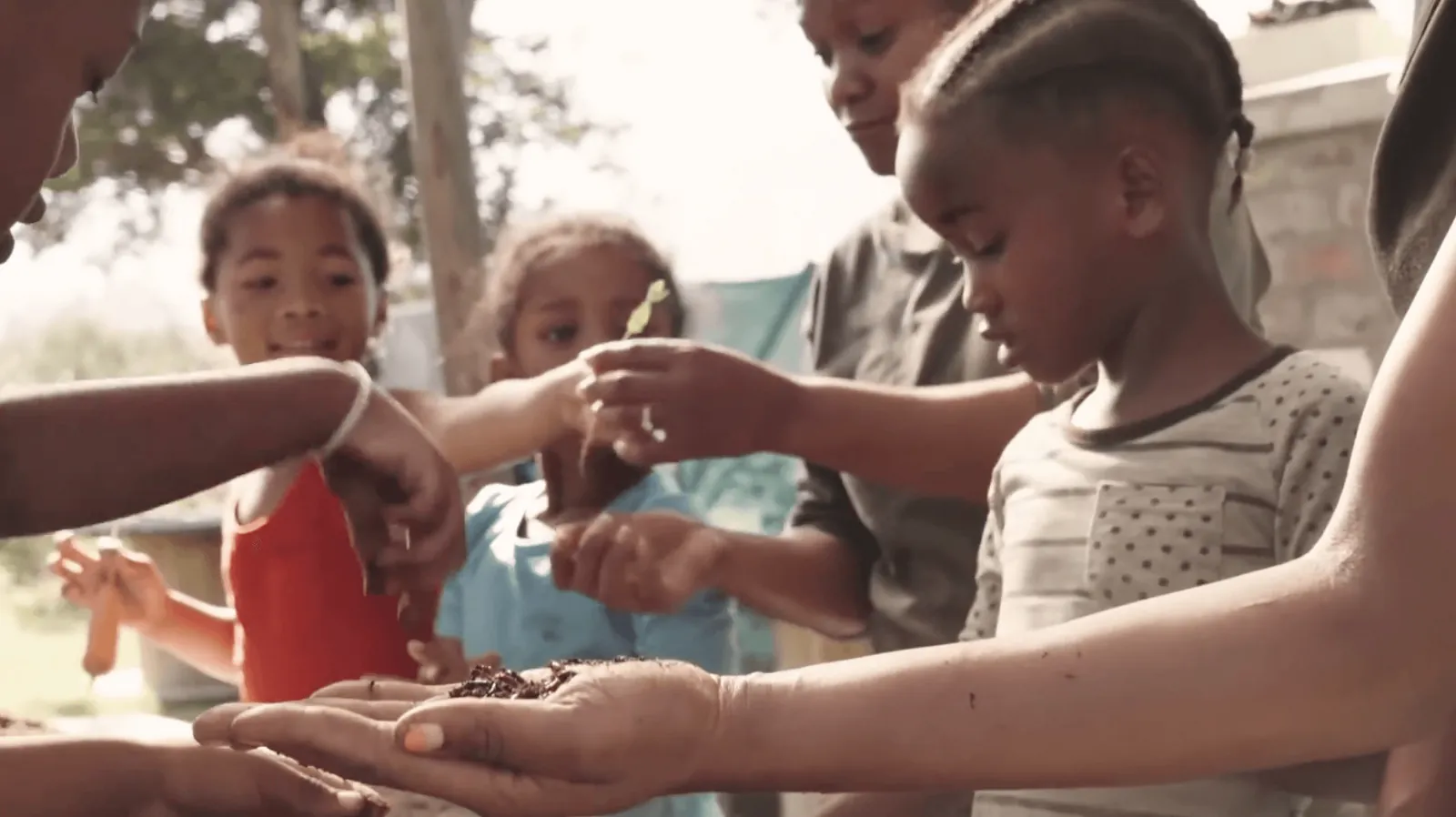
Helping children understand feelings and navigate relationships.
06
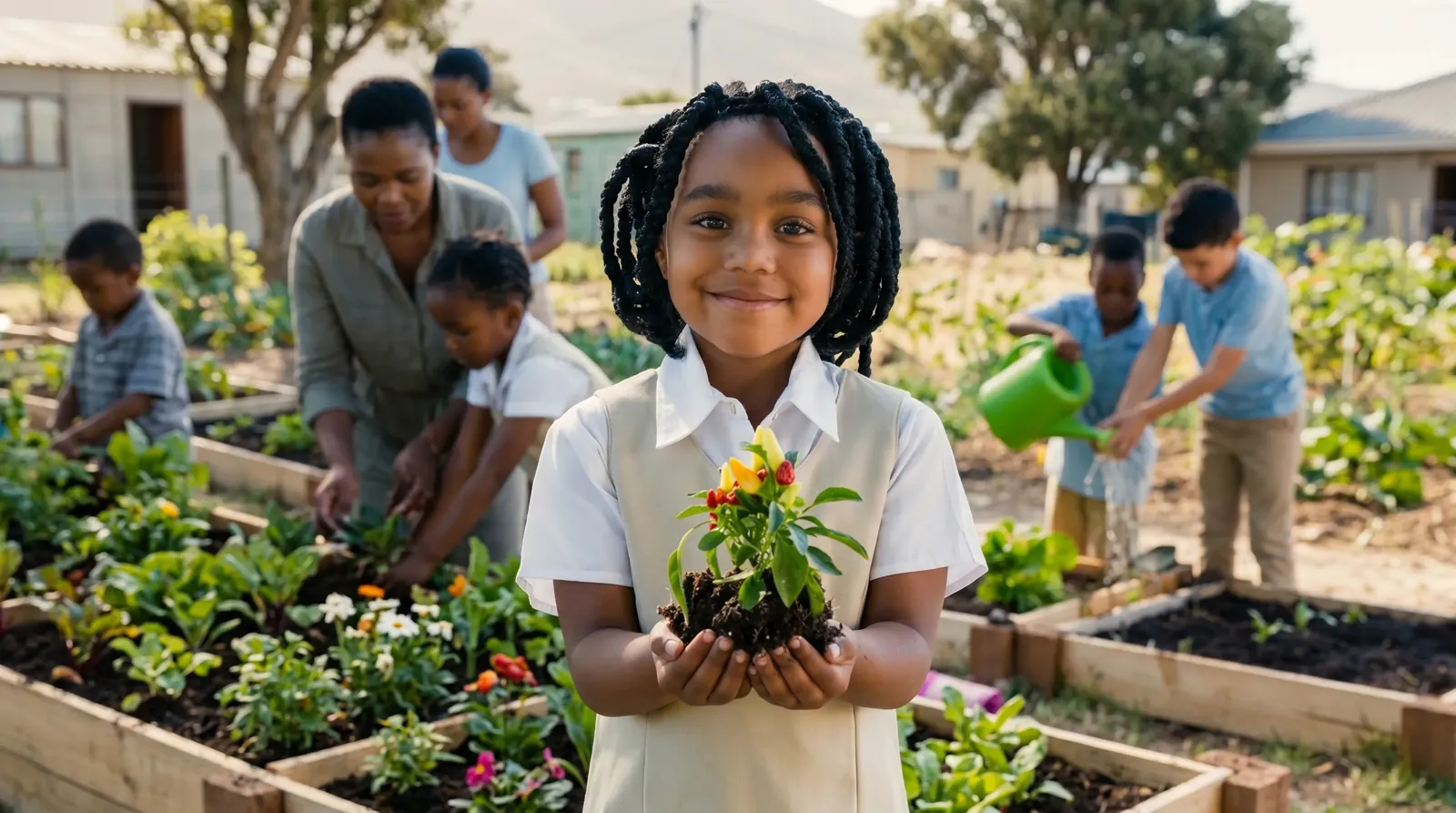
A family culture rooted in what matters most to you.
04The first six years
What happens in these years influences everything that follows. The pathway follows your child through each stage.
01
Trust, attachment, love and security.
02
Movement, language, exploration, boundaries and independence.
03
Character, responsibility, confidence, curiosity and a love of learning.
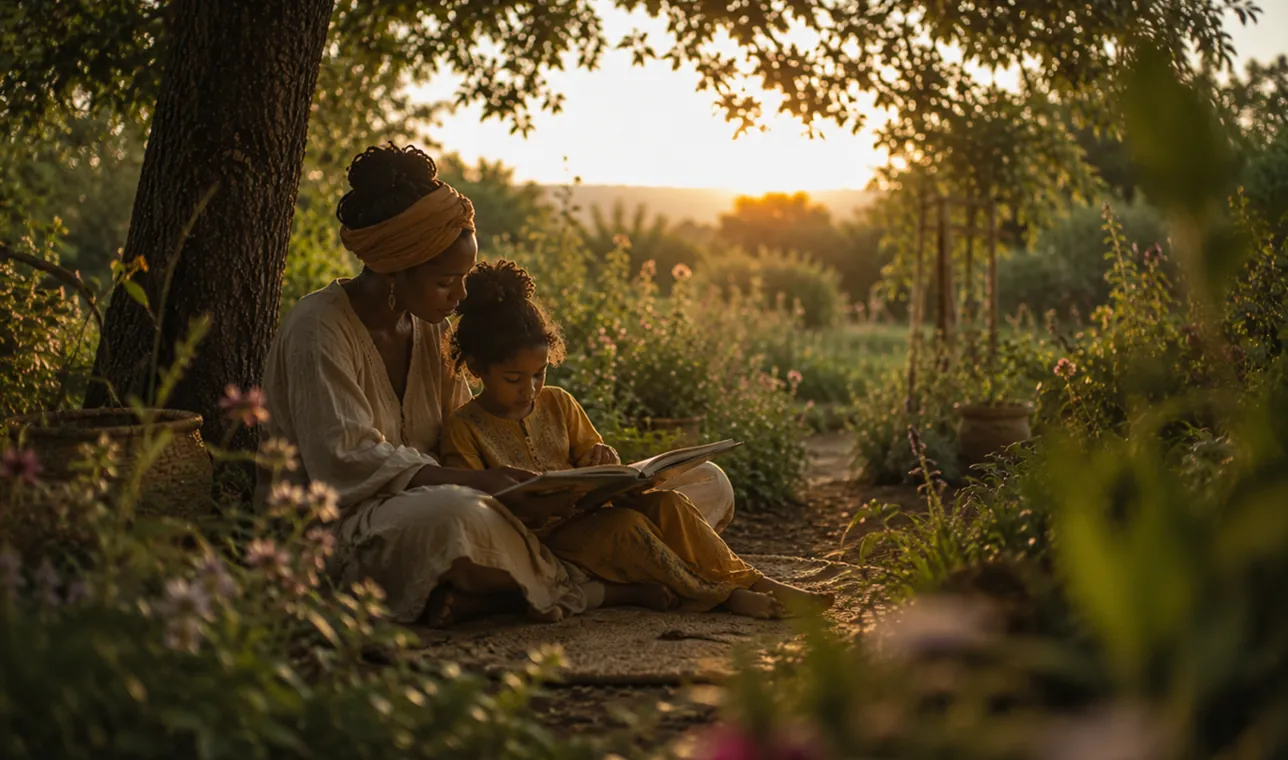
The first six years shape a lifetime. Nobody should have to navigate them alone.
05Format and support
Parents learn best in the middle of real life, not apart from it. The pathway is designed in short pieces you can take in between everything else, with one practical thing to try each time.
When a question comes up between modules, Indaba Guide is designed to be there for it.
Planned formats. Delivery, support and any live elements will be confirmed before the pathway opens.
Theme 02 of 06
Creating a flourishing home.
This theme
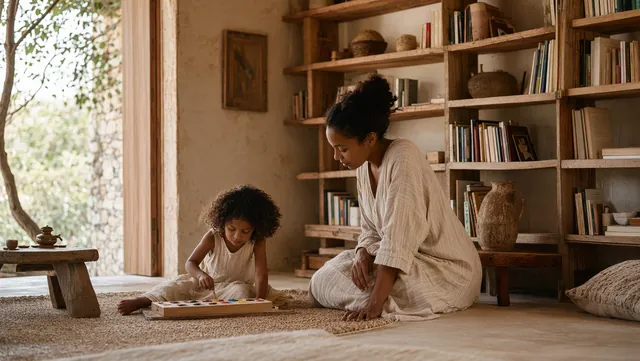
This week One low shelf: a few chosen activities, each in its place.
06Families working with a nanny
In many families, a nanny spends more waking hours with a child than the parents do. The quality of that relationship matters enormously.
Indaba Care is professional learning for nannies and caregivers, rooted in child development and Montessori-informed practice, so that families and caregivers can work towards the same goal. It is built on CARE, the Indaba Institute’s caregiver training programme, and its first cohorts are being arranged.
07Accessibility
Good guidance for the early years should not depend on income or postcode. The pathway is being designed with that in mind, and we will say clearly what is included when it opens.
08Questions
Not yet. It is in development. Register interest and we will write when it opens or when there is a chance to help test it.
Children from birth to six, with themes for each stage of those years.
No. The activities are designed around what most homes already have: a jug, a cloth, a low shelf, real tasks in the kitchen.
Guide is designed to answer the question in front of you today. The pathway is a structured journey through six themes, built to change habits over time. They are designed to work together.
Prices and any sponsored places will be confirmed before the pathway opens. Registering interest is free.
No. The Parents Pathway is learning for family life, not a certificate. Caregivers looking for professional learning should look at Indaba Care.

09At a glance
10Register interest
We want families to help shape the Parents Pathway. Register interest to hear when it opens, and to be considered for early testing.
Interest registered
Thank you.
We have your details and will write to you when there is news about what you chose. You can ask us to remove them at any time.
While you wait
Indaba Guide is being designed for the everyday questions of family life. Join its waitlist to hear first.