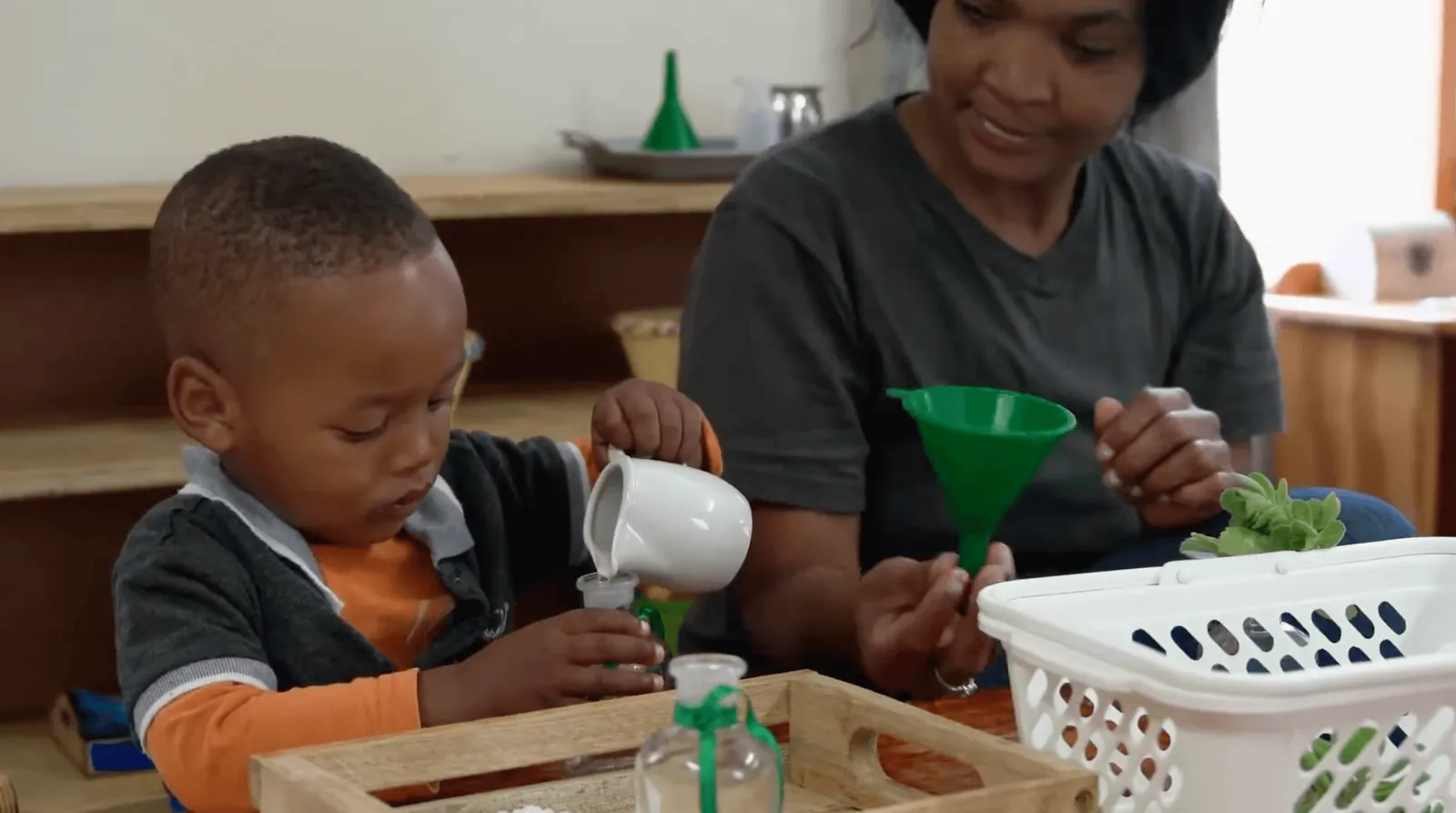
Adult and child using practical activity materials

Delivered with partners

CoRECommunity Rooted Education · for teachersChange the Classroom. Change What Becomes Possible.

Community-rooted professional learning that supports educators to create calm, purposeful and developmentally rich environments.

Register InterestView Training

01Before and after

From Chaos to Concentration.

Many early childhood teachers carry enormous responsibility with limited training, few resources and little professional support. CoRE starts with the classroom as it is.

These descriptions are drawn from facilitator observations in CoRE centres. They describe changes in practice, not measured outcomes for children.

Often before

  1. Materials in a closed cupboard
  2. Tables pushed together
  3. Nothing within a child’s reach

What educators work towards

  1. Practical life
  2. Sensorial
  3. Language
  4. Work tables
  5. Floor mats
  6. Reading corner
IllustrationA classroom prepared with what is available: order, materials within a child’s reach, spaces for different kinds of work. An illustration, not a plan of a particular centre.
Often beforeWhat educators work towards
Noise and conflict fill the dayCalmer, more ordered and purposeful rooms
Broken toys, out of reachMaterials within reach that children choose for themselves
Commands from the front of the roomTeachers at the child’s level, listening and guiding
Waiting for resources to arriveSimple local materials made into learning tools
A jobA role of respect in the community
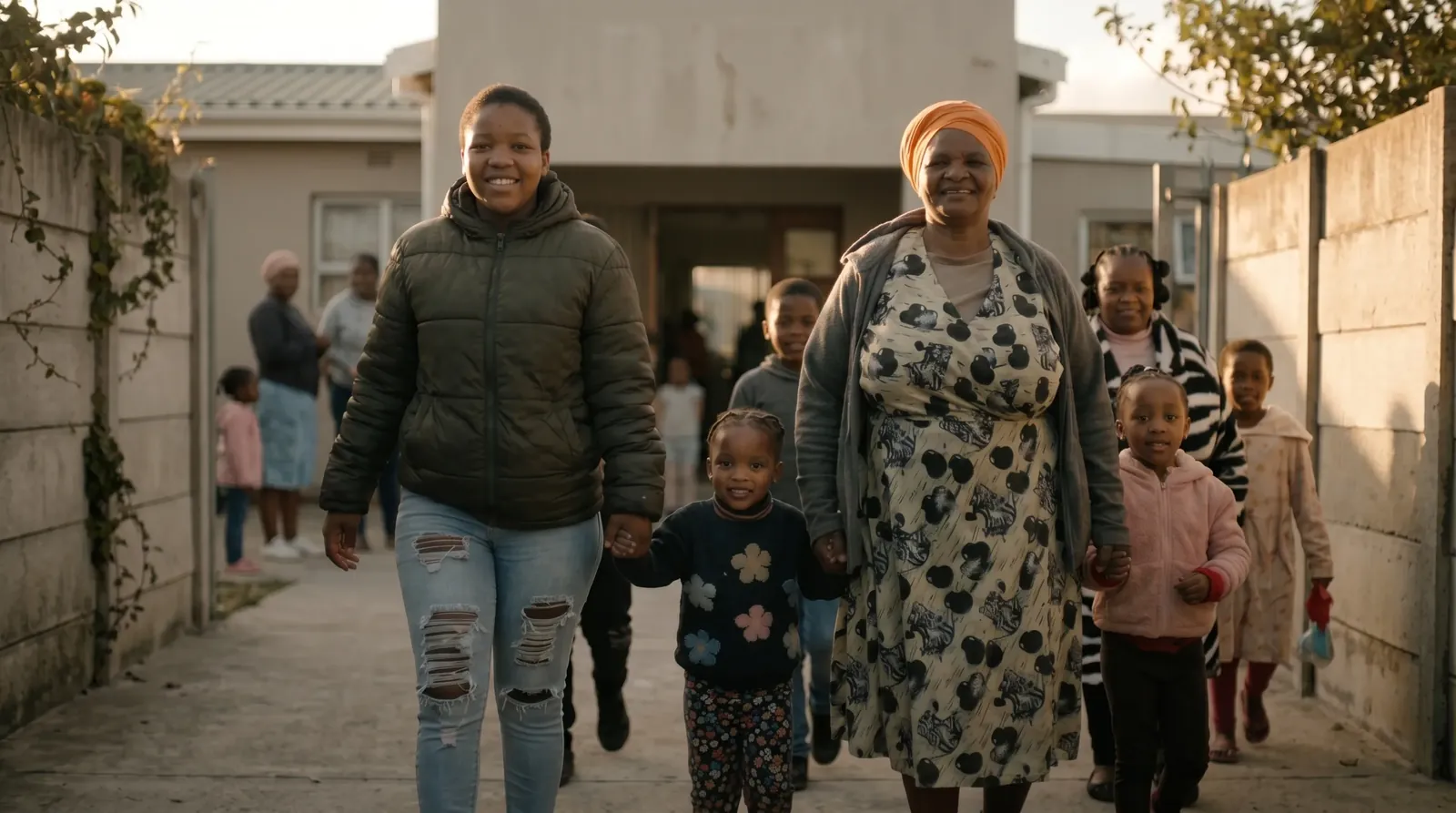
  • Adults and children walking along a street
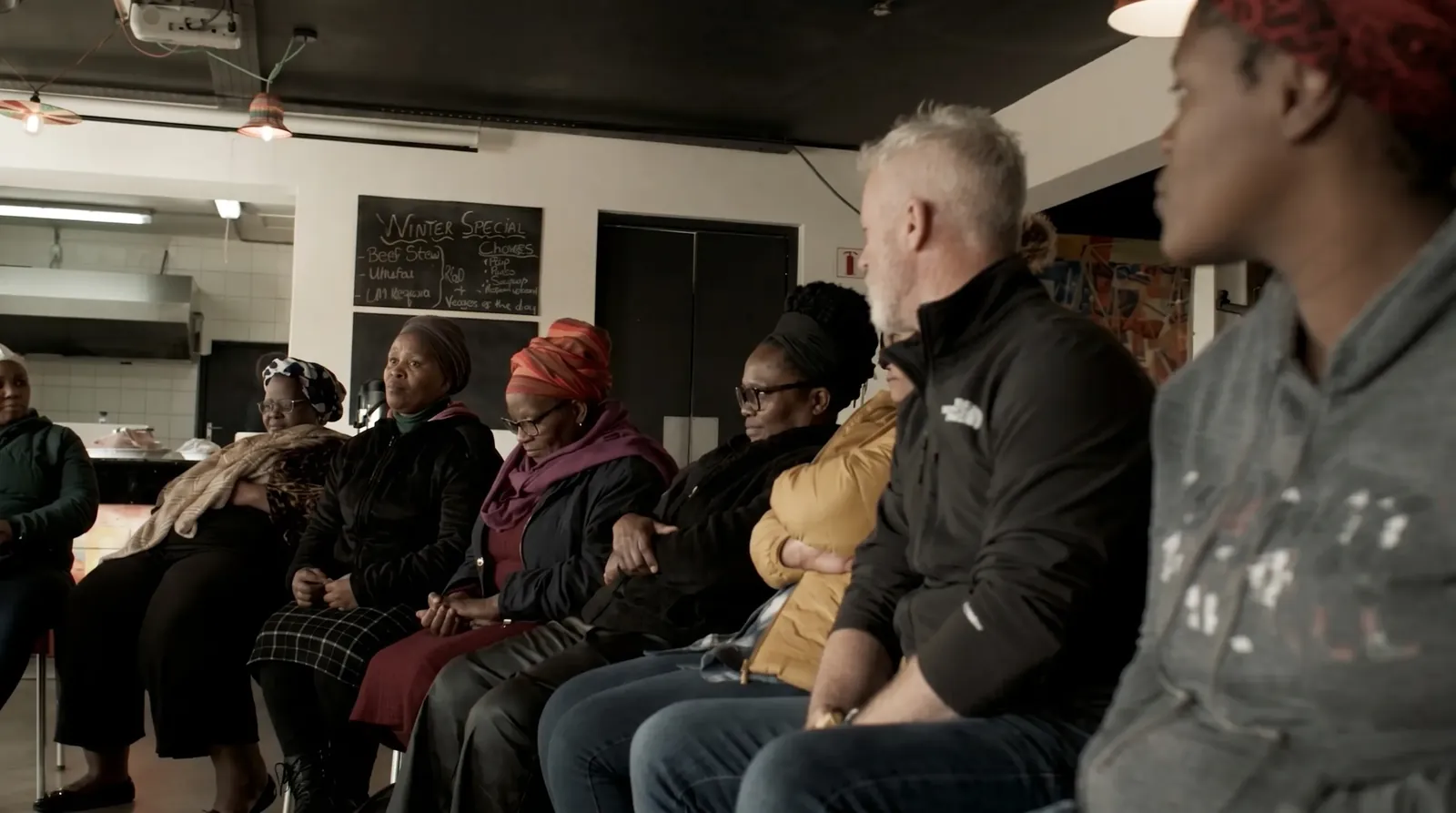
  • Adults seated together in an indoor session
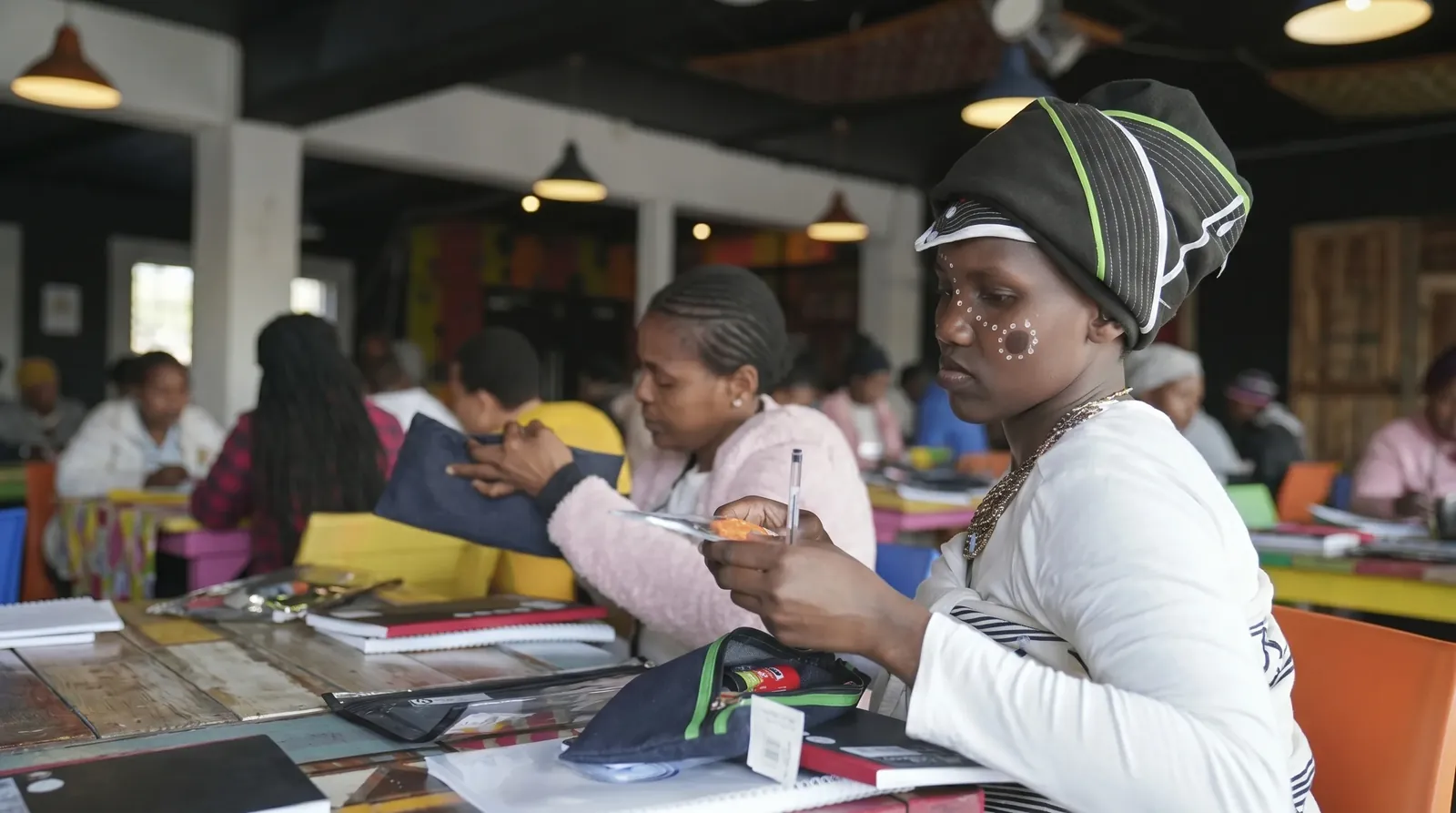
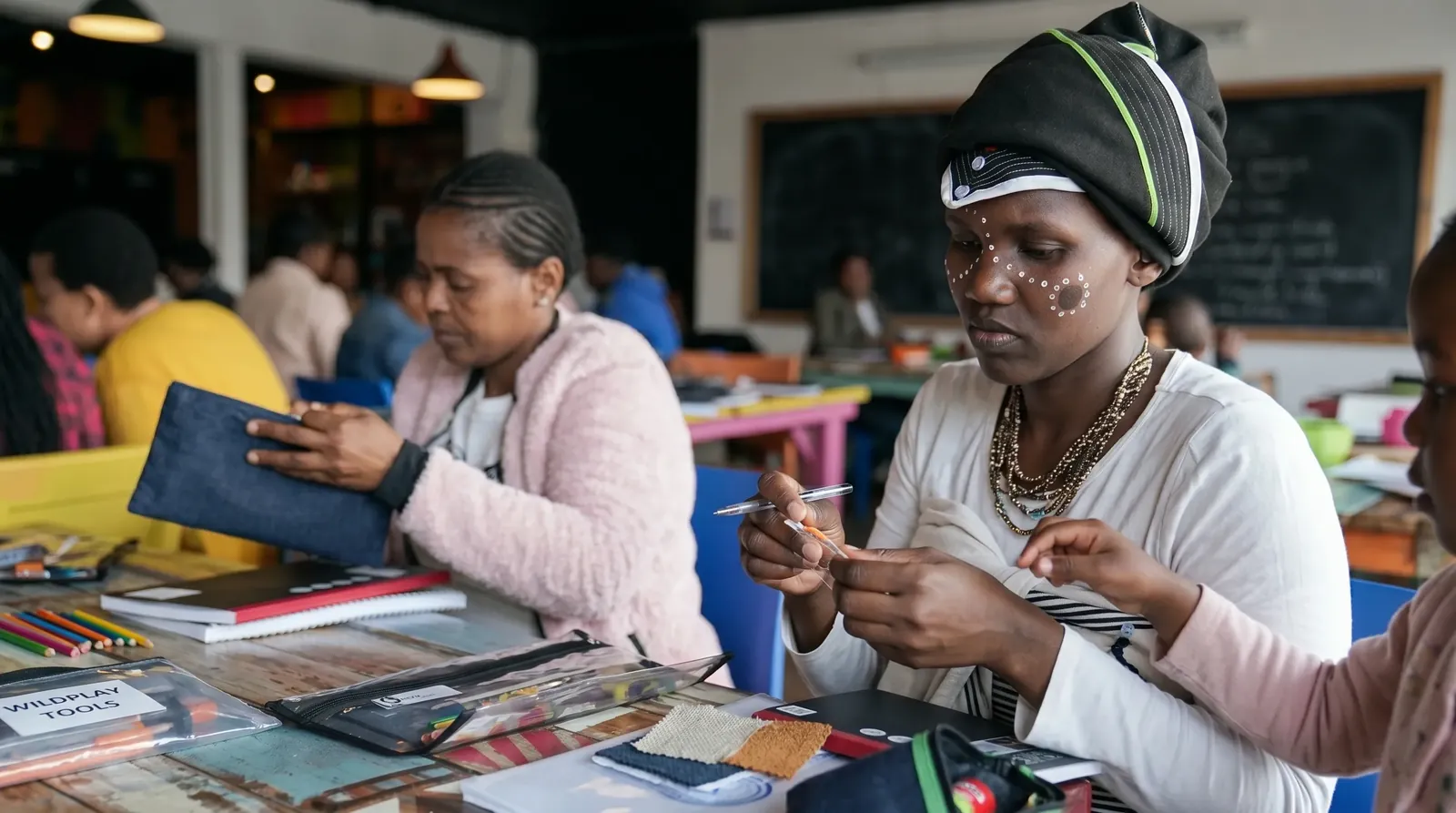
  • Adults working with learning materials in a busy workshop
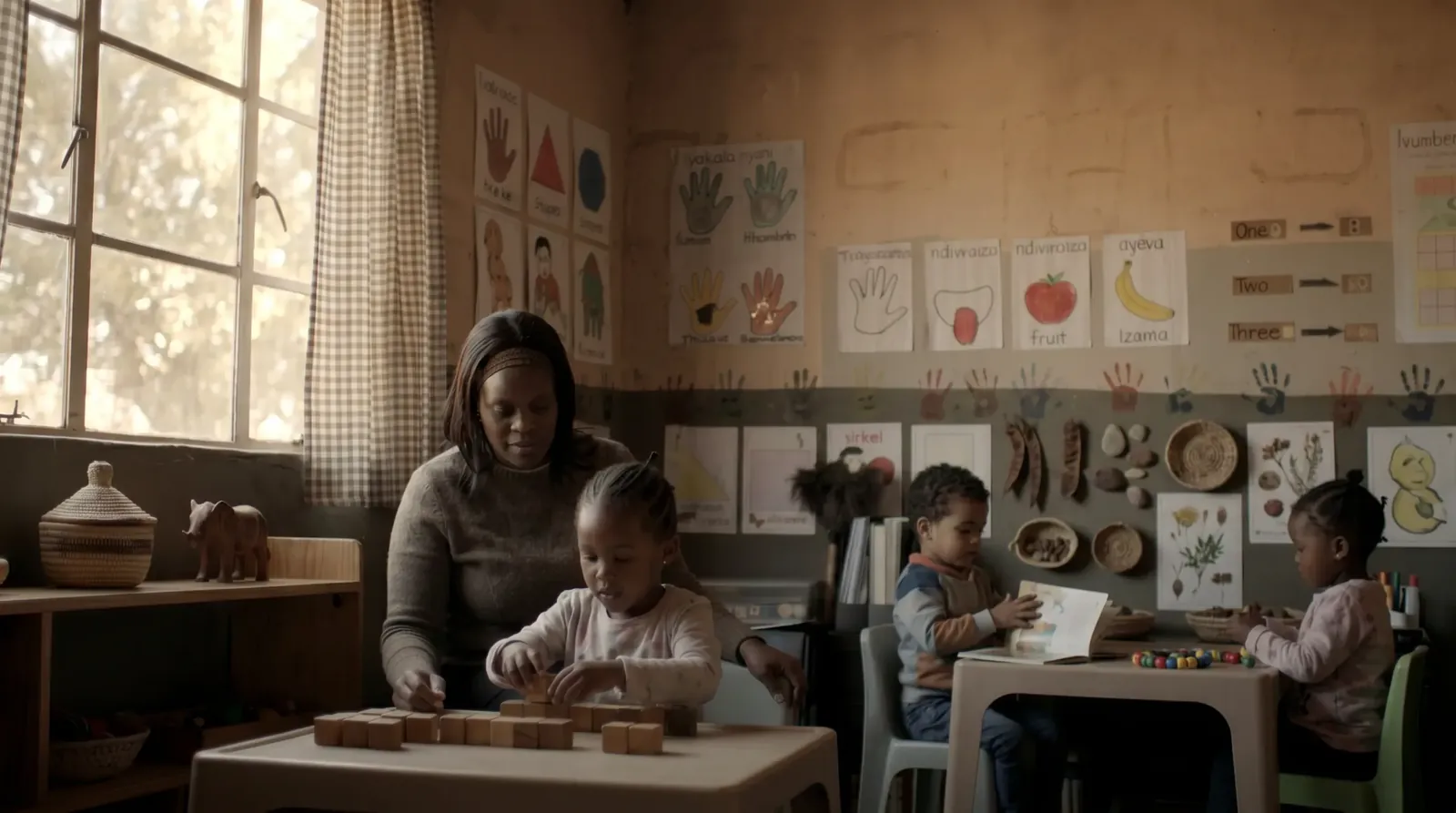
  • Concept illustration: Adult and children seated in a classroom
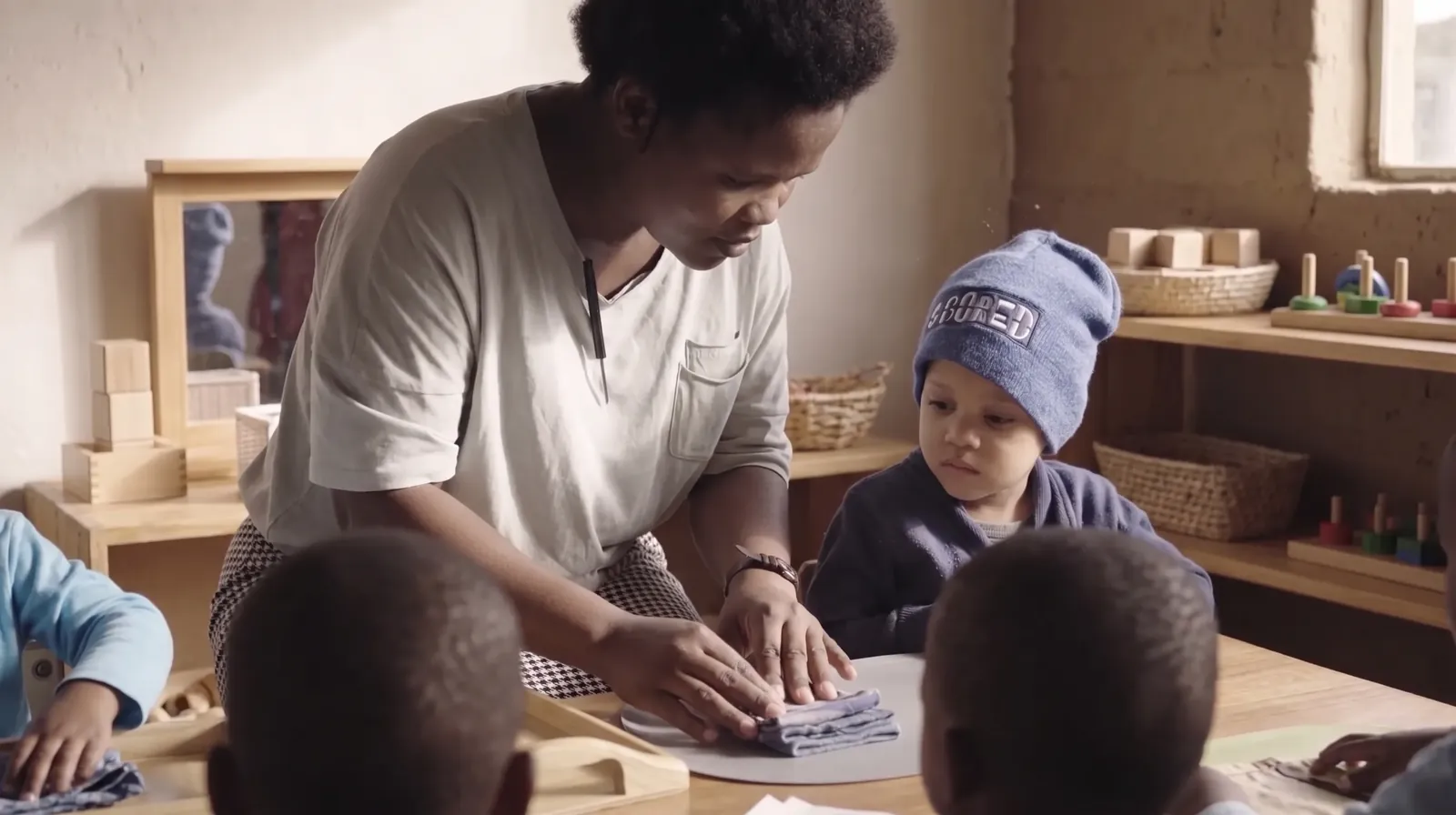
  • Concept illustration: Adult demonstrating cloth folding to young children at a table
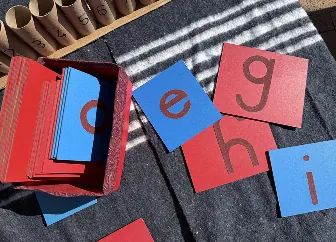
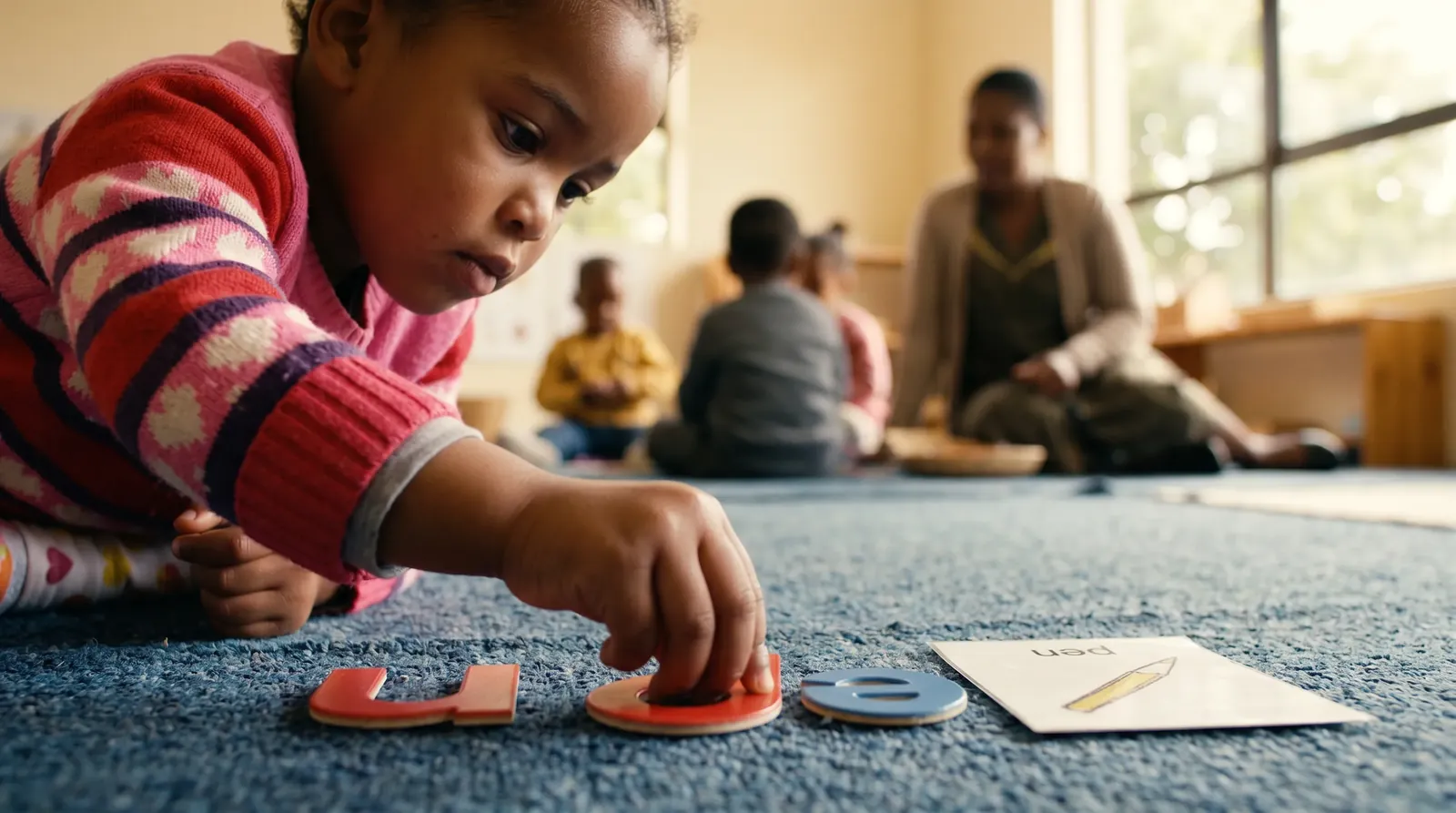
  • Coloured tactile alphabet cards
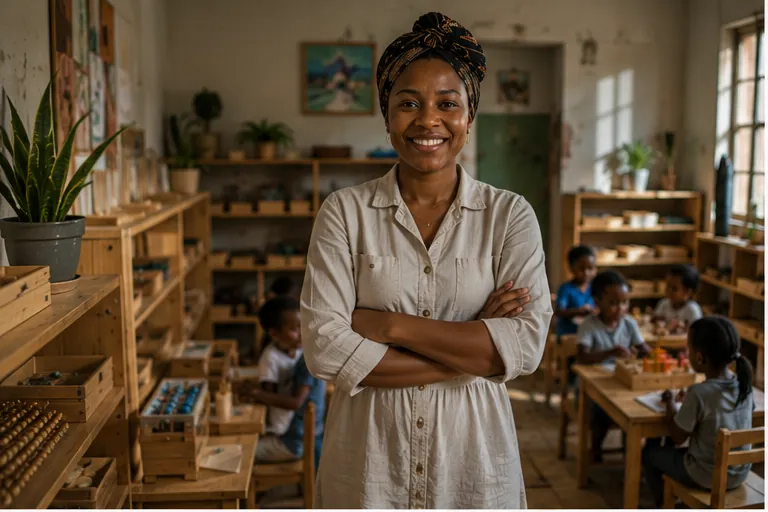
  • Concept illustration: Smiling educator with crossed arms in a Montessori classroom
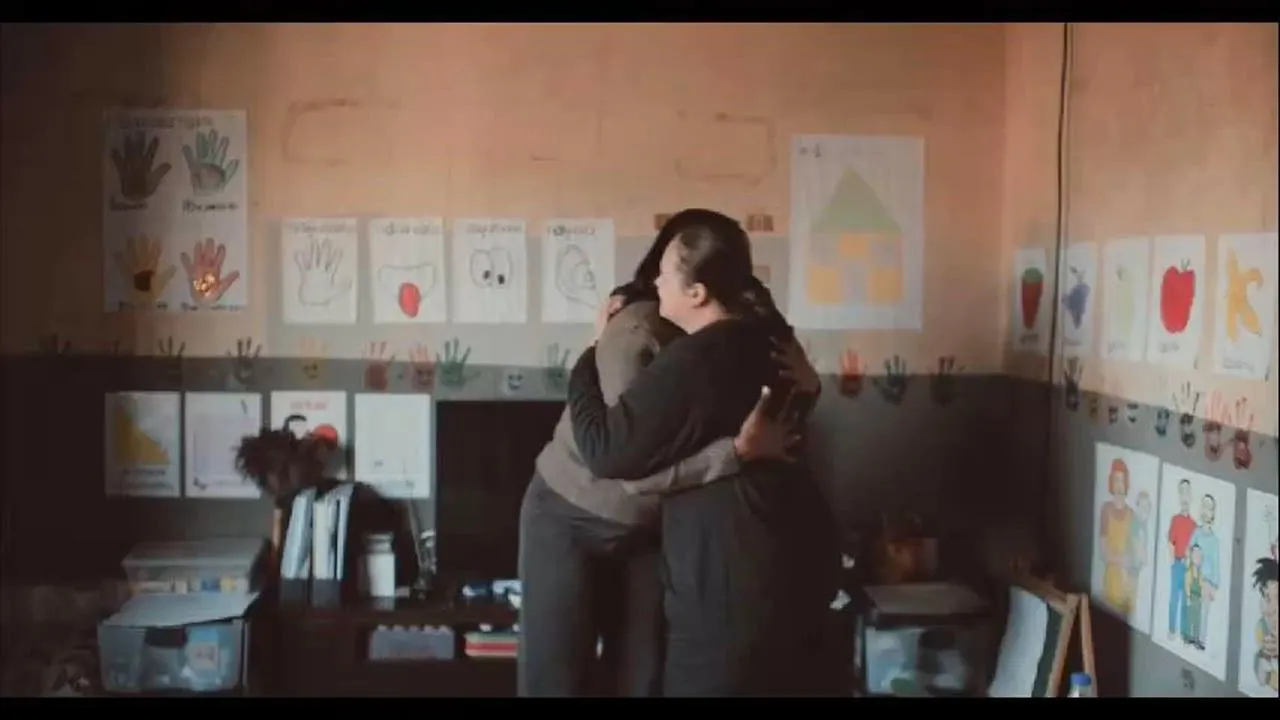
  • Two adults embracing in a classroom hung with children's art

02Montessori-informed method

Community Rooted. Globally Informed.

CoRE combines Montessori principles with local knowledge, culture and resources. Rather than importing solutions, it helps communities strengthen what they already have. It was designed by EsF, first piloted in India and refined for South Africa.

In the 2021 Kayamandi course, sessions were held in English and isiXhosa, because pre-training questionnaires showed the need for training in local languages. A second phase added basic literacy in isiXhosa, Afrikaans and English.

Child working with letter cards on a carpet
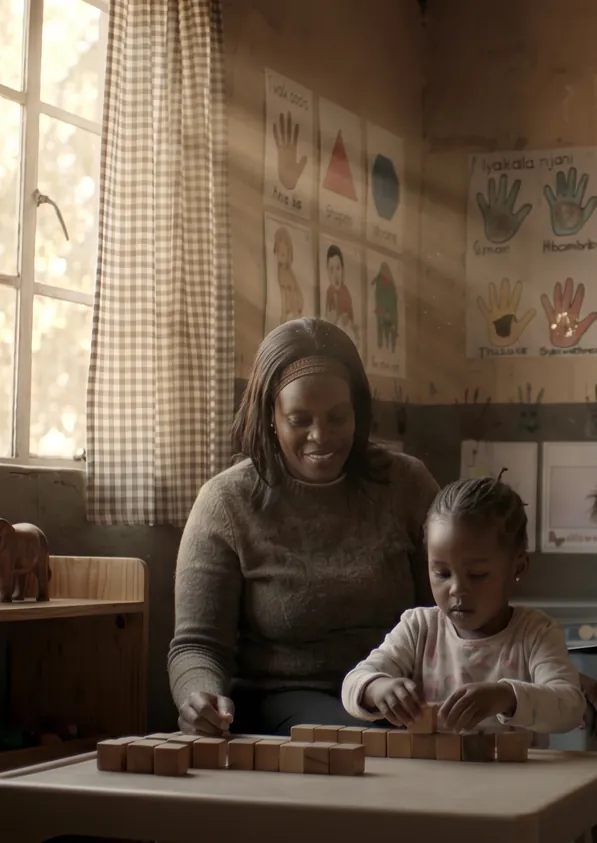
Adult and children seated in a classroom
  • 01

    Knowing the child

    Connect developmental principles with the children, languages and relationships of a particular community.

  • 02

    Preparing with what is available

    Safe, purposeful materials made from accessible resources, with attention to order and the child’s reach.

  • 03

    Learning through practice

    Workshop exploration linked to changes in the everyday environment, then reflection on what happened.

  • 04

    Mentoring and local leadership

    Continuing relationships that help practitioners share knowledge and sustain their practice.

  • 05

    A community of care

    Families and local educators as partners in creating the conditions for children to flourish.

03Training rhythm and mentoring

More Than a Workshop.

In past South African cohorts, CoRE ran as a seven-month course delivered one week a month, so practitioners could stay in work, and facilitators continued mentoring visits for at least five months after the modules ended (Indaba Impact Overview 2024; CoRE Prospectus 2024). The timetable for each new cohort is confirmed with the Indaba Institute.

  1. A workshop module with the cohort and facilitators.

  2. Back in your own classroom, with your own children.

  3. Facilitators visit, watch and coach in the room.

  4. Return to the group: what changed, what still needs attention.

  5. Mentoring and a peer group continue after the modules end.

04The facilitator’s role

A Facilitator Beside Every Teacher.

Adults concentrating on handmade learning materials

CoRE is led by facilitators: experienced practitioners, usually from the communities they serve, who run the workshops, visit centres, observe practice and coach teachers long after the modules end.

They are what keeps CoRE practical and local, and forming more of them, carefully, is how CoRE can reach further without losing quality.

Explore Facilitators

The golden bead chain

05Field evidence

What Field Work Suggests, and How We Know.

We publish evidence with its method and its limits. Field work suggests that CoRE changes how classrooms work; we do not yet claim long-term outcomes for children.

The Indaba Foundation, which supports CoRE in communities, publishes the wider impact reporting.

Kayamandi · 2025

Learning alongside practitioners

Group 1 began with 35 teachers and principals representing 31 early childhood centres. Facilitator observations and follow-up visits describe changes such as bringing materials within reach and organising activities.

SourceKayamandi 2025 Group 1 Report #1, as summarised by the Indaba Institute. Contextual practice observations, not a controlled evaluation.

Kayamandi · 2021

A first proof of concept

The first Kayamandi course suggested that a meaningful shift in how practitioners work with children is possible within 24 days of contact time. The local municipality supported the trainings with transport, catering and venues.

SourceCoRE Prospectus, Indaba, September 2024. A programme account, not an independent evaluation.

Child assessment · 2026

An independent snapshot, read carefully

An accredited, independent assessor carried out a once-off assessment of children in CoRE-affiliated early learning programmes in Kayamandi, in isiXhosa, using the Early Learning Outcomes Measure (ELOM 4&5). A snapshot describes how children were doing at one moment; it cannot show that CoRE caused the result.

SourceIndaba evidence briefing (June 2026) summarising an independent ELOM 4&5 assessment. Figures will be published alongside the primary report. Method and limits, on the Indaba Foundation site (another Indaba site)

Visit the Indaba Foundation (another Indaba site)

06Institutional enquiries

Bring CoRE to Your Community.

NGOs, foundations, school networks and public partners can bring CoRE to the educators they support. A conversation starts with your context: the communities, the practitioners and the support already in place.

Through Indaba Deploy, CoRE can be combined with local facilitator development and quality review.

Discuss Your ProjectEducators & Communities

07Questions

Questions from Educators.

Is CoRE an Association Montessori Internationale (AMI) diploma?

No. CoRE is a community-based pathway, distinct from AMI diploma training. The Institute describes an EsF certificate on successful completion; confirm the details for your cohort with the Institute.

Can I apply as an individual teacher?

CoRE cohorts are arranged with partner organisations and communities. Register interest and tell us where you work; we will let you know if a cohort is planned near you.

What does the programme cover?

The five strands above: knowing the child, preparing with what is available, learning through practice, mentoring and local leadership, and a community of care. Module titles and their order are confirmed by the Indaba Institute for each cohort; ask admissions for the current outline.

How long does it take?

Past South African cohorts ran over seven months, one week a month. The timetable for each new cohort is confirmed with the Institute.

Will I have to stop working?

CoRE is designed to be taken alongside your work, with practice in your own classroom between modules.

What does it cost?

Dates and fees are to be confirmed for each cohort. Ask the Institute’s admissions team before making arrangements.

08At a glance

CoRE at a Glance.

For
Early childhood practitioners, principals and centre leaders working with children from birth to six in community settings, and the organisations that support them.
What changes
The classroom environment, how materials are made and used, how the teacher observes and guides, and how families are involved.
What you get
Workshop modules, practice in your own classroom, mentoring visits and a peer group. The Institute describes an Educateurs sans Frontières (EsF) certificate on successful completion; certification details are confirmed with the Institute.
How it’s delivered
In your community, in modules alongside your work, with facilitators visiting your centre. The timetable is confirmed for each cohort.
Available now?
Delivered with partners. CoRE runs with partner organisations and communities. There is no open individual enrolment; the next cohort is to be confirmed.
What happens next
Register interest sends your details to the Indaba team. View Training takes you to the Institute’s CoRE page and admissions. Organisations can start a conversation through Build with Indaba.
Who stands behind it
CoRE, designed by Educateurs sans Frontières (EsF), is delivered with the Indaba Institute. The Institute is the training partner of the Indaba Foundation.

09Register interest

Interested in CoRE?

Teachers, principals and centre leaders can register interest here. To read the programme or ask about a cohort, go to the Indaba Institute; organisations can start a conversation with us directly.

  • Your name and email go to the Indaba team
  • We write when there is news about this pathway
  • No payment and no commitment
  • Remove your details at any time

CoRE Teachers

Better Preparation. Stronger Beginnings.

Read about Community Rooted Education at the Indaba Institute, or talk to us about bringing it to the educators you support.

View Training (another Indaba site)Build with Indaba