Review preview · Product concepts and editorial proposals. Guide is in development.

THE WORLD OF CHILDHOOD · AN ATLAS IN DEVELOPMENT

Journey Into the World of Childhood.

Six continents and twenty-four destinations, each a series of experiences designed to help you grow as an adult, so the children in your life can flourish.

A proposed knowledge framework in development, not a developmental diagnostic test.

Explore the DestinationsGet Guide Priority Access

Guide will be a paid product. Registering interest grants no product access and creates no payment or purchase obligation.

IWellbeingIIBody & SensesIIIMind & LearningIVExpressionVRelationshipsVIThe World Around
Proposed atlas · six continents, twenty-four destinations · editorial proposal

The atlas

Six Continents. Twenty-Four Destinations.

Every destination is a dimension of childhood: a place to linger, observe and return to. Together they form a journey of films, insights and practical experiences designed to change how you see the child, and how you respond. The continents and destinations remain an editorial proposal, not an approved taxonomy; the sixth continent describes the world around the child, not abilities the child possesses.

24 destinations across six continents

Continent I

Foundations of Wellbeing

Where every journey begins: the health, nourishment, rest and safety that let a child meet the world with energy and trust.

4 destinations

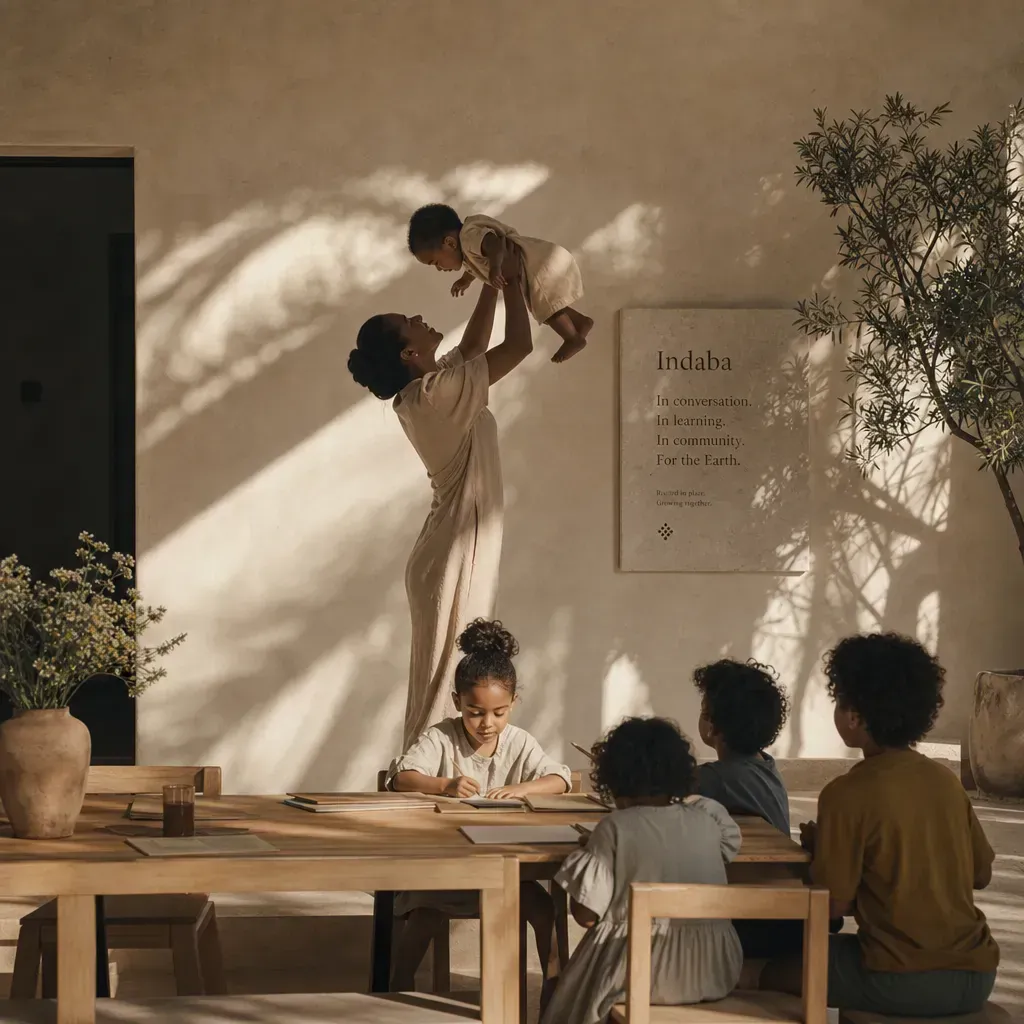
Concept illustration: Adult lifting a small child into sunlight
Concept · Growing in the light of attentive care.

Destination 01

Physical health & growth

Sunlight, nourishing routines and attentive care. Explore the everyday conditions that support a growing body, and the adult’s quiet part in keeping them steady.

Discover moreClose destination

Continent I · Foundations of Wellbeing · editorial proposal

“What everyday conditions support healthy development?”

Basic health, growth and wellbeing; care environment.

Learning sits within the wider conditions of health and care. This lens concerns the environment around wellbeing, not an assessment of a child’s growth.

The child · Editorial proposal

What an adult may notice
  • Notice the everyday care setting and the adults available to help.
  • Keep health concerns separate from educational interpretation.
Age-aware questions · editorial examples
0–3
An adult-guided observation of physical health & growth within familiar everyday care. Suitability and specialist interpretation remain to be reviewed.
3–6
Reflect on a familiar daily routine. Follow the child’s chosen activity and consider what support is needed.
6–12
Future scope: investigate how physical health & growth might connect with shared inquiry and wider experience.
12–18
Future scope: explore possible links with identity, responsibility and community; specialist coverage is not confirmed.
Practical experience previews
  • Reflect on a familiar daily routine
  • Review how the setting welcomes participation

Preview topics only. Practical instructions, suitability, adaptations and safety conditions require specialist review before release.

Evidence and review status

Domain-specific evidence and specialist review pending. No reviewer or review date has been assigned. This is a learning ontology, not a validated assessment.

How knowledge will be reviewed →

Professional learning is separately offered through Pathways →

Questions to explore
  • What everyday conditions support healthy development?
  • What might an adult observe before offering help?
  • How could the environment or cultural context change what we notice?

Nearby destinations

Nutrition & nourishmentPrepared adult & responsive caregivingAttention & concentration

Explore the proposed Collection chapter →

Get Guide Priority Access →
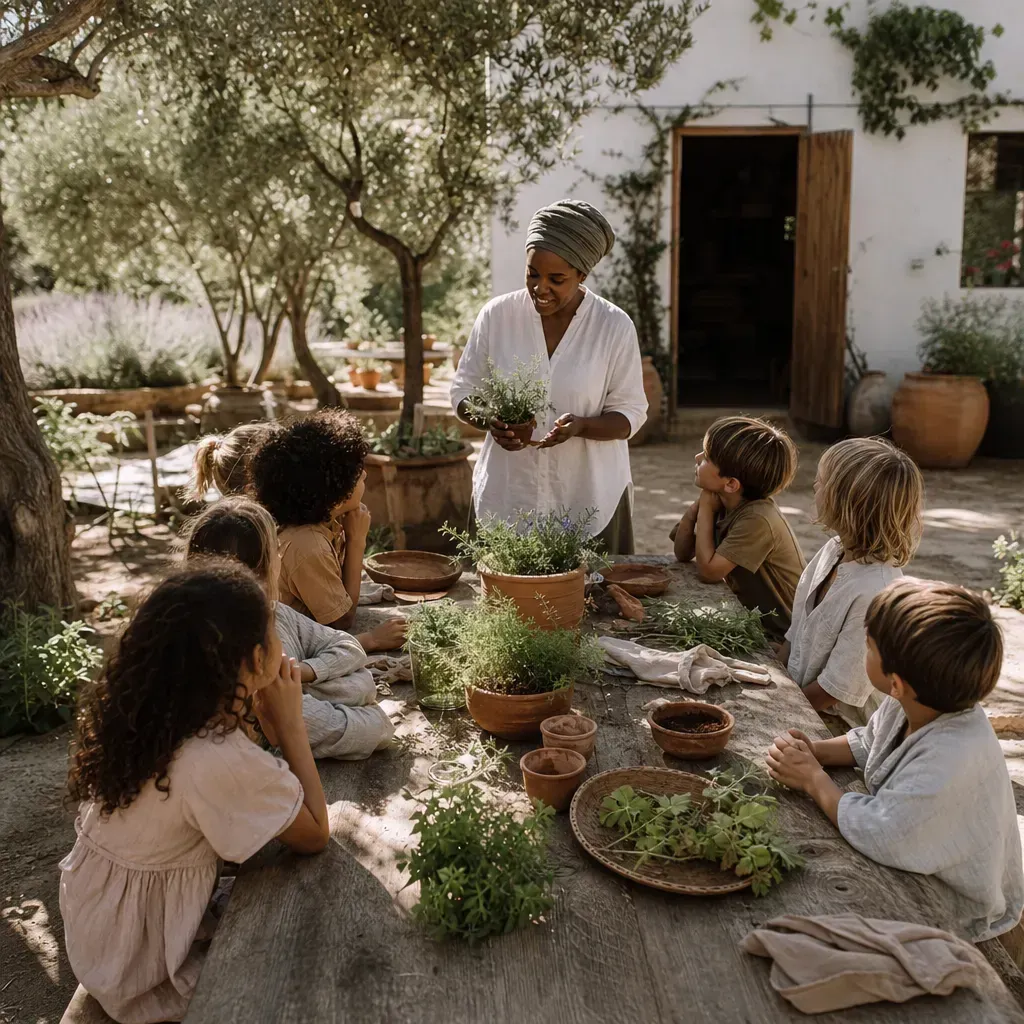
Concept illustration: Adult leading an outdoor table activity with children
Concept · Learning through the living world.

Destination 02

Nutrition & nourishment

Gathered around a table of fresh greens, mealtimes become more than meals: moments of independence, conversation and connection shared across the day.

Discover moreClose destination

Continent I · Foundations of Wellbeing · editorial proposal

“How can mealtimes support independence and connection?”

Nourishing routines, eating environment, feeding relationships.

A mealtime is also an encounter with routines, relationships and participation. Explore the setting without prescribing diets or interpreting feeding difficulties.

The child · Editorial proposal

What an adult may notice
  • Notice invitations to participate in the routine around a meal.
  • Consider the adult’s response and the social setting, without judging food intake.
Age-aware questions · editorial examples
0–3
An adult-guided observation of nutrition & nourishment within familiar everyday care. Suitability and specialist interpretation remain to be reviewed.
3–6
Reflect on a familiar daily routine. Follow the child’s chosen activity and consider what support is needed.
6–12
Future scope: investigate how nutrition & nourishment might connect with shared inquiry and wider experience.
12–18
Future scope: explore possible links with identity, responsibility and community; specialist coverage is not confirmed.
Practical experience previews
  • Reflect on a familiar daily routine
  • Review how the setting welcomes participation

Preview topics only. Practical instructions, suitability, adaptations and safety conditions require specialist review before release.

Evidence and review status

Domain-specific evidence and specialist review pending. No reviewer or review date has been assigned. This is a learning ontology, not a validated assessment.

How knowledge will be reviewed →

Professional learning is separately offered through Pathways →

Questions to explore
  • How can mealtimes support independence and connection?
  • What might an adult observe before offering help?
  • How could the environment or cultural context change what we notice?

Nearby destinations

Sleep, rest & rhythmsPrepared adult & responsive caregivingAttention & concentration

Explore the proposed Collection chapter →

Get Guide Priority Access →
Concept illustration: Adult resting close beside a child
Concept · Adult resting close beside a child.

Destination 03

Sleep, rest & rhythms

In the hush after the day, rest and predictable rhythms give a child something to lean on. Discover how routine can become a sense of security.

Discover moreClose destination

Continent I · Foundations of Wellbeing · editorial proposal

“How do routines support a child's sense of security?”

Rest, predictable rhythms, transitions.

Rhythms and transitions offer a way to consider familiarity, rest and adult responsiveness. This lens does not prescribe sleep schedules.

The child · Editorial proposal

What an adult may notice
  • Describe what happens during a familiar transition.
  • Notice differences in context before assuming why a child is unsettled.
Age-aware questions · editorial examples
0–3
An adult-guided observation of sleep, rest & rhythms within familiar everyday care. Suitability and specialist interpretation remain to be reviewed.
3–6
Reflect on a familiar daily routine. Follow the child’s chosen activity and consider what support is needed.
6–12
Future scope: investigate how sleep, rest & rhythms might connect with shared inquiry and wider experience.
12–18
Future scope: explore possible links with identity, responsibility and community; specialist coverage is not confirmed.
Practical experience previews
  • Reflect on a familiar daily routine
  • Review how the setting welcomes participation

Preview topics only. Practical instructions, suitability, adaptations and safety conditions require specialist review before release.

Evidence and review status

Domain-specific evidence and specialist review pending. No reviewer or review date has been assigned. This is a learning ontology, not a validated assessment.

How knowledge will be reviewed →

Professional learning is separately offered through Pathways →

Questions to explore
  • How do routines support a child's sense of security?
  • What might an adult observe before offering help?
  • How could the environment or cultural context change what we notice?

Nearby destinations

Safety & protectionPrepared adult & responsive caregivingAttention & concentration

Explore the proposed Collection chapter →

Get Guide Priority Access →
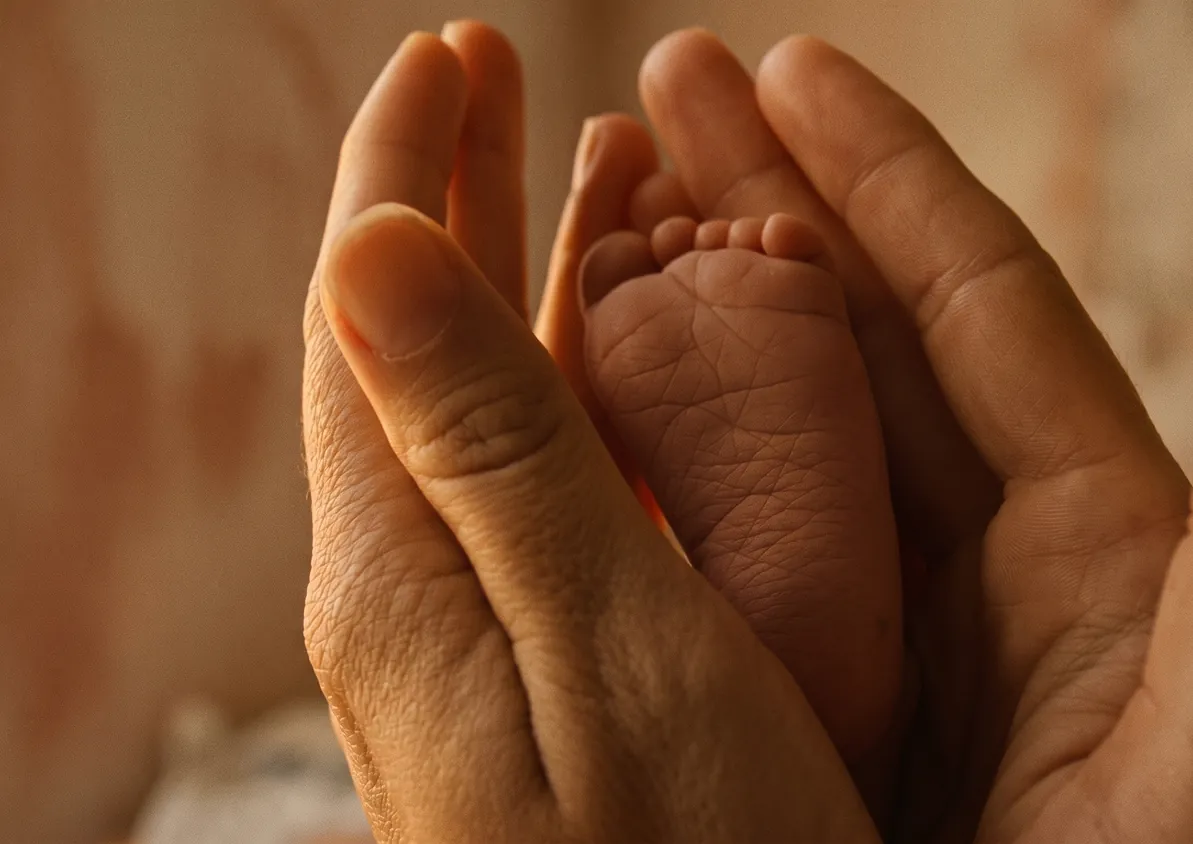
Concept illustration: Adult hands holding a baby's feet
Concept · Adult hands holding a baby's feet.

Destination 04

Safety & protection

Held gently, then gradually released. Explore how adults balance protection with the freedom to explore, and where age-appropriate risk belongs in growing up.

Discover moreClose destination

Continent I · Foundations of Wellbeing · editorial proposal

“How can we balance exploration with protection?”

Safe environments, safeguarding, age-appropriate risk.

Exploration needs thoughtful protection. Consider adult responsibility and the conditions of a setting rather than treating risk-taking as a developmental score.

The child · Editorial proposal

What an adult may notice
  • Identify where adult supervision or an environmental review is needed.
  • Distinguish a pedagogical question from a safeguarding concern.
Age-aware questions · editorial examples
0–3
An adult-guided observation of safety & protection within familiar everyday care. Suitability and specialist interpretation remain to be reviewed.
3–6
Reflect on a familiar daily routine. Follow the child’s chosen activity and consider what support is needed.
6–12
Future scope: investigate how safety & protection might connect with shared inquiry and wider experience.
12–18
Future scope: explore possible links with identity, responsibility and community; specialist coverage is not confirmed.
Practical experience previews
  • Reflect on a familiar daily routine
  • Review how the setting welcomes participation

Preview topics only. Practical instructions, suitability, adaptations and safety conditions require specialist review before release.

Evidence and review status

Domain-specific evidence and specialist review pending. No reviewer or review date has been assigned. This is a learning ontology, not a validated assessment.

How knowledge will be reviewed →

Professional learning is separately offered through Pathways →

Questions to explore
  • How can we balance exploration with protection?
  • What might an adult observe before offering help?
  • How could the environment or cultural context change what we notice?

Nearby destinations

Physical health & growthPrepared adult & responsive caregivingAttention & concentration

Explore the proposed Collection chapter →

Get Guide Priority Access →
Continent II

Body & Sensorial Discovery

The world arrives through hands, feet and senses. Here, movement becomes a way of knowing.

4 destinations

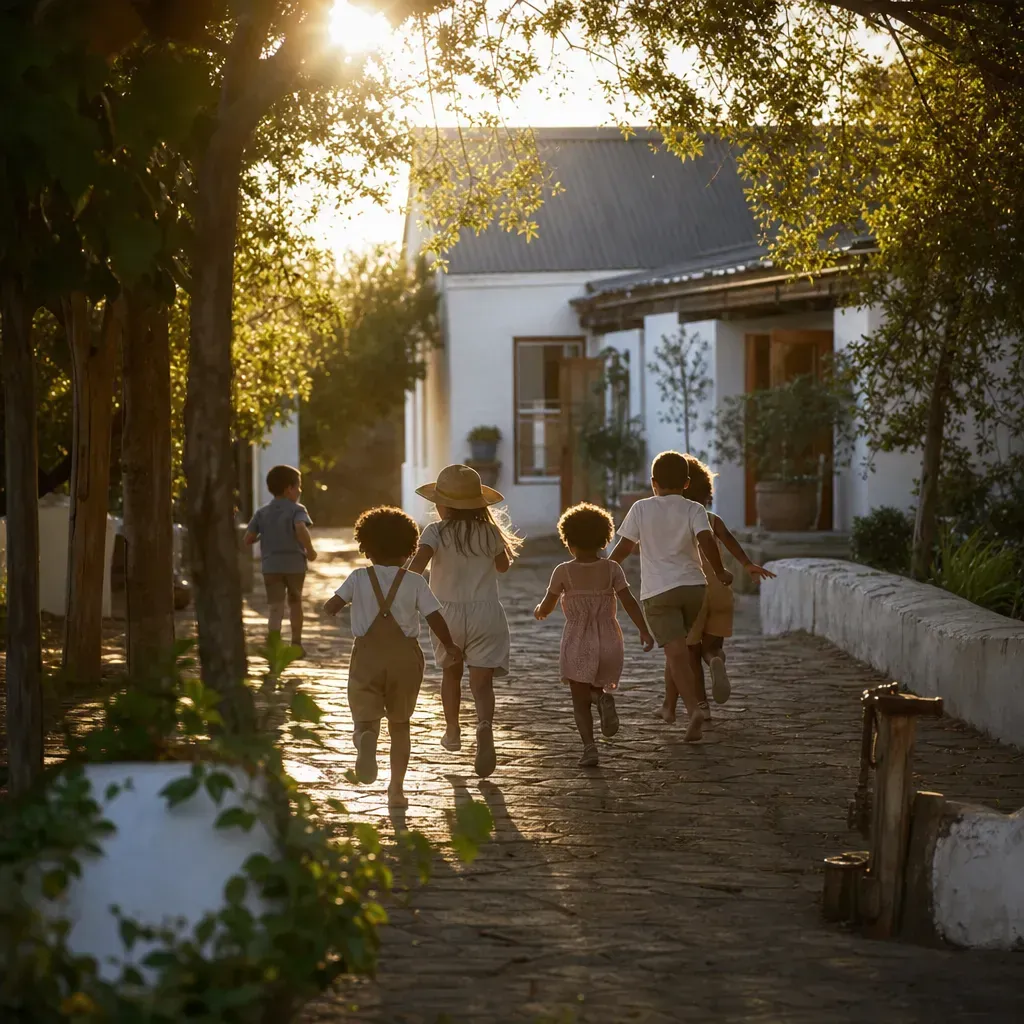
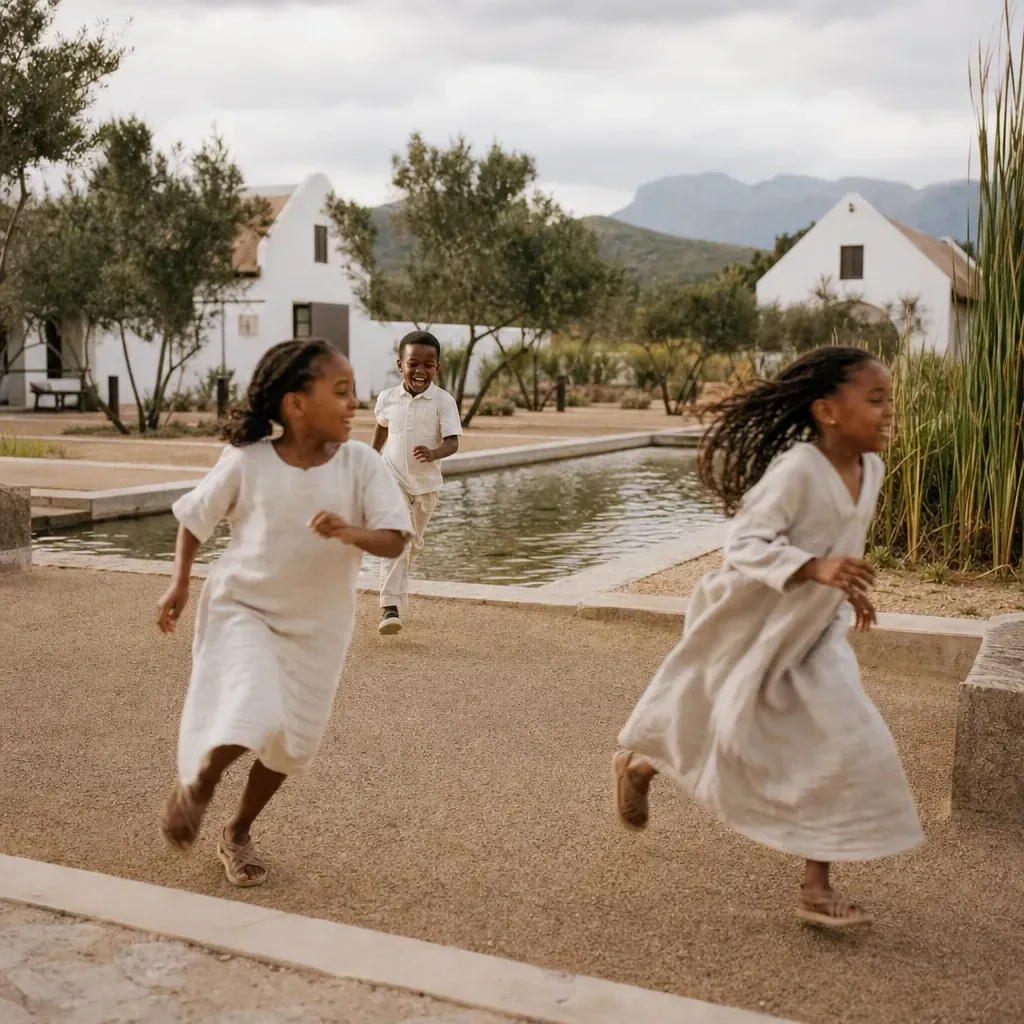
Concept illustration: Children running past white buildings outdoors
Concept · Room to move. Freedom to grow.

Destination 05

Gross movement

Running, balancing and turning in the open air. A landscape for understanding why movement matters to learning, and how space invites the whole body in.

Discover moreClose destination

Continent II · Body & Sensorial Discovery · editorial proposal

“Why does movement matter to learning?”

Locomotion, balance, coordination, outdoor movement.

Movement opens questions about space, access and opportunities to explore. Different bodies and mobility needs call for different environmental responses.

The child · Editorial proposal

What an adult may notice
  • Notice the routes through a room or outdoor space.
  • Consider whether the space welcomes different forms of mobility.
Age-aware questions · editorial examples
0–3
An adult-guided observation of gross movement within familiar everyday care. Suitability and specialist interpretation remain to be reviewed.
3–6
Observe how materials can be reached. Follow the child’s chosen activity and consider what support is needed.
6–12
Future scope: investigate how gross movement might connect with shared inquiry and wider experience.
12–18
Future scope: explore possible links with identity, responsibility and community; specialist coverage is not confirmed.
Practical experience previews
  • Observe how materials can be reached
  • Consider movement and accessibility in the space

Preview topics only. Practical instructions, suitability, adaptations and safety conditions require specialist review before release.

Evidence and review status

Domain-specific evidence and specialist review pending. No reviewer or review date has been assigned. This is a learning ontology, not a validated assessment.

How knowledge will be reviewed →

Professional learning is separately offered through Pathways →

Questions to explore
  • Why does movement matter to learning?
  • What might an adult observe before offering help?
  • How could the environment or cultural context change what we notice?

Nearby destinations

Fine motor skillsPrepared adult & responsive caregivingAttention & concentration

Explore the proposed Collection chapter →

Get Guide Priority Access →
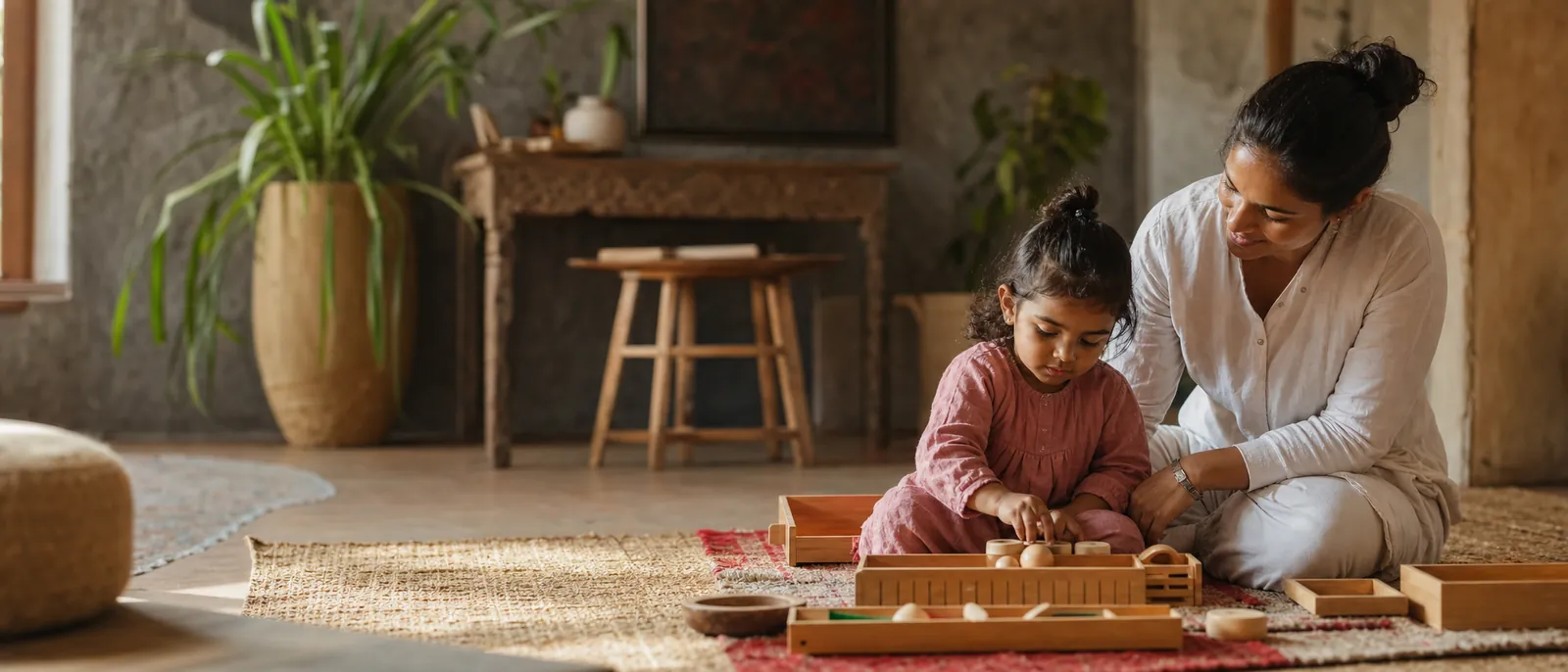
Concept illustration: Adult and young child using materials on a rug
Concept · Making space for a child's own activity.

Destination 06

Fine motor skills

On a woven rug, small fingers grasp, lift and fit each piece. Discover how the hand helps a child build understanding, one precise movement at a time.

Discover moreClose destination

Continent II · Body & Sensorial Discovery · editorial proposal

“How do hands help children build understanding?”

Hand function, manipulation, precision.

Hands reveal the relationship between a material, an action and an intention. Observation can attend to the task without testing dexterity or comparing children.

The child · Editorial proposal

What an adult may notice
  • Describe the hand movement and material involved.
  • Notice the support the child chooses or requests.
Age-aware questions · editorial examples
0–3
An adult-guided observation of fine motor skills within familiar everyday care. Suitability and specialist interpretation remain to be reviewed.
3–6
Observe how materials can be reached. Follow the child’s chosen activity and consider what support is needed.
6–12
Future scope: investigate how fine motor skills might connect with shared inquiry and wider experience.
12–18
Future scope: explore possible links with identity, responsibility and community; specialist coverage is not confirmed.
Practical experience previews
  • Observe how materials can be reached
  • Consider movement and accessibility in the space

Preview topics only. Practical instructions, suitability, adaptations and safety conditions require specialist review before release.

Evidence and review status

Domain-specific evidence and specialist review pending. No reviewer or review date has been assigned. This is a learning ontology, not a validated assessment.

How knowledge will be reviewed →

Professional learning is separately offered through Pathways →

Questions to explore
  • How do hands help children build understanding?
  • What might an adult observe before offering help?
  • How could the environment or cultural context change what we notice?

Nearby destinations

Sensory developmentPrepared adult & responsive caregivingAttention & concentration

Explore the proposed Collection chapter →

Get Guide Priority Access →

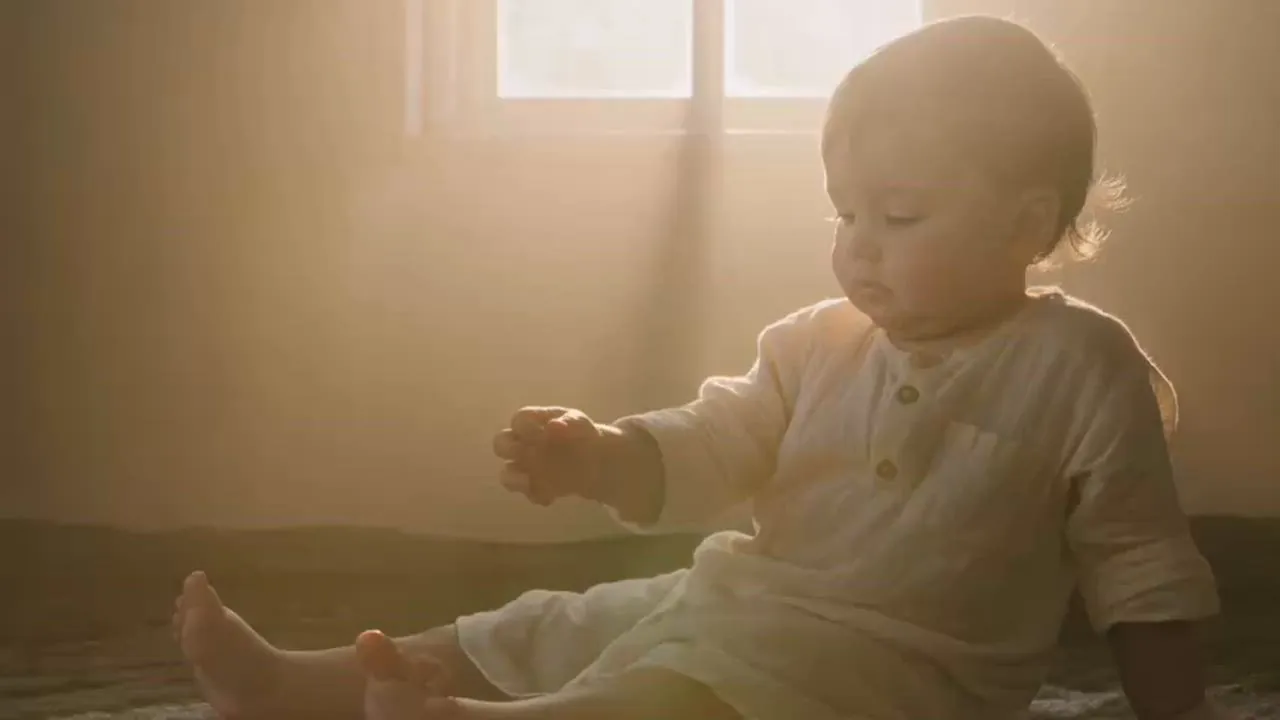
Concept illustration: Young child reaching in soft light
Concept · Meeting the world through the senses.

Destination 07

Sensory development

Soft light across the floor, a hand reaching to meet it. Explore how touch, sound and sight become a child’s first instruments of discovery.

Discover moreClose destination

Continent II · Body & Sensorial Discovery · editorial proposal

“What are children discovering through touch and sound?”

Sensory exploration, discrimination and integration.

Texture, sound, light and movement belong to the experience of a place. Individual sensory preferences and access needs should shape the questions adults ask.

The child · Editorial proposal

What an adult may notice
  • Notice responses to the materials and surroundings without diagnosing.
  • Ask which sensory features are adjustable in this context.
Age-aware questions · editorial examples
0–3
An adult-guided observation of sensory development within familiar everyday care. Suitability and specialist interpretation remain to be reviewed.
3–6
Observe how materials can be reached. Follow the child’s chosen activity and consider what support is needed.
6–12
Future scope: investigate how sensory development might connect with shared inquiry and wider experience.
12–18
Future scope: explore possible links with identity, responsibility and community; specialist coverage is not confirmed.
Practical experience previews
  • Observe how materials can be reached
  • Consider movement and accessibility in the space

Preview topics only. Practical instructions, suitability, adaptations and safety conditions require specialist review before release.

Evidence and review status

Domain-specific evidence and specialist review pending. No reviewer or review date has been assigned. This is a learning ontology, not a validated assessment.

How knowledge will be reviewed →

Professional learning is separately offered through Pathways →

Questions to explore
  • What are children discovering through touch and sound?
  • What might an adult observe before offering help?
  • How could the environment or cultural context change what we notice?

Nearby destinations

Body awareness & self-carePrepared adult & responsive caregivingAttention & concentration

Explore the proposed Collection chapter →

Get Guide Priority Access →
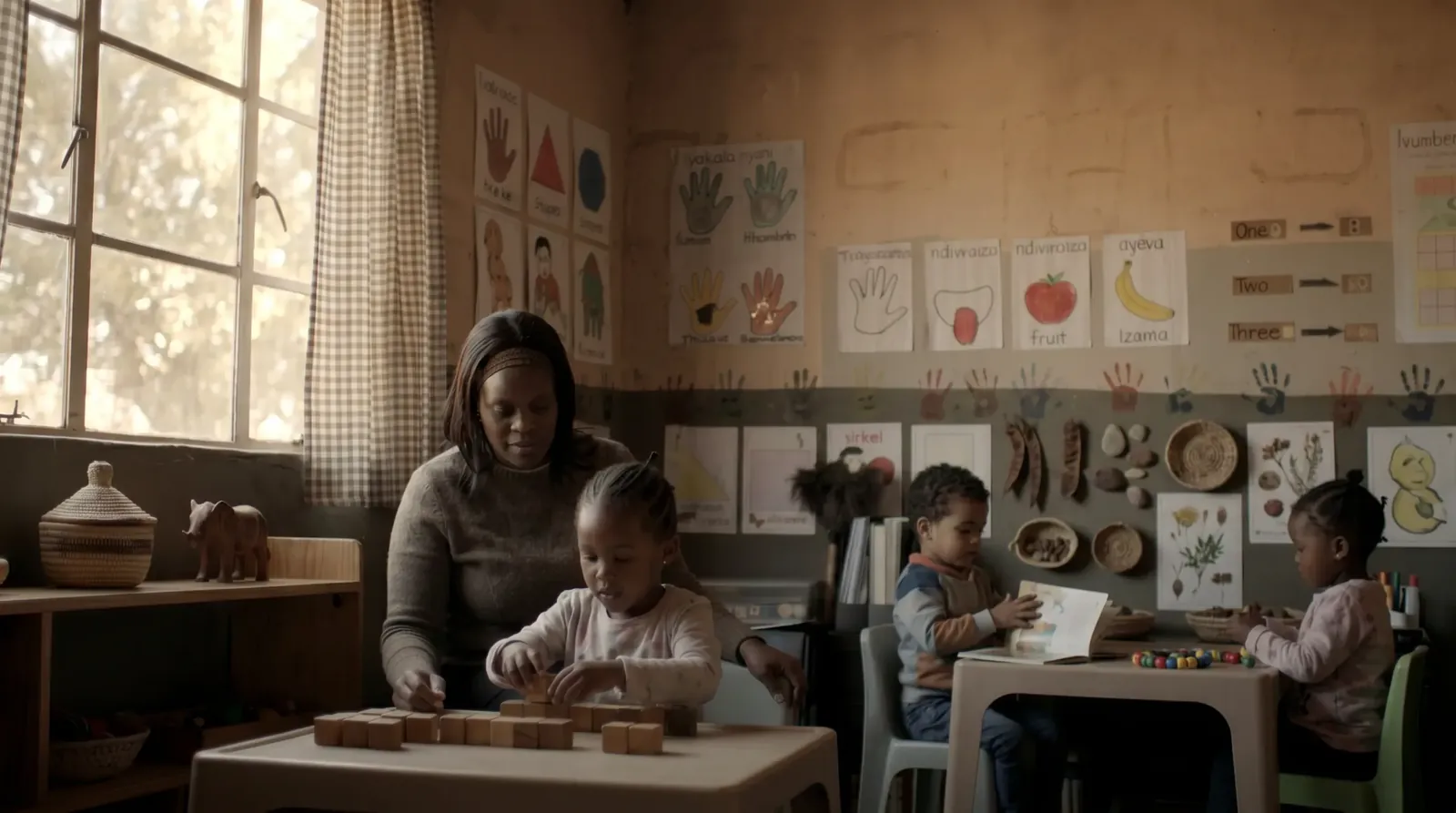
Concept illustration: Close detail of a young child's feet on a wooden floor
Concept · Bare feet on steady ground.

Destination 08

Body awareness & self-care

Bare feet on warm wooden floors. A destination devoted to bodily independence, and to the everyday moments when a child can do a little more alone.

Discover moreClose destination

Continent II · Body & Sensorial Discovery · editorial proposal

“How can we allow a child to do more independently?”

Bodily independence, everyday care skills.

Everyday care can invite participation. The adult can consider what support is needed without equating independence with doing everything alone.

The child · Editorial proposal

What an adult may notice
  • Describe which part of a care routine the child attempts.
  • Notice how help is offered, accepted or requested.
Age-aware questions · editorial examples
0–3
An adult-guided observation of body awareness & self-care within familiar everyday care. Suitability and specialist interpretation remain to be reviewed.
3–6
Observe how materials can be reached. Follow the child’s chosen activity and consider what support is needed.
6–12
Future scope: investigate how body awareness & self-care might connect with shared inquiry and wider experience.
12–18
Future scope: explore possible links with identity, responsibility and community; specialist coverage is not confirmed.
Practical experience previews
  • Observe how materials can be reached
  • Consider movement and accessibility in the space

Preview topics only. Practical instructions, suitability, adaptations and safety conditions require specialist review before release.

Evidence and review status

Domain-specific evidence and specialist review pending. No reviewer or review date has been assigned. This is a learning ontology, not a validated assessment.

How knowledge will be reviewed →

Professional learning is separately offered through Pathways →

Questions to explore
  • How can we allow a child to do more independently?
  • What might an adult observe before offering help?
  • How could the environment or cultural context change what we notice?

Nearby destinations

Gross movementPrepared adult & responsive caregivingAttention & concentration

Explore the proposed Collection chapter →

Get Guide Priority Access →
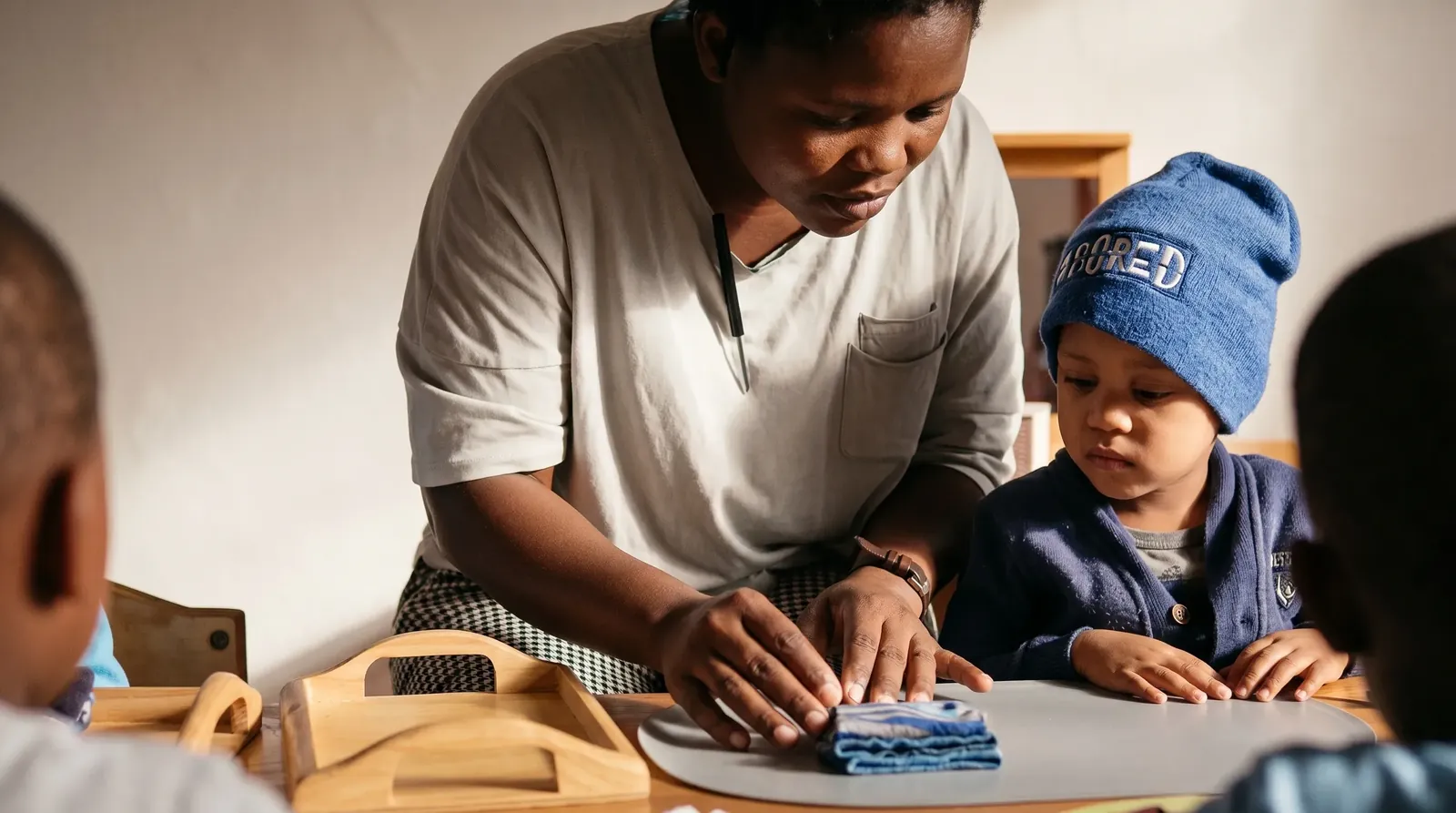
Continent III

Mind & Learning

Deep absorption, growing self-control and the first great questions: the landscape of a mind taking shape.

4 destinations

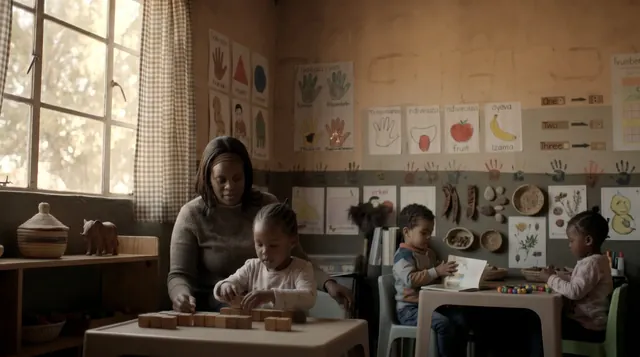
Concept illustration: Adult and children seated in a classroom
Concept · Absorbed in a chosen task.

Destination 09

Attention & concentration

Why does a child repeat an activity again and again? Slow down beside deep engagement, and discover what an adult can protect by stepping back.

Discover moreClose destination

Continent III · Mind & Learning · editorial proposal

“Why does a child repeat an activity many times?”

Sustained engagement, repetition, focus.

Returning to an activity invites attention to interest, familiarity and the conditions for engagement. Duration alone does not measure the quality of learning.

The child · Editorial proposal

What an adult may notice
  • Describe the task the child returns to.
  • Notice interruptions, material access and adult involvement.
Age-aware questions · editorial examples
0–3
An adult-guided observation of attention & concentration within familiar everyday care. Suitability and specialist interpretation remain to be reviewed.
3–6
Allow time for a chosen task. Follow the child’s chosen activity and consider what support is needed.
6–12
Future scope: investigate how attention & concentration might connect with shared inquiry and wider experience.
12–18
Future scope: explore possible links with identity, responsibility and community; specialist coverage is not confirmed.
Practical experience previews
  • Allow time for a chosen task
  • Notice distractions without testing the child

Preview topics only. Practical instructions, suitability, adaptations and safety conditions require specialist review before release.

Evidence and review status

Domain-specific evidence and specialist review pending. No reviewer or review date has been assigned. This is a learning ontology, not a validated assessment.

How knowledge will be reviewed →

Professional learning is separately offered through Pathways →

Questions to explore
  • Why does a child repeat an activity many times?
  • What might an adult observe before offering help?
  • How could the environment or cultural context change what we notice?

Nearby destinations

Fine motor skillsAgency, identity & independencePrepared adult & responsive caregivingPrepared spaces & material environments

Explore the proposed Collection chapter →

Get Guide Priority Access →
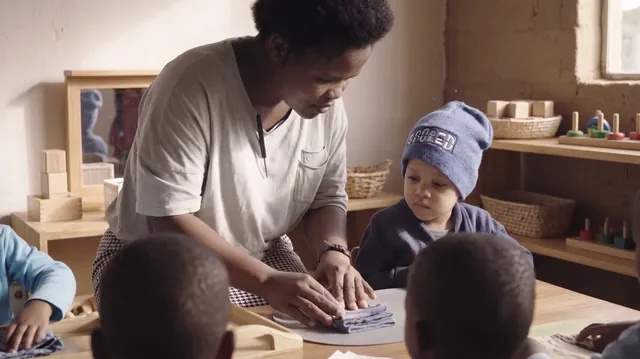
Concept illustration: Adult helping a child with tabletop materials
Concept · The adult prepares. The child discovers.

Destination 10

Executive function & self-regulation

A demonstration, watched closely before the first attempt. Explore planning, patience and flexible thinking, and how adults make room for growing self-control.

Discover moreClose destination

Continent III · Mind & Learning · editorial proposal

“How do we make space for growing self-control?”

Planning, inhibition, working memory and flexible thinking.

Planning and responding to change take place within relationships and contexts. Consider adult support without turning a difficult moment into a judgement of ability.

The child · Editorial proposal

What an adult may notice
  • Describe the steps or changes the activity involves.
  • Notice what support is available when plans change.
Age-aware questions · editorial examples
0–3
An adult-guided observation of executive function & self-regulation within familiar everyday care. Suitability and specialist interpretation remain to be reviewed.
3–6
Allow time for a chosen task. Follow the child’s chosen activity and consider what support is needed.
6–12
Future scope: investigate how executive function & self-regulation might connect with shared inquiry and wider experience.
12–18
Future scope: explore possible links with identity, responsibility and community; specialist coverage is not confirmed.
Practical experience previews
  • Allow time for a chosen task
  • Notice distractions without testing the child

Preview topics only. Practical instructions, suitability, adaptations and safety conditions require specialist review before release.

Evidence and review status

Domain-specific evidence and specialist review pending. No reviewer or review date has been assigned. This is a learning ontology, not a validated assessment.

How knowledge will be reviewed →

Professional learning is separately offered through Pathways →

Questions to explore
  • How do we make space for growing self-control?
  • What might an adult observe before offering help?
  • How could the environment or cultural context change what we notice?

Nearby destinations

Curiosity & inquiryPrepared adult & responsive caregivingAttention & concentration

Explore the proposed Collection chapter →

Get Guide Priority Access →
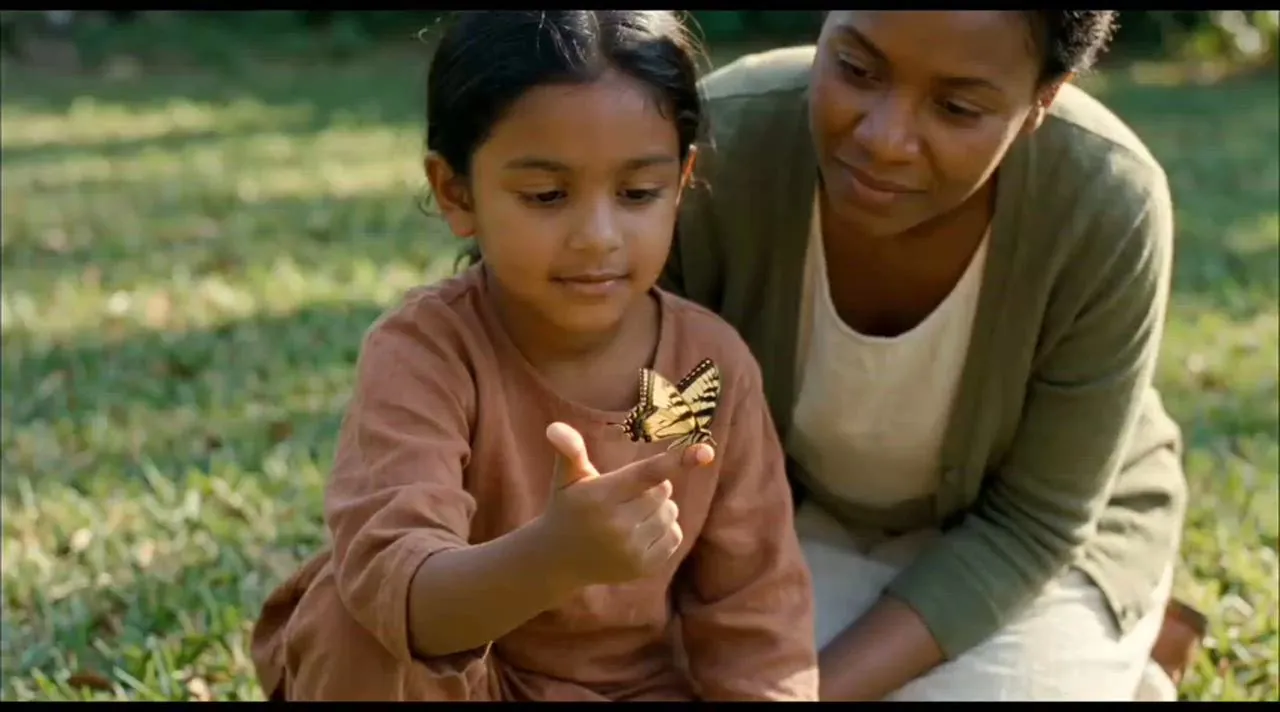
Concept illustration: Adult and child examining a plant outdoors
Concept · A question, held in the hand.

Destination 11

Curiosity & inquiry

A butterfly rests on an outstretched hand. Follow questions, cause and effect, and the small investigations through which children come to know their world.

Discover moreClose destination

Continent III · Mind & Learning · editorial proposal

“How do children become investigators of their world?”

Observation, questions, exploration, cause and effect.

A question, a pause or an experiment can open an inquiry. The adult’s role includes noticing what the child is investigating, rather than supplying every answer.

The child · Editorial proposal

What an adult may notice
  • Listen for a question or watch what is being investigated.
  • Notice whether the adult leaves space for exploration.
Age-aware questions · editorial examples
0–3
An adult-guided observation of curiosity & inquiry within familiar everyday care. Suitability and specialist interpretation remain to be reviewed.
3–6
Allow time for a chosen task. Follow the child’s chosen activity and consider what support is needed.
6–12
Future scope: investigate how curiosity & inquiry might connect with shared inquiry and wider experience.
12–18
Future scope: explore possible links with identity, responsibility and community; specialist coverage is not confirmed.
Practical experience previews
  • Allow time for a chosen task
  • Notice distractions without testing the child

Preview topics only. Practical instructions, suitability, adaptations and safety conditions require specialist review before release.

Evidence and review status

Domain-specific evidence and specialist review pending. No reviewer or review date has been assigned. This is a learning ontology, not a validated assessment.

How knowledge will be reviewed →

Professional learning is separately offered through Pathways →

Questions to explore
  • How do children become investigators of their world?
  • What might an adult observe before offering help?
  • How could the environment or cultural context change what we notice?

Nearby destinations

Reasoning & mathematical thinkingPrepared adult & responsive caregivingAttention & concentration

Explore the proposed Collection chapter →

Get Guide Priority Access →
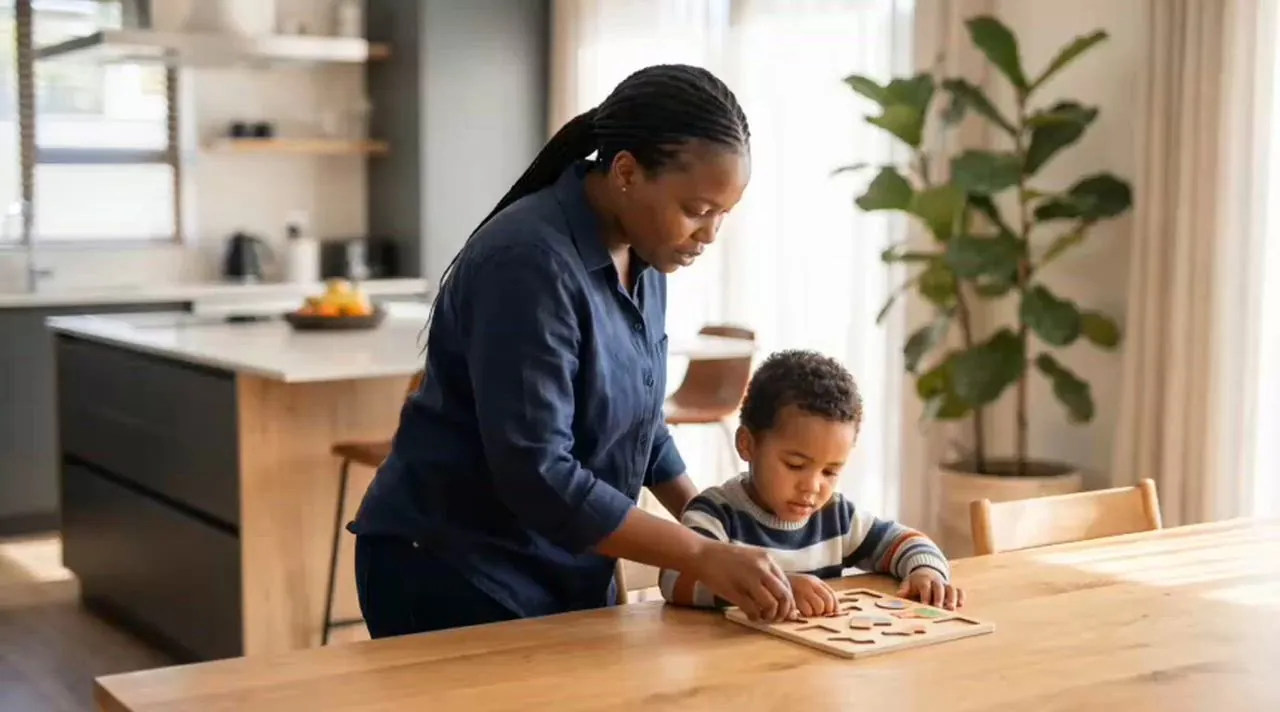
Concept illustration: Adult supporting a child's work at a table
Concept · Adult supporting a child's work at a table.

Destination 12

Reasoning & mathematical thinking

Shapes lifted, turned and matched at the kitchen table. Discover how concrete experience of pattern, quantity and order prepares the ground for abstract thought.

Discover moreClose destination

Continent III · Mind & Learning · editorial proposal

“How does concrete experience become abstract thinking?”

Patterns, quantity, logic, classification and numeracy.

Sorting, comparing and noticing patterns offer concrete topics for exploration. This is not an early attainment test or a fixed sequence of mathematical milestones.

The child · Editorial proposal

What an adult may notice
  • Describe the objects being grouped, ordered or compared.
  • Notice the child’s approach without assigning a level.
Age-aware questions · editorial examples
0–3
An adult-guided observation of reasoning & mathematical thinking within familiar everyday care. Suitability and specialist interpretation remain to be reviewed.
3–6
Allow time for a chosen task. Follow the child’s chosen activity and consider what support is needed.
6–12
Future scope: investigate how reasoning & mathematical thinking might connect with shared inquiry and wider experience.
12–18
Future scope: explore possible links with identity, responsibility and community; specialist coverage is not confirmed.
Practical experience previews
  • Allow time for a chosen task
  • Notice distractions without testing the child

Preview topics only. Practical instructions, suitability, adaptations and safety conditions require specialist review before release.

Evidence and review status

Domain-specific evidence and specialist review pending. No reviewer or review date has been assigned. This is a learning ontology, not a validated assessment.

How knowledge will be reviewed →

Professional learning is separately offered through Pathways →

Questions to explore
  • How does concrete experience become abstract thinking?
  • What might an adult observe before offering help?
  • How could the environment or cultural context change what we notice?

Nearby destinations

Attention & concentrationPrepared adult & responsive caregivingAttention & concentration

Explore the proposed Collection chapter →

Get Guide Priority Access →

Continent IV

Communication & Expression

Words, stories, colour, music and culture: the many languages through which a child reaches towards others.

4 destinations

Concept illustration: Adult and child seated outdoors in golden light
Concept · Adult and child seated outdoors in golden light.

Destination 13

Language & literacy

Beneath the trees, a story shared in the golden hour. Explore listening, conversation and the first steps into reading and writing, wherever language lives.

Discover moreClose destination

Continent IV · Communication & Expression · editorial proposal

“How does everyday conversation support language?”

Listening, speaking, emergent reading and writing.

Conversation, listening and encounters with print take many forms. Home languages, communication differences and opportunities to participate all belong in view.

The child · Editorial proposal

What an adult may notice
  • Notice who has opportunities to listen, respond or tell a story.
  • Include gestures, assisted communication and home languages.
Age-aware questions · editorial examples
0–3
An adult-guided observation of language & literacy within familiar everyday care. Suitability and specialist interpretation remain to be reviewed.
3–6
Listen to an everyday conversation. Follow the child’s chosen activity and consider what support is needed.
6–12
Future scope: investigate how language & literacy might connect with shared inquiry and wider experience.
12–18
Future scope: explore possible links with identity, responsibility and community; specialist coverage is not confirmed.
Practical experience previews
  • Listen to an everyday conversation
  • Explore a familiar story in the home language

Preview topics only. Practical instructions, suitability, adaptations and safety conditions require specialist review before release.

Evidence and review status

Domain-specific evidence and specialist review pending. No reviewer or review date has been assigned. This is a learning ontology, not a validated assessment.

How knowledge will be reviewed →

Professional learning is separately offered through Pathways →

Questions to explore
  • How does everyday conversation support language?
  • What might an adult observe before offering help?
  • How could the environment or cultural context change what we notice?

Nearby destinations

Communication & cultural expressionAttachment & secure relationshipsCommunity, society & the wider world

Explore the proposed Collection chapter →

Get Guide Priority Access →
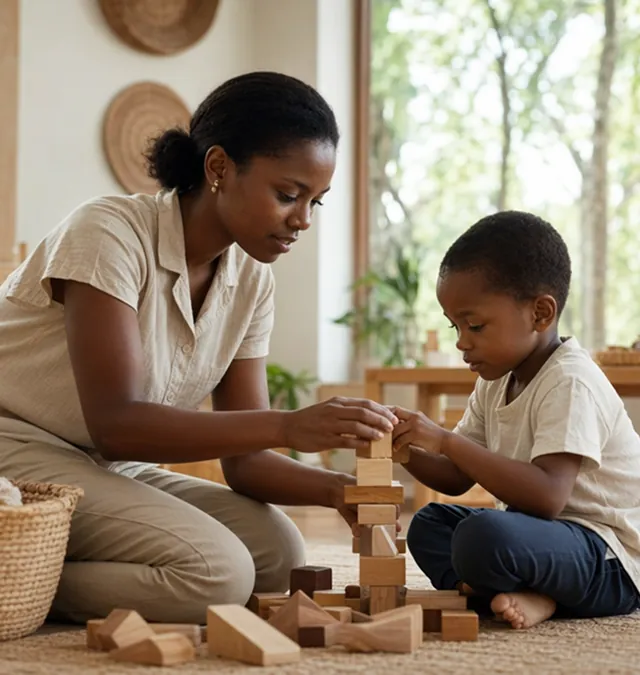
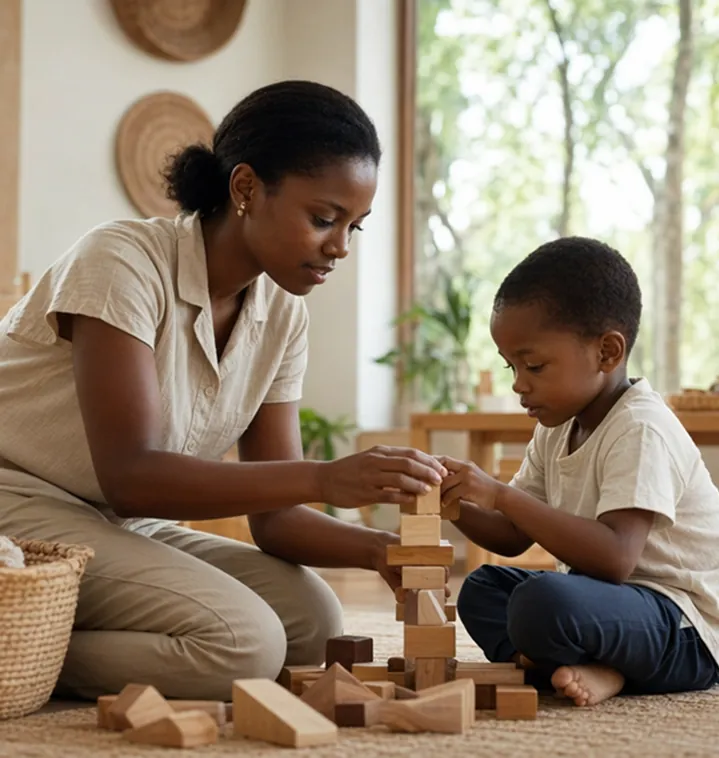
Concept illustration: Adult and child handling a small object together
Concept · A tower rising, block by block.

Destination 14

Imagination & creativity

A tower rising, block by wooden block. Explore pretend play, invention and expressive thought, and how adults can protect a child’s creative curiosity.

Discover moreClose destination

Continent IV · Communication & Expression · editorial proposal

“How can adults protect curiosity and creativity?”

Pretend play, invention, expressive thought.

Imagination can be encountered in stories, invention and expressive choices. Leave room for the child’s meaning without imposing an adult interpretation.

The child · Editorial proposal

What an adult may notice
  • Describe the materials and possibilities the child chooses.
  • Leave the meaning of the creation open to the child.
Age-aware questions · editorial examples
0–3
An adult-guided observation of imagination & creativity within familiar everyday care. Suitability and specialist interpretation remain to be reviewed.
3–6
Listen to an everyday conversation. Follow the child’s chosen activity and consider what support is needed.
6–12
Future scope: investigate how imagination & creativity might connect with shared inquiry and wider experience.
12–18
Future scope: explore possible links with identity, responsibility and community; specialist coverage is not confirmed.
Practical experience previews
  • Listen to an everyday conversation
  • Explore a familiar story in the home language

Preview topics only. Practical instructions, suitability, adaptations and safety conditions require specialist review before release.

Evidence and review status

Domain-specific evidence and specialist review pending. No reviewer or review date has been assigned. This is a learning ontology, not a validated assessment.

How knowledge will be reviewed →

Professional learning is separately offered through Pathways →

Questions to explore
  • How can adults protect curiosity and creativity?
  • What might an adult observe before offering help?
  • How could the environment or cultural context change what we notice?

Nearby destinations

Art, music & aesthetic experiencePrepared adult & responsive caregivingAttention & concentration

Explore the proposed Collection chapter →

Get Guide Priority Access →
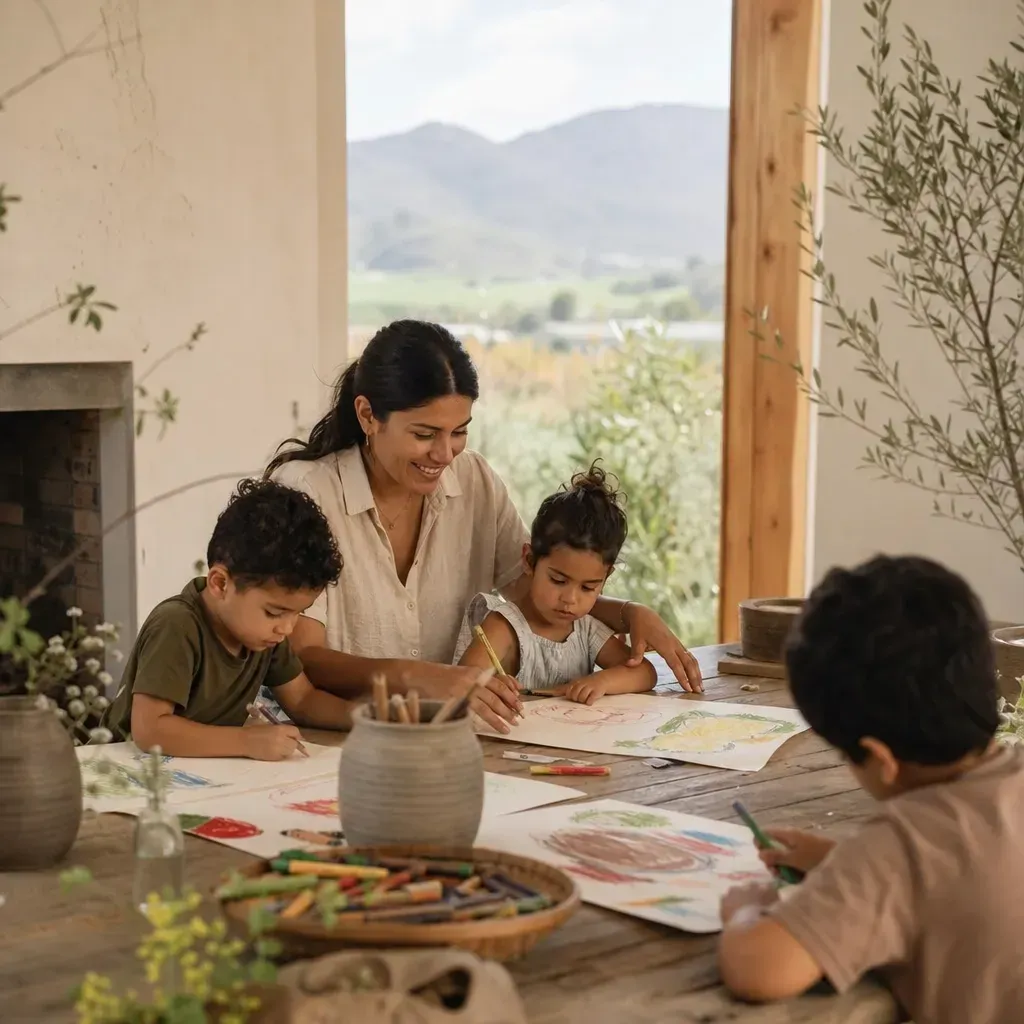
Concept illustration: Adult and children working together at a bright table
Concept · Space to explore, make and understand.

Destination 15

Art, music & aesthetic experience

Brushes, colour and the light of distant hills. Discover how beauty, sound and rhythm can become part of everyday learning rather than an occasional event.

Discover moreClose destination

Continent IV · Communication & Expression · editorial proposal

“How can beauty become part of everyday learning?”

Visual art, sound, rhythm and appreciation.

Art, music and beauty invite attention and expression. The materials and traditions of a community offer rich starting points without one prescribed aesthetic.

The child · Editorial proposal

What an adult may notice
  • Notice sounds, patterns, colours or rhythms that invite attention.
  • Consider local traditions and different access needs.
Age-aware questions · editorial examples
0–3
An adult-guided observation of art, music & aesthetic experience within familiar everyday care. Suitability and specialist interpretation remain to be reviewed.
3–6
Listen to an everyday conversation. Follow the child’s chosen activity and consider what support is needed.
6–12
Future scope: investigate how art, music & aesthetic experience might connect with shared inquiry and wider experience.
12–18
Future scope: explore possible links with identity, responsibility and community; specialist coverage is not confirmed.
Practical experience previews
  • Listen to an everyday conversation
  • Explore a familiar story in the home language

Preview topics only. Practical instructions, suitability, adaptations and safety conditions require specialist review before release.

Evidence and review status

Domain-specific evidence and specialist review pending. No reviewer or review date has been assigned. This is a learning ontology, not a validated assessment.

How knowledge will be reviewed →

Professional learning is separately offered through Pathways →

Questions to explore
  • How can beauty become part of everyday learning?
  • What might an adult observe before offering help?
  • How could the environment or cultural context change what we notice?

Nearby destinations

Communication & cultural expressionPrepared adult & responsive caregivingAttention & concentration

Explore the proposed Collection chapter →

Get Guide Priority Access →
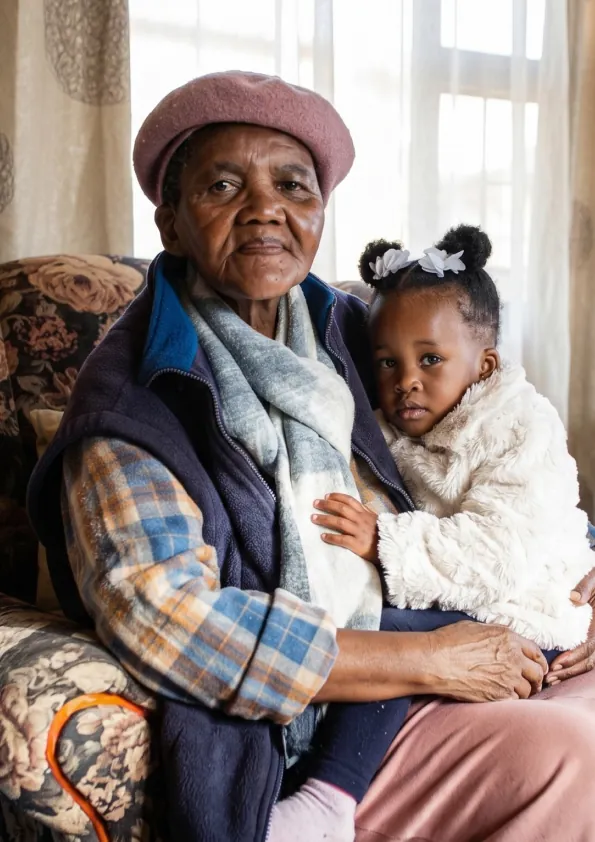
Older adult seated with a young child
Held close, among familiar voices.

Destination 16

Communication & cultural expression

Held close in a familiar chair, a child is surrounded by voices, gestures and stories. Explore many languages and the cultural meanings that shape belonging.

Discover moreClose destination

Continent IV · Communication & Expression · editorial proposal

“How do language and culture shape belonging?”

Gesture, multilingualism, narratives, cultural meaning.

Communication includes more than spoken words. Gesture, home languages and shared cultural meaning matter to how a child participates and belongs.

The child · Editorial proposal

What an adult may notice
  • Notice different ways people communicate meaning.
  • Consider whose language and stories appear in the environment.
Age-aware questions · editorial examples
0–3
An adult-guided observation of communication & cultural expression within familiar everyday care. Suitability and specialist interpretation remain to be reviewed.
3–6
Listen to an everyday conversation. Follow the child’s chosen activity and consider what support is needed.
6–12
Future scope: investigate how communication & cultural expression might connect with shared inquiry and wider experience.
12–18
Future scope: explore possible links with identity, responsibility and community; specialist coverage is not confirmed.
Practical experience previews
  • Listen to an everyday conversation
  • Explore a familiar story in the home language

Preview topics only. Practical instructions, suitability, adaptations and safety conditions require specialist review before release.

Evidence and review status

Domain-specific evidence and specialist review pending. No reviewer or review date has been assigned. This is a learning ontology, not a validated assessment.

How knowledge will be reviewed →

Professional learning is separately offered through Pathways →

Questions to explore
  • How do language and culture shape belonging?
  • What might an adult observe before offering help?
  • How could the environment or cultural context change what we notice?

Nearby destinations

Language & literacyPrepared adult & responsive caregivingAttention & concentration

Explore the proposed Collection chapter →

Get Guide Priority Access →
Continent V

Self & Relationships

Feelings, trust and the courage to do it oneself, held within the relationships that make exploration safe.

4 destinations

Concept illustration: Adult holding a child close at home
Concept · Closeness is where confidence begins.

Destination 17

Emotional development

Laughter, embrace and feelings that sometimes overflow. Explore co-regulation and emotional literacy, and how adults can respond when emotions run high.

Discover moreClose destination

Continent V · Self & Relationships · editorial proposal

“How can adults respond when feelings become overwhelming?”

Emotions, co-regulation, emotional literacy.

Feelings are encountered within moments and relationships. Explore how adults respond without labelling a child by an emotion or offering clinical interpretation.

The child · Editorial proposal

What an adult may notice
  • Describe what happened before and during the moment.
  • Notice the adult’s availability and response without assigning a label.
Age-aware questions · editorial examples
0–3
An adult-guided observation of emotional development within familiar everyday care. Suitability and specialist interpretation remain to be reviewed.
3–6
Notice turn-taking in a shared moment. Follow the child’s chosen activity and consider what support is needed.
6–12
Future scope: investigate how emotional development might connect with shared inquiry and wider experience.
12–18
Future scope: explore possible links with identity, responsibility and community; specialist coverage is not confirmed.
Practical experience previews
  • Notice turn-taking in a shared moment
  • Reflect on the adult’s response

Preview topics only. Practical instructions, suitability, adaptations and safety conditions require specialist review before release.

Evidence and review status

Domain-specific evidence and specialist review pending. No reviewer or review date has been assigned. This is a learning ontology, not a validated assessment.

How knowledge will be reviewed →

Professional learning is separately offered through Pathways →

Questions to explore
  • How can adults respond when feelings become overwhelming?
  • What might an adult observe before offering help?
  • How could the environment or cultural context change what we notice?

Nearby destinations

Sleep, rest & rhythmsAttachment & secure relationshipsPrepared adult & responsive caregiving

Explore the proposed Collection chapter →

Get Guide Priority Access →
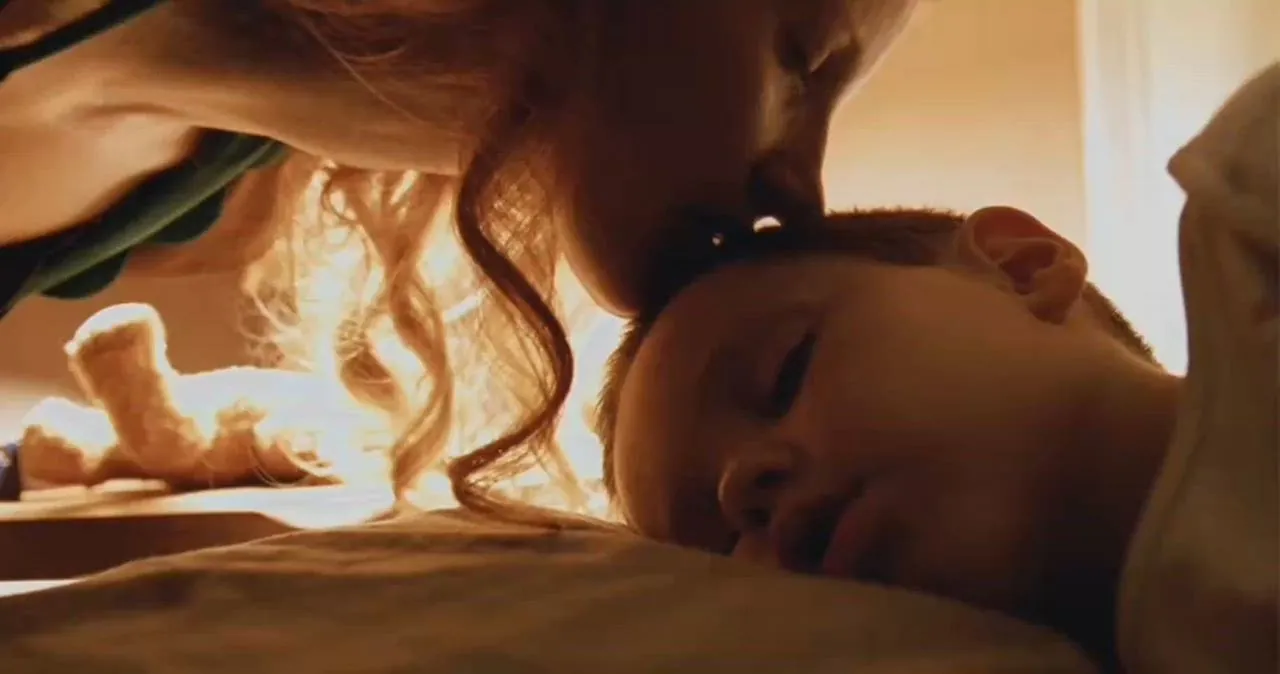
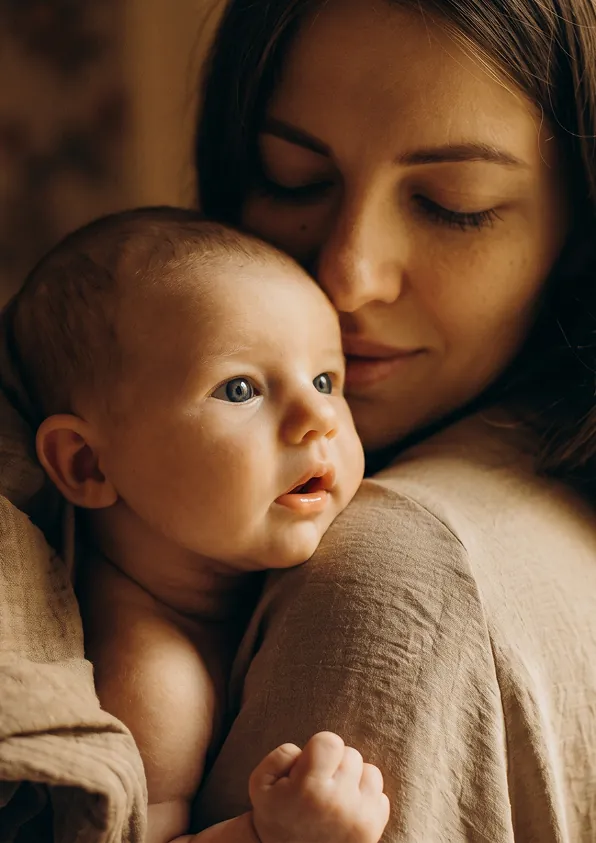
Concept illustration: Adult kissing an infant's head
Concept · Adult kissing an infant's head.

Destination 18

Attachment & secure relationships

The closeness from which every exploration begins. Discover responsive care, trust and belonging, and what helps a child feel safe enough to venture out.

Discover moreClose destination

Continent V · Self & Relationships · editorial proposal

“What helps a child feel safe enough to explore?”

Responsive care, trust, belonging.

Familiar adults and responsive exchanges provide a context for exploring trust. A brief observation cannot establish an attachment classification.

The child · Editorial proposal

What an adult may notice
  • Observe a back-and-forth exchange with a familiar adult.
  • Separate what is visible from assumptions about trust or attachment.
Age-aware questions · editorial examples
0–3
An adult-guided observation of attachment & secure relationships within familiar everyday care. Suitability and specialist interpretation remain to be reviewed.
3–6
Notice turn-taking in a shared moment. Follow the child’s chosen activity and consider what support is needed.
6–12
Future scope: investigate how attachment & secure relationships might connect with shared inquiry and wider experience.
12–18
Future scope: explore possible links with identity, responsibility and community; specialist coverage is not confirmed.
Practical experience previews
  • Notice turn-taking in a shared moment
  • Reflect on the adult’s response

Preview topics only. Practical instructions, suitability, adaptations and safety conditions require specialist review before release.

Evidence and review status

Domain-specific evidence and specialist review pending. No reviewer or review date has been assigned. This is a learning ontology, not a validated assessment.

How knowledge will be reviewed →

Professional learning is separately offered through Pathways →

Questions to explore
  • What helps a child feel safe enough to explore?
  • What might an adult observe before offering help?
  • How could the environment or cultural context change what we notice?

Nearby destinations

Social development & empathyPrepared adult & responsive caregivingAttention & concentration

Explore the proposed Collection chapter →

Get Guide Priority Access →

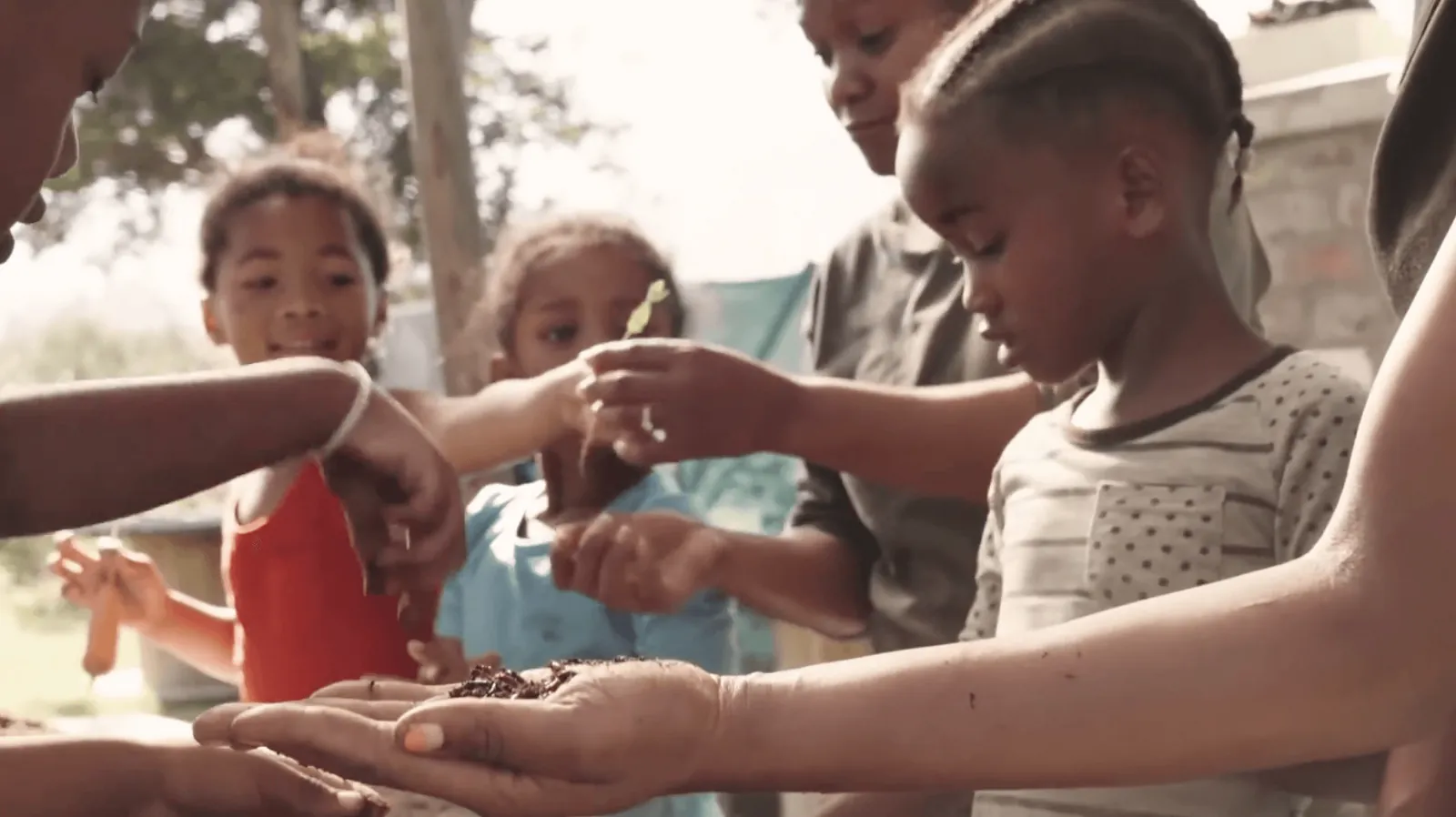
Children sharing an outdoor hands-on activity
Make room for discovery.

Destination 19

Social development & empathy

Hands meeting over a shared discovery. Explore cooperation, grace and courtesy, and the daily practice through which children learn to live alongside others.

Discover moreClose destination

Continent V · Self & Relationships · editorial proposal

“How do children learn to live with others?”

Cooperation, grace/courtesy, peer relations.

Shared activities invite questions about participation, turn-taking and the adult’s example. Social difference is not a deficit to be scored.

The child · Editorial proposal

What an adult may notice
  • Notice how a shared activity begins and how turns are negotiated.
  • Consider what adult examples and support are present.
Age-aware questions · editorial examples
0–3
An adult-guided observation of social development & empathy within familiar everyday care. Suitability and specialist interpretation remain to be reviewed.
3–6
Notice turn-taking in a shared moment. Follow the child’s chosen activity and consider what support is needed.
6–12
Future scope: investigate how social development & empathy might connect with shared inquiry and wider experience.
12–18
Future scope: explore possible links with identity, responsibility and community; specialist coverage is not confirmed.
Practical experience previews
  • Notice turn-taking in a shared moment
  • Reflect on the adult’s response

Preview topics only. Practical instructions, suitability, adaptations and safety conditions require specialist review before release.

Evidence and review status

Domain-specific evidence and specialist review pending. No reviewer or review date has been assigned. This is a learning ontology, not a validated assessment.

How knowledge will be reviewed →

Professional learning is separately offered through Pathways →

Questions to explore
  • How do children learn to live with others?
  • What might an adult observe before offering help?
  • How could the environment or cultural context change what we notice?

Nearby destinations

Agency, identity & independencePrepared adult & responsive caregivingAttention & concentration

Explore the proposed Collection chapter →

Get Guide Priority Access →
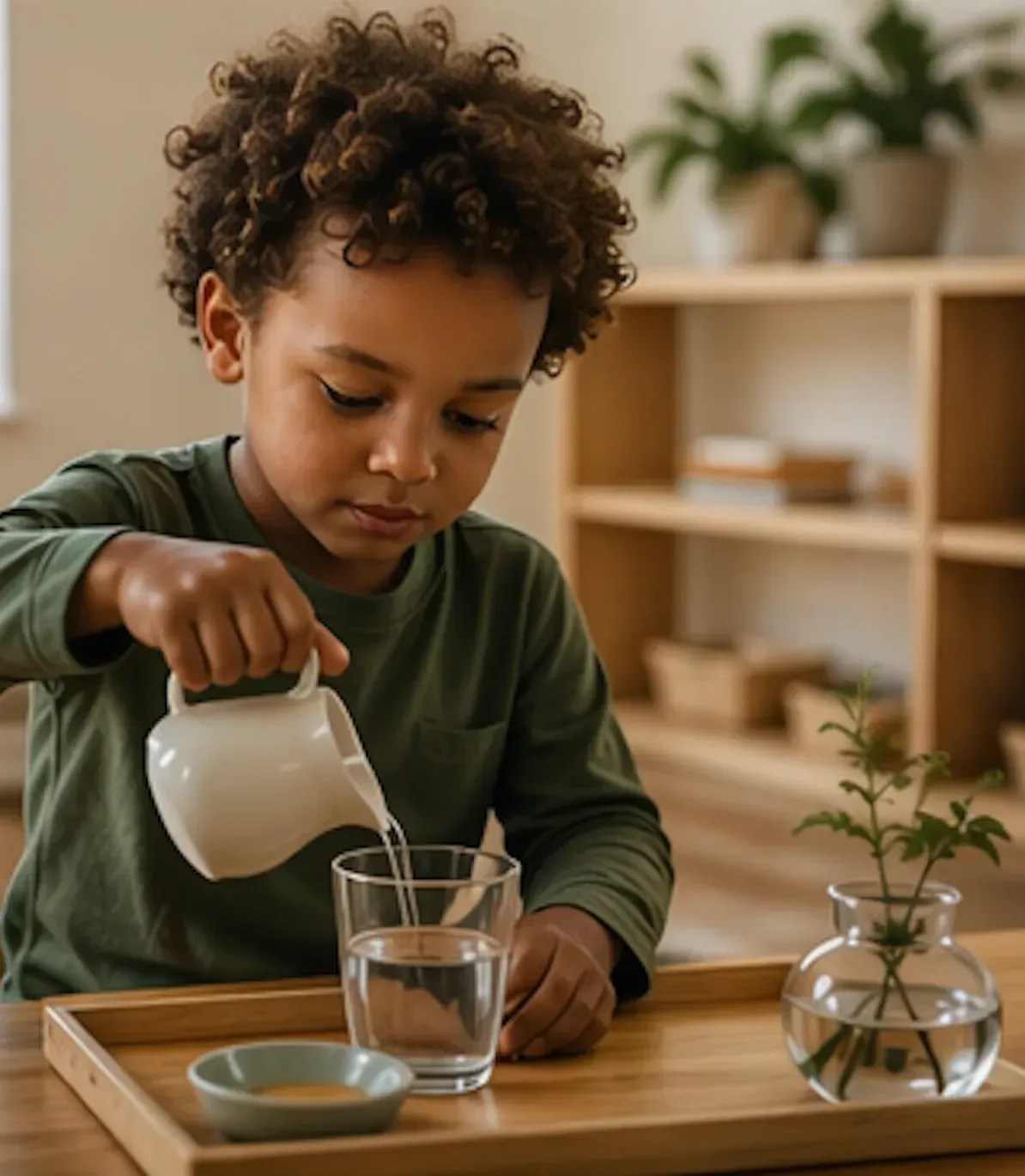
Concept illustration: Child pouring from a jug into a glass
Concept · A small task. A growing sense of independence.

Destination 20

Agency, identity & independence

A jug, a glass, a steady pour. Explore autonomy and responsibility, and how freedom and thoughtful limits work together as a child takes on more.

Discover moreClose destination

Continent V · Self & Relationships · editorial proposal

“How do freedom and limits work together?”

Autonomy, self-efficacy, responsibility.

Choice and responsibility are experienced within relationships and limits. Agency can include asking for support, not only completing a task unaided.

The child · Editorial proposal

What an adult may notice
  • Notice what can be chosen and what limits are clear.
  • Describe requests for help as part of participation.
Age-aware questions · editorial examples
0–3
An adult-guided observation of agency, identity & independence within familiar everyday care. Suitability and specialist interpretation remain to be reviewed.
3–6
Notice turn-taking in a shared moment. Follow the child’s chosen activity and consider what support is needed.
6–12
Future scope: investigate how agency, identity & independence might connect with shared inquiry and wider experience.
12–18
Future scope: explore possible links with identity, responsibility and community; specialist coverage is not confirmed.
Practical experience previews
  • Notice turn-taking in a shared moment
  • Reflect on the adult’s response

Preview topics only. Practical instructions, suitability, adaptations and safety conditions require specialist review before release.

Evidence and review status

Domain-specific evidence and specialist review pending. No reviewer or review date has been assigned. This is a learning ontology, not a validated assessment.

How knowledge will be reviewed →

Professional learning is separately offered through Pathways →

Questions to explore
  • How do freedom and limits work together?
  • What might an adult observe before offering help?
  • How could the environment or cultural context change what we notice?

Nearby destinations

Emotional developmentPrepared adult & responsive caregivingAttention & concentration

Explore the proposed Collection chapter →

Get Guide Priority Access →
Continent VI

World & Enabling Environments

Not abilities of the child, but the world around them: the prepared adult, the prepared space, nature and community.

4 destinations

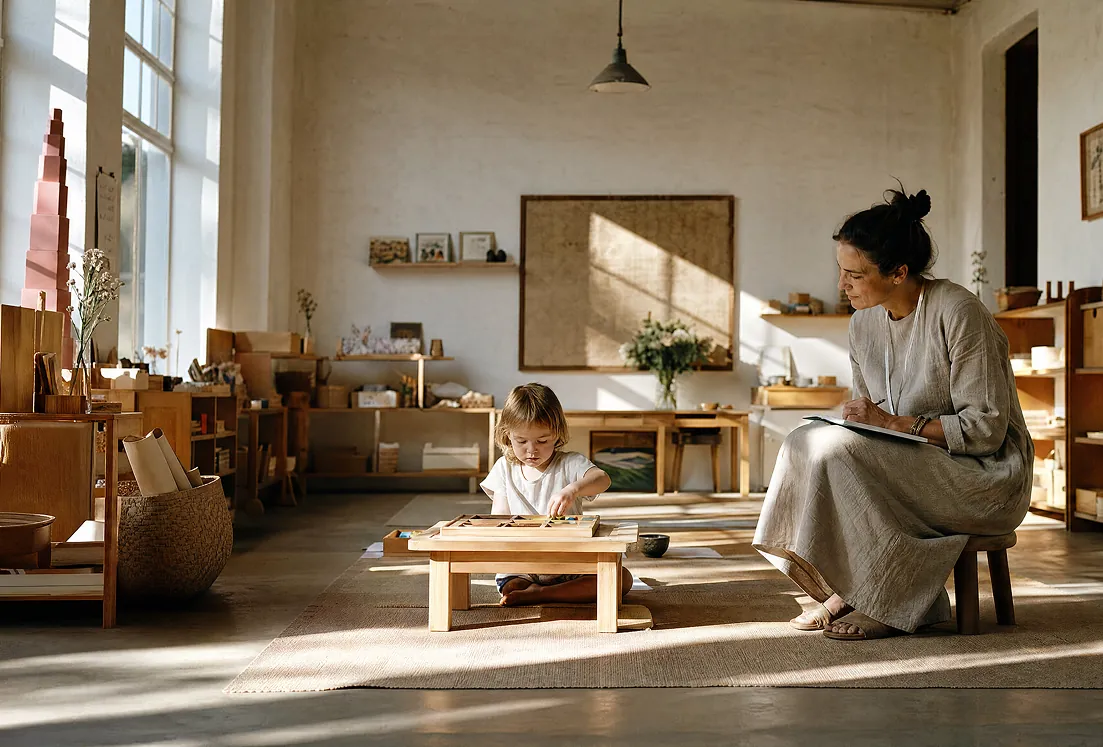
Concept illustration: Adult observing a child in a spacious classroom
Concept · Adult observing a child in a spacious classroom.

Destination 21

Prepared adult & responsive caregiving

In a sunlit room, an adult watches before acting. A destination for the guide in every adult: observation, self-awareness and reflective response.

Discover moreClose destination

Continent VI · World & Enabling Environments · editorial proposal

“How do adults become better observers and guides?”

Adult observation, awareness, reflective interaction.

This dimension concerns the adult, not a trait of the child. Observation, availability and reflective responses belong within the conditions for learning.

The world around the child · Editorial proposal

What an adult may notice
  • Notice when the adult watches, speaks, waits or intervenes.
  • Reflect on how expectations shaped the interpretation.
Age-aware questions · editorial examples
0–3
An adult-guided observation of prepared adult & responsive caregiving within familiar everyday care. Suitability and specialist interpretation remain to be reviewed.
3–6
Review the space from the child’s perspective. Follow the child’s chosen activity and consider what support is needed.
6–12
Future scope: investigate how prepared adult & responsive caregiving might connect with shared inquiry and wider experience.
12–18
Future scope: explore possible links with identity, responsibility and community; specialist coverage is not confirmed.
Practical experience previews
  • Review the space from the child’s perspective
  • Connect a local place with a question to explore

Preview topics only. Practical instructions, suitability, adaptations and safety conditions require specialist review before release.

Evidence and review status

Domain-specific evidence and specialist review pending. No reviewer or review date has been assigned. This is a learning ontology, not a validated assessment.

How knowledge will be reviewed →

Professional learning is separately offered through Pathways →

Questions to explore
  • How do adults become better observers and guides?
  • What might an adult observe before offering help?
  • How could the environment or cultural context change what we notice?

Nearby destinations

Prepared spaces & material environmentsPrepared spaces & material environmentsAttention & concentration

Explore the proposed Collection chapter →

Get Guide Priority Access →
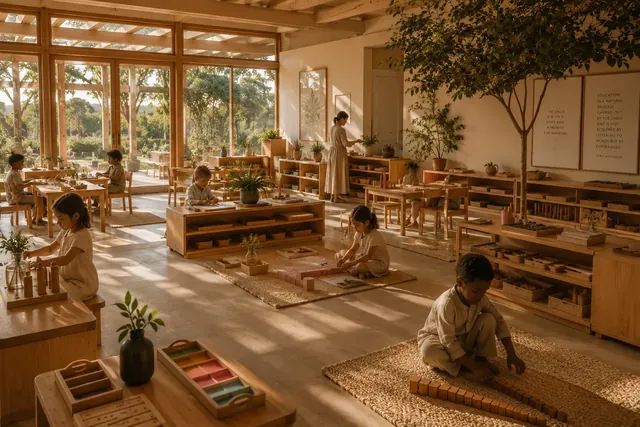
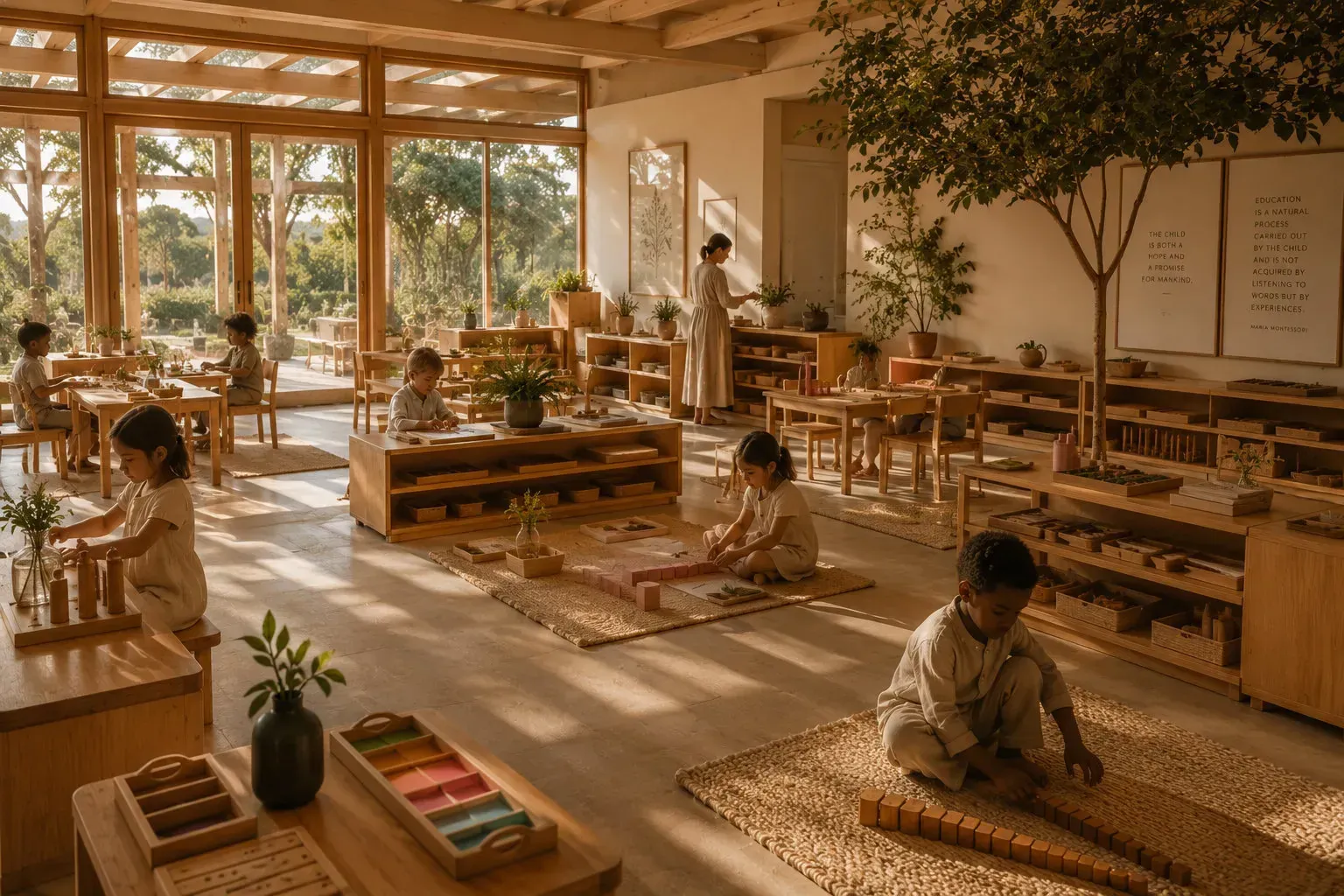
Concept illustration: Sunlit classroom with low shelves and children
Concept · Sunlit classroom with low shelves and children.

Destination 22

Prepared spaces & material environments

Low shelves, natural light, every material within reach. Discover what a carefully ordered room can teach without an adult saying a word.

Discover moreClose destination

Continent VI · World & Enabling Environments · editorial proposal

“What can a room teach without an adult speaking?”

Order, accessible tools, environmental design.

This dimension concerns the setting. Access, order, materials and cultural context invite different forms of participation; no single room is the universal model.

The world around the child · Editorial proposal

What an adult may notice
  • Look at the setting from different heights and access needs.
  • Describe what can be reached, seen, chosen or moved.
Age-aware questions · editorial examples
0–3
An adult-guided observation of prepared spaces & material environments within familiar everyday care. Suitability and specialist interpretation remain to be reviewed.
3–6
Review the space from the child’s perspective. Follow the child’s chosen activity and consider what support is needed.
6–12
Future scope: investigate how prepared spaces & material environments might connect with shared inquiry and wider experience.
12–18
Future scope: explore possible links with identity, responsibility and community; specialist coverage is not confirmed.
Practical experience previews
  • Review the space from the child’s perspective
  • Connect a local place with a question to explore

Preview topics only. Practical instructions, suitability, adaptations and safety conditions require specialist review before release.

Evidence and review status

Domain-specific evidence and specialist review pending. No reviewer or review date has been assigned. This is a learning ontology, not a validated assessment.

How knowledge will be reviewed →

Professional learning is separately offered through Pathways →

Questions to explore
  • What can a room teach without an adult speaking?
  • What might an adult observe before offering help?
  • How could the environment or cultural context change what we notice?

Nearby destinations

Nature, ecology & stewardshipPrepared adult & responsive caregivingAttention & concentration

Explore the proposed Collection chapter →

Get Guide Priority Access →
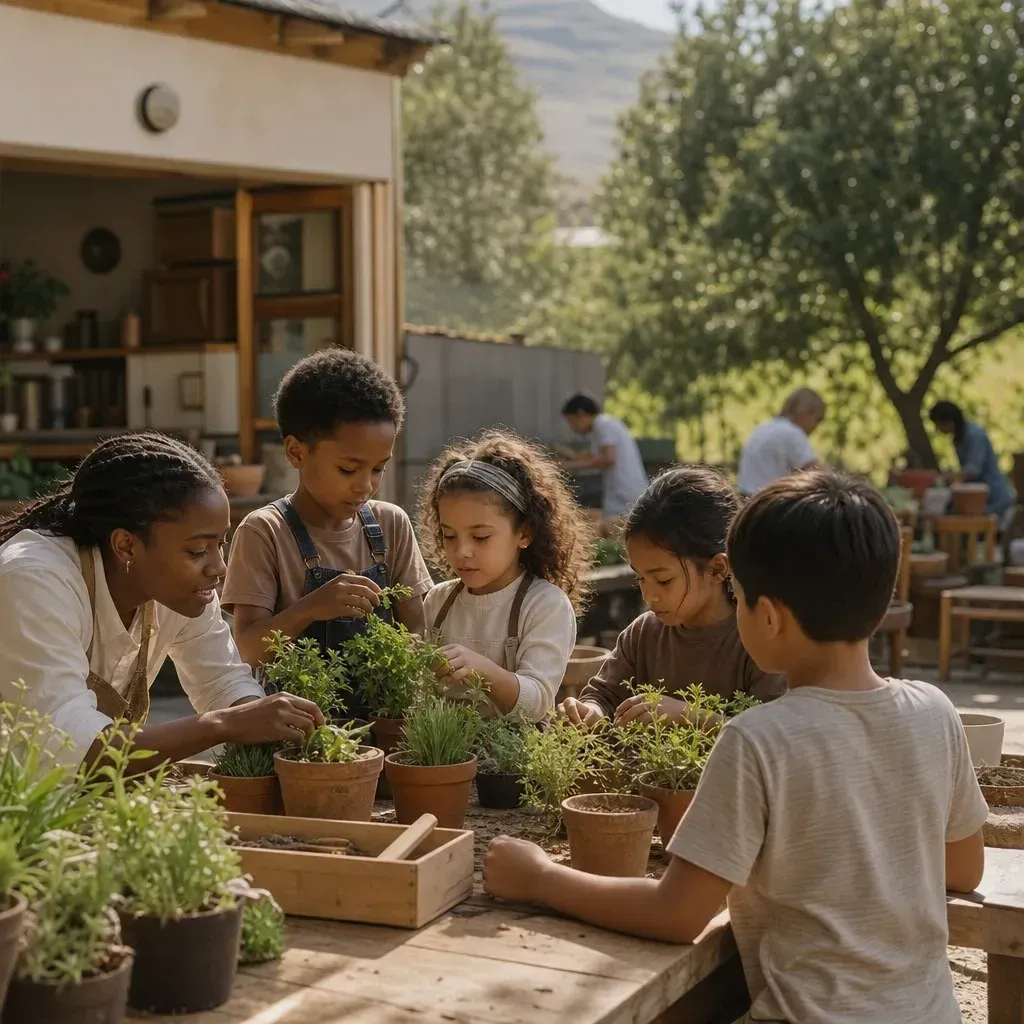
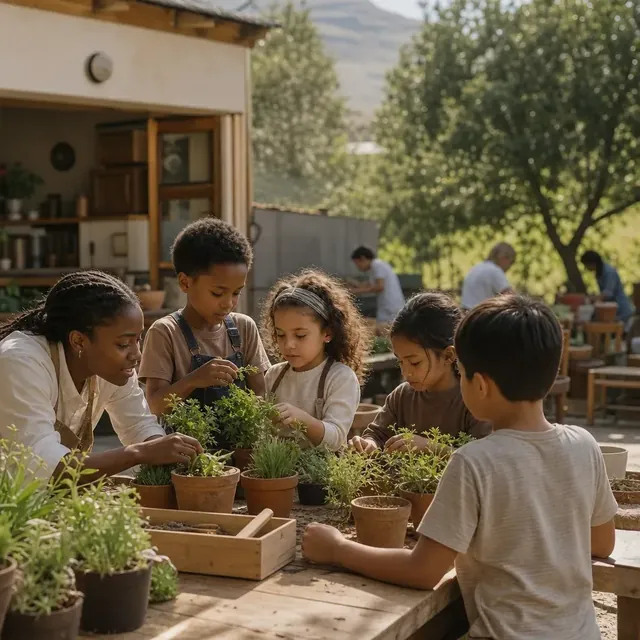
Concept illustration: Children gathered around plants outdoors
Concept · Small hands, living things.

Destination 23

Nature, ecology & stewardship

Seedlings, soil and many small hands at work. Explore how the outdoors invites discovery, care for living things and a growing sense of responsibility.

Discover moreClose destination

Continent VI · World & Enabling Environments · editorial proposal

“How does nature invite discovery and care?”

Outdoors, living systems, environmental responsibility.

Nature offers questions about living things, place and responsibility. Urban, rural and indoor settings can invite different locally meaningful encounters.

The world around the child · Editorial proposal

What an adult may notice
  • Notice local living things and opportunities to care for them.
  • Consider access, safety and the meaning of the place.
Age-aware questions · editorial examples
0–3
An adult-guided observation of nature, ecology & stewardship within familiar everyday care. Suitability and specialist interpretation remain to be reviewed.
3–6
Review the space from the child’s perspective. Follow the child’s chosen activity and consider what support is needed.
6–12
Future scope: investigate how nature, ecology & stewardship might connect with shared inquiry and wider experience.
12–18
Future scope: explore possible links with identity, responsibility and community; specialist coverage is not confirmed.
Practical experience previews
  • Review the space from the child’s perspective
  • Connect a local place with a question to explore

Preview topics only. Practical instructions, suitability, adaptations and safety conditions require specialist review before release.

Evidence and review status

Domain-specific evidence and specialist review pending. No reviewer or review date has been assigned. This is a learning ontology, not a validated assessment.

How knowledge will be reviewed →

Professional learning is separately offered through Pathways →

Questions to explore
  • How does nature invite discovery and care?
  • What might an adult observe before offering help?
  • How could the environment or cultural context change what we notice?

Nearby destinations

Gross movementCuriosity & inquiryCommunity, society & the wider world

Explore the proposed Collection chapter →

Get Guide Priority Access →
Concept illustration: Children walking through a garden gateway
Concept · Out into the wider world.

Destination 24

Community, society & the wider world

Through the garden gate and out into the world. Explore family, culture and community, and how a child discovers a place among others.

Discover moreClose destination

Continent VI · World & Enabling Environments · editorial proposal

“How does a child discover their place in the world?”

Family, culture, ethical participation, community.

The child’s wider world includes family, community, culture and shared responsibility. Explore belonging without prescribing one model of family or community.

The world around the child · Editorial proposal

What an adult may notice
  • Notice whose stories, places and traditions are represented.
  • Consider how a shared responsibility invites participation.
Age-aware questions · editorial examples
0–3
An adult-guided observation of community, society & the wider world within familiar everyday care. Suitability and specialist interpretation remain to be reviewed.
3–6
Review the space from the child’s perspective. Follow the child’s chosen activity and consider what support is needed.
6–12
Future scope: investigate how community, society & the wider world might connect with shared inquiry and wider experience.
12–18
Future scope: explore possible links with identity, responsibility and community; specialist coverage is not confirmed.
Practical experience previews
  • Review the space from the child’s perspective
  • Connect a local place with a question to explore

Preview topics only. Practical instructions, suitability, adaptations and safety conditions require specialist review before release.

Evidence and review status

Domain-specific evidence and specialist review pending. No reviewer or review date has been assigned. This is a learning ontology, not a validated assessment.

How knowledge will be reviewed →

Professional learning is separately offered through Pathways →

Questions to explore
  • How does a child discover their place in the world?
  • What might an adult observe before offering help?
  • How could the environment or cultural context change what we notice?

Nearby destinations

Prepared adult & responsive caregivingPrepared adult & responsive caregivingAttention & concentration

Explore the proposed Collection chapter →

Get Guide Priority Access →
Most destination images are conceptual illustrations chosen to evoke each theme. They do not depict Indaba programmes, named people or measured outcomes.

The whole child

The Whole Child. In the Whole World.

Language, movement, confidence and concentration are encountered within relationships and environments. These proposed lenses help us ask connected questions, not score a child’s development.

Within culture and communityThe environmentRelationshipsThe adultThe child
  1. 01The child
  2. 02The adult
  3. 03Relationships
  4. 04The environment

All four sit within culture and community. This is an educational framework, not diagnostic advice.

Connections

Everything Is Connected.

Choose a route through the proposed framework. The lines are editorial links—not developmental scores or causal measurements.

Fine motor skillsAttention &concentrationPrepared spaces& materialenvironmentsAgency, identity& independencePrepared adult &responsivecaregiving

A familiar task

A hand movement, a chosen task and an accessible space offer different perspectives on the same moment. These links invite observation; they do not assert a measured causal effect.

Connection explanation awaiting domain review. The linked list is the accessible alternative to the diagram.

A moment of connection

Relationships and routines offer context for interpreting a moment of attention or emotion. A single behaviour cannot establish its cause.

Connection explanation awaiting domain review. The linked list is the accessible alternative to the diagram.

A story shared

A familiar story can open questions about language, relationship, culture and imagination. The meaning depends on the child and their setting.

Connection explanation awaiting domain review. The linked list is the accessible alternative to the diagram.

One question, five lenses

Follow a Question.

“Why does a child return to the same activity?”

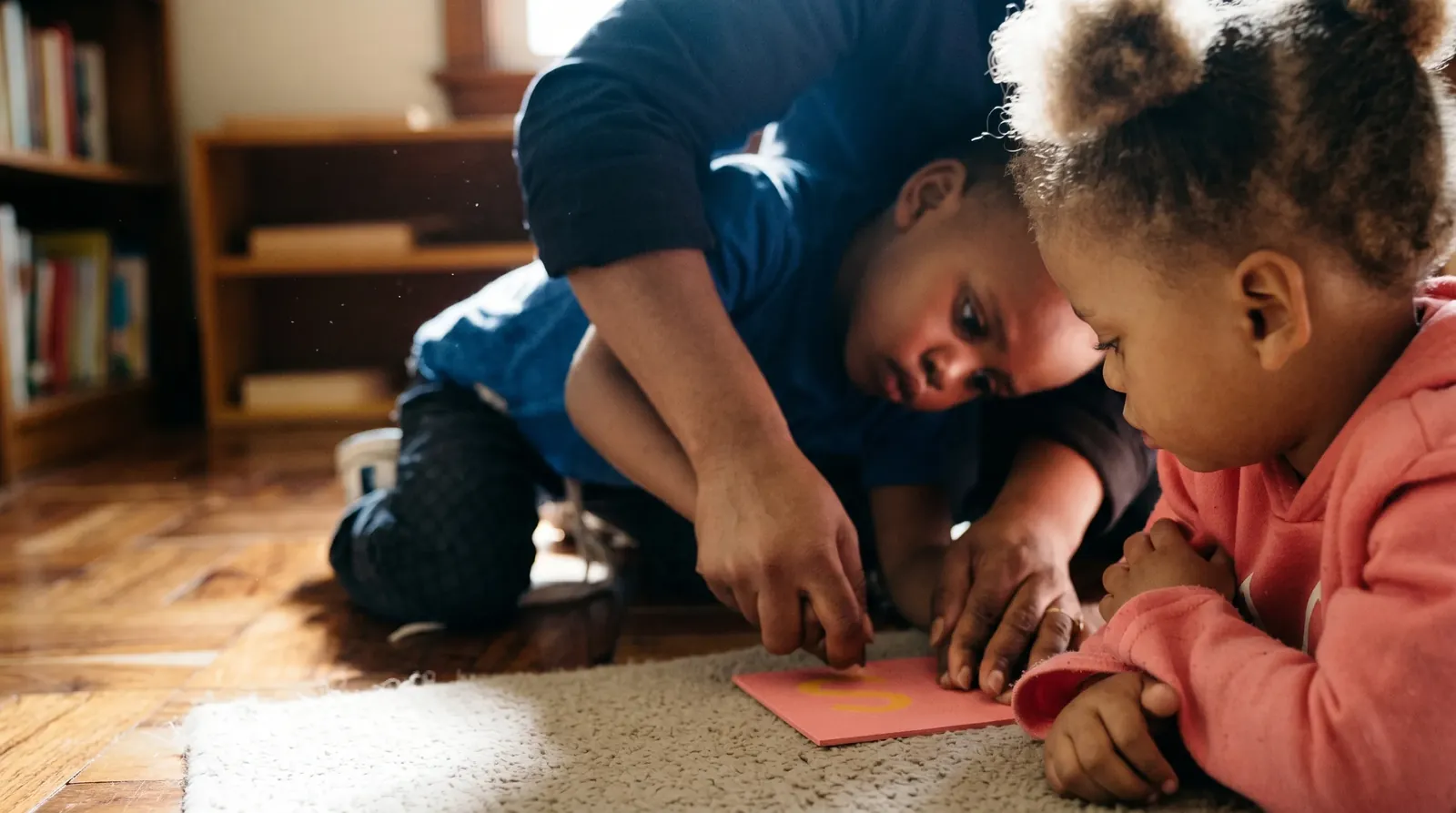
Adult leaning alongside a child working on the floor (wider, sharper frame)
Learning begins with attention.

Begin with what is observable. Then consider five lenses instead of reaching for one explanation.

  1. Attention & concentration

    What seems to hold interest?

  2. Fine motor skills

    What is happening in the hands?

  3. Agency, identity & independence

    What can the child choose?

  4. Prepared spaces & material environments

    What does the space make possible?

  5. Prepared adult & responsive caregiving

    When and how does the adult respond?

See the scripted Guide example →

Age lenses

What Changes With Age.

Broad contexts for asking better questions—not deadlines, milestones or comparisons between children.

0–3 · editorial example

Everyday care is a place to notice.

How do familiar adults respond to signals? What room is there for safe participation in daily care?

3–6 · editorial example

Choice, repetition and the environment.

Which activities invite return? How do accessible materials and the adult’s response shape the moment?

6–12 · future scope · editorial example

Wider questions and shared inquiry.

What questions could connect concrete experiences, imagination and community? Specialist-led scope is still to be developed.

12–18 · future scope · editorial example

Responsibility, identity and belonging.

How could meaningful contribution connect learning with the wider world? Coverage is a later-stage ambition.

Development varies. Disability, culture and individual circumstances matter. This preview offers no clinical guidance or child assessment.

Observation

Observe Before You Intervene.

The same moment can invite different interpretations.

“The child returned to the same material three times.”

Interpretation

“They must be bored.”

This adds an explanation the observation alone cannot establish.

A question instead

“What draws them back?”

Notice the action, surroundings and adult response before reaching a conclusion.

Prepared spaces · concept

What Can a Room Invite?

A conceptual prepared-space study. Open a feature to explore the adult’s questions.

Concept room with a low shelf, open floor, child-sized table and window01 · Reach02 · Movement03 · Participation04 · Light & context
01 · Reach

What can the child access without unnecessary help? Review the suitability and safety of what is within reach.

02 · Movement

Is there room to move comfortably, with accessibility needs considered?

03 · Participation

How does the furniture invite purposeful involvement? No dimensions or safety certification are implied by this sketch.

04 · Light & context

Consider visibility, comfort and the realities of the local setting. A prepared environment need not look like this room.

Concept screens

One Question. Many Perspectives.

Eight concept screens make the intended journey tangible. These are website previews, not access to the paid app.

  1. 01 · Illustrative concept

    Find Your Way Through Childhood.

    Explore six proposed families across child and environment.

    Continent VI

    The World Around

    Not abilities of the child, but the world around them.

    Destination

    The prepared space

    Destination

    Nature and community

    Design concept · not a working app

    Planned product experience · concept

  2. 02 · Illustrative concept

    Pause on One Meaningful Dimension.

    Open a plain-language explanation with observation prompts.

    Mind & Learning · destination

    What holds their interest?

    Attention and concentration: notice a child returning to a chosen task.

    DefinitionA lens for learning, not a score

    ObserveContext before interpretation

    NearbyAtlas

    Fine motor skillsPrepared environmentAgency
    Design concept · not a working appSpecialist validation pending.

    Planned product experience · concept

  3. 03 · Illustrative concept

    Follow the Connections Between Ideas.

    Discover related themes without ranking or scoring children.

    Connections

    One moment.
    Many lenses.

    Follow one idea into the next. Connections to explore, never a ranking of children.

    From attention

    The prepared environment

    From agency

    The prepared adult

    Design concept · not a working app

    Planned product experience · concept

  4. 04 · Illustrative concept

    Keep Development and Context in View.

    Explore broad stage questions without milestone deadlines.

    Through the years

    A lens. Not a timetable.

    0–33–66–1212–18

    3 to 6 years

    Participation and choice.

    Broad questions for this stage, never deadlines for a child.

    Question

    How does independence grow?

    Question

    What makes a task worth repeating?

    Design concept · not a working appLater stages, 6–12 and 12–18, are scope to confirm.

    Planned product experience · concept

  5. 05 · Illustrative concept

    Begin With What You Can Observe.

    Separate an observation from an assumption about the child.

    New observation

    Look again.

    What I saw

    Returned to the same task, again and again.

    What I assumed

    Must be bored.

    A better question

    What seems to draw the interest?

    AttentionPractical lifeRepetition
    Save observation
    Design concept · not a working appNo child data is collected or stored here.

    Planned product experience · concept

  6. 06 · Illustrative concept

    Connect a Question With Everyday Practice.

    Preview how a theme could lead to a reviewed activity.

    From the atlas

    Attention · environment

    From attention to environment.

    ConsiderAccessible materials

    ReflectInterruptions and adult help

    A question to carry

    What does this space invite a child to do?

    Design concept · not a working appRelease requires specialist safety review.

    Planned product experience · concept

  7. 07 · Illustrative concept

    Let One Question Lead Somewhere Useful.

    Find an explanation, related ideas and source context.

    Begin here

    UnderstandThe adult’s role

    ObserveWhat the child is attempting

    ExploreIndependence and environment

    Related destinationsAtlas

    V

    Agency

    VI

    Prepared space

    Design concept · not a working appQuestion discovery is planned; this is a scripted concept.

    Planned product experience · concept

  8. 08 · Illustrative concept

    Discover a Montessori Way of Looking.

    Connect child, adult and environment through a shared learning question.

    Montessori lens

    Child. Adult. Environment.

    ChildA purposeful activity

    AdultAttentive observation

    EnvironmentSpace for participation

    Design concept · not a working app

    Planned product experience · concept

Sources & limits

Grounded in More Than One Discipline.

A transparent synthesis needs to show both its sources and its limits.

01

Montessori

A pedagogical lens on the child, prepared adult and environment. Professional training follows its own requirements.

AMI training context ↗︎
02

Nurturing Care

Five connected supports: health, nutrition, safety, responsive caregiving and opportunities to learn.

Read the framework ↗︎
04

Indaba field practice

Practice raises questions for research and reflection. Programme evidence and limitations must be documented separately.

Explore the Institute ↗︎

These are background references, not endorsements of Guide or validation of the proposed 24 dimensions. Dimension-specific sources and reviewers are still to be assigned.

Editorial review

How We Build and Review Knowledge.

An intended editorial procedure—not a claim that these previews have already been reviewed.

  1. Define in plain, culturally translatable language.
  2. Map stage, context and learner need.
  3. Identify primary sources and evidence quality.
  4. Commission specialist interpretation and counter-review.
  5. Describe appropriate observation cues.
  6. Review activities, accessibility and safety conditions.
  7. Explain related dimensions and limitations.
  8. Translate with terminology and cultural review.
  9. Record reviewer, date, version and known limits.
  10. Revise with evidence and practitioner feedback.

Editorial architect → domain expert → pedagogical reviewer → safeguarding/clinical reviewer where needed → localisation reviewer → release owner. Specialist coverage and named reviewers remain to be confirmed.

Languages

Knowledge Has No Single Language.

Multilingual discovery means carrying meaning with care, through terminology, cultural context and human review.

Source example · English

Observe before offering help.

Notice the child’s chosen activity and the place of the adult.

Term
Prepared environment
Planned formats
Subtitles · transcript · activity guidance · source notes

Observer avant de proposer son aide.

Observer l’activité choisie par l’enfant et la place de l’adulte.

Terme
Environnement préparé

Concept translation; terminology and cultural review pending. This is not a list of supported launch languages.

Source transcript → terminology dictionary → translation → expert and cultural review → subtitles and voice → mobile/accessibility QA → controlled release.

A connected path

One Insight Opens the Door to Another.

A practical task invites questions about movement and attention; those questions can lead us to consider independence and the adult’s role. These are connections to explore, not a fixed sequence of milestones.

From questions

From Questions to Experiences.

Three illustrative ways a question could lead into Guide.

Why does my child repeat the same task?

Insight + observation · concept preview

Insight

Repetition

Again.
And again.

A child returns to a familiar task. What might be happening?

NoticeWhat actually happens?

ConsiderInterest, familiarity, context

ConnectAttention, movement, agency

Observe without turning one moment into a conclusion.

Design concept · not a working app

How do I help without taking over?

Demonstration + adult role · concept preview

Demonstration

Practical life · storyboard

Every movement has meaning.

010203
  1. Prepare the materialEverything in its place, within reach.
  2. Observe a presentationSlow, clear movements, few words.
  3. Notice the child’s responseWhat does the child try next?

Your roleShow once, then step back.

Design concept · not a working appSequence concept; no video playback.

What does a prepared environment look like?

Expert-led lesson + reflection · concept preview

Masterclass

Masterclass

The art of observation.

Expert-led lesson · contributor to be confirmed

01Describe before interpreting

02Observe the environment

03Reflect on the adult’s role

Design concept · not a working appNo instructor or recorded class is confirmed.

Discover How Guide Works

The adult’s role

Understanding the Child Begins With the Adult.

Holistic learning does not mean knowing everything. It means learning to observe thoughtfully, recognise connections and respond with care.

Discover Our Approach

Priority access

A World of Discovery Is Taking Shape.

Guide is being developed as a paid experience.

In development · a paid learning experience

So the Children in Your Life Can Flourish.

Join our priority list for product news, membership details and an invitation to consider a founding offer when it is ready.

Get Priority AccessDiscover the Montessori Collection

Guide will be a paid product. Registering interest grants no product access and creates no payment or purchase obligation. Prices, benefits and launch timing are not yet confirmed.

Planned product experience. No account, lesson or AI service is available in this screen.