
Our Expertise

The Art and Science of Human Development.

Exceptional early childhood education comes from more than content. It is shaped by observation, preparation, practice and a deep respect for the developing child. Indaba turns that knowledge into accessible learning experiences and systems that can be passed on across communities.

Discover the Indaba MethodMeet the Institute

Concept illustration: Adults studying in a timber library interior
Concept · Adults studying in a timber library interior.

01Rooted in what works

Knowledge Made Useful.

Our approach draws on Montessori and the wider field of child development, informed by educators working in real classrooms, homes and communities. We aim to make sound principles clear enough to understand and practical enough to use.

Eight principles run through everything we design, from respect for the child to freedom within limits.

Discover the Indaba Method

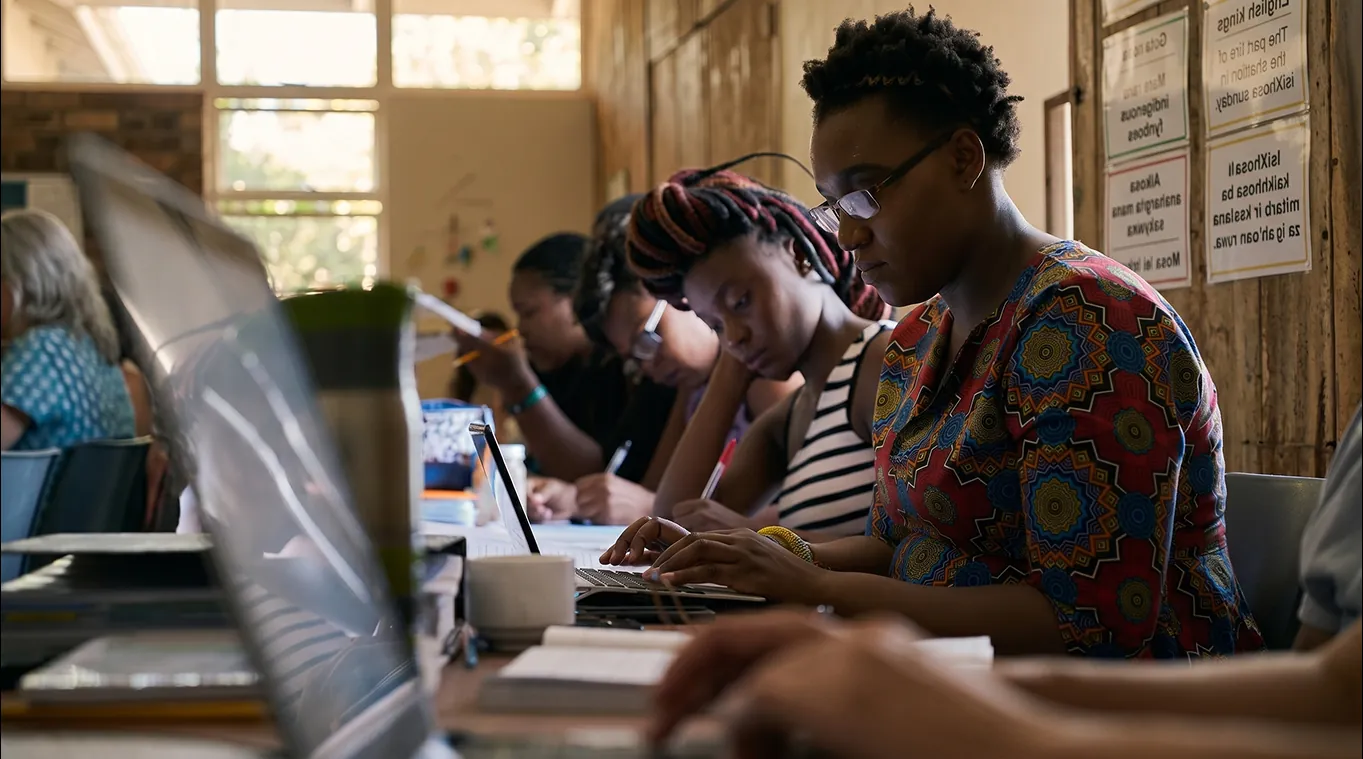
Adults studying with laptops and notebooks
The preparation of the adult begins with attention.

02The craft of learning

Carefully Designed. Continuously Refined.

A good learning experience changes what an adult notices, understands and does. We design content and pathways around meaningful practice, reflection and the realities of daily life, not information transfer alone.

Concept illustration: Printed cards displayed in a wooden tray
Concept · Printed cards displayed in a wooden tray.
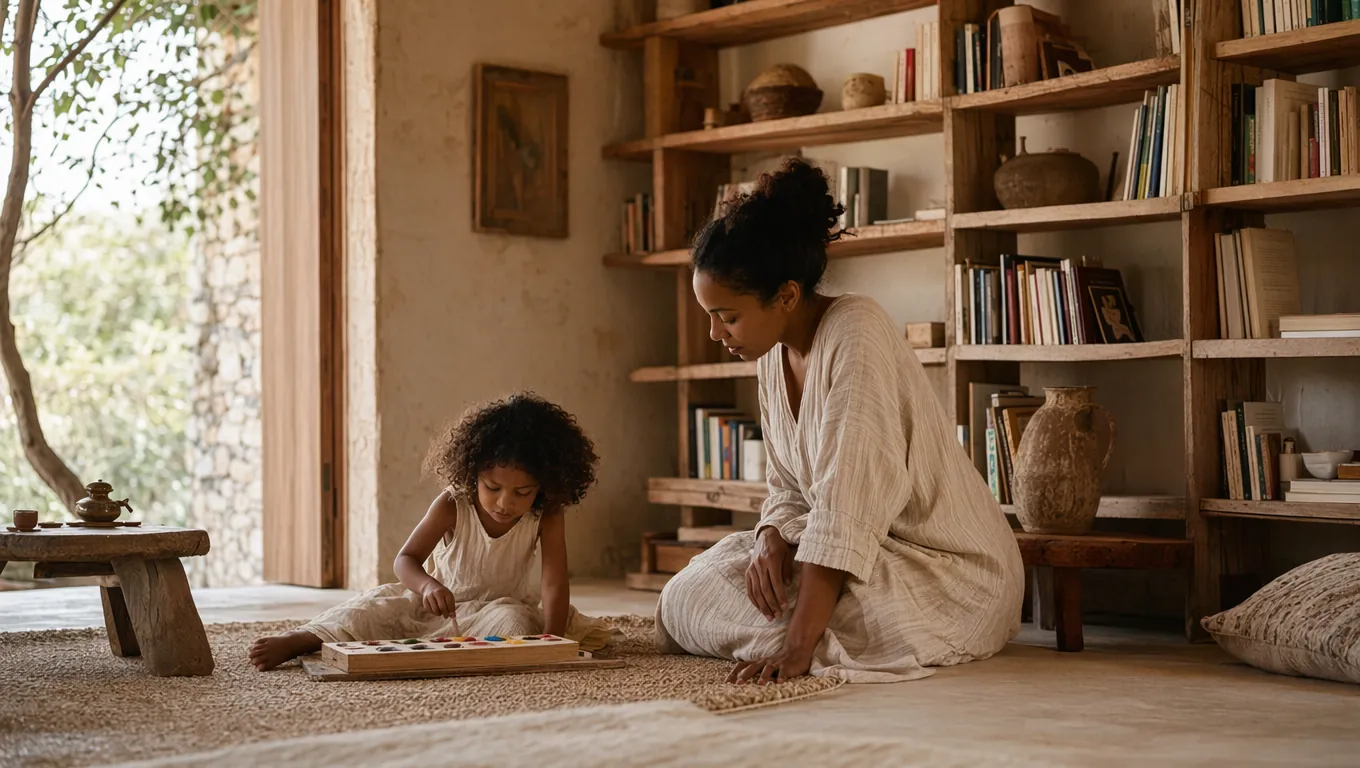
Concept illustration: Adult seated beside a child working on a floor tray in a book-lined room
Concept · An adult close by, a child at work.
  1. 01

    Learn

    One clear idea at a time, in plain language.

  2. 02

    Apply

    Try it in a real home, care setting or classroom.

  3. 03

    Observe

    Watch how the child responds before drawing conclusions.

  4. 04

    Reflect

    Talk it through with peers or a facilitator, and adjust.

03The human experts

The People Behind the Practice.

Experienced educators, trainers, local facilitators, curriculum developers and technology specialists bring different forms of expertise to the same ambition.

  • Educators & trainers

    Deep preparation

    Montessori-trained educators who prepare other adults, through the programmes of the Indaba Institute.

  • Local facilitators

    Close to the work

    Practitioners who support teachers and caregivers where they work, and keep standards alive between trainings.

  • Curriculum developers

    Clarity and coherence

    People who turn principles into learning that is useful, accurate and faithful to the child.

  • Technology specialists

    Tools that serve

    Builders who make learning easier to reach and revisit, without getting between adults and children.

Meet the team

04The Institute

Where Excellence Is Protected and Passed On.

The Indaba Institute develops educational knowledge, trains educators and facilitators, and supports the standards needed for quality to endure. It is the pedagogical engine and source of expert practice behind our wider products and deployments.

Visit the Indaba Institute (another Indaba site)About the Institute

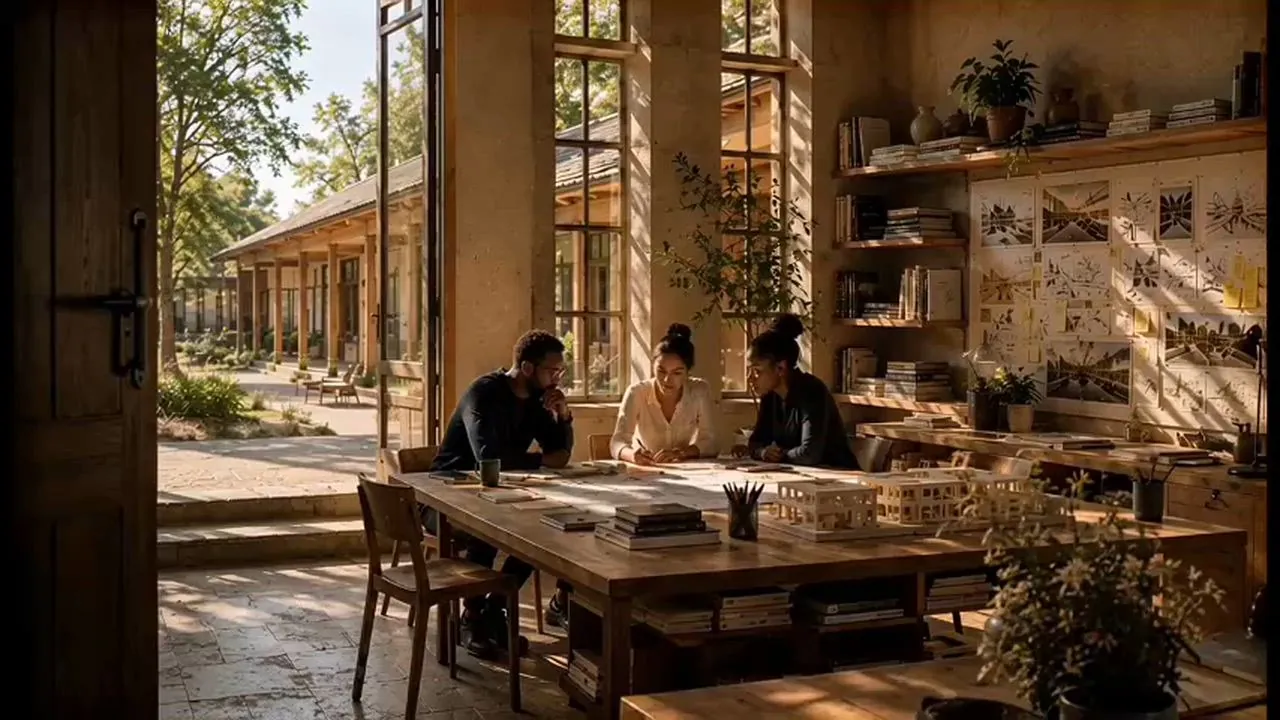
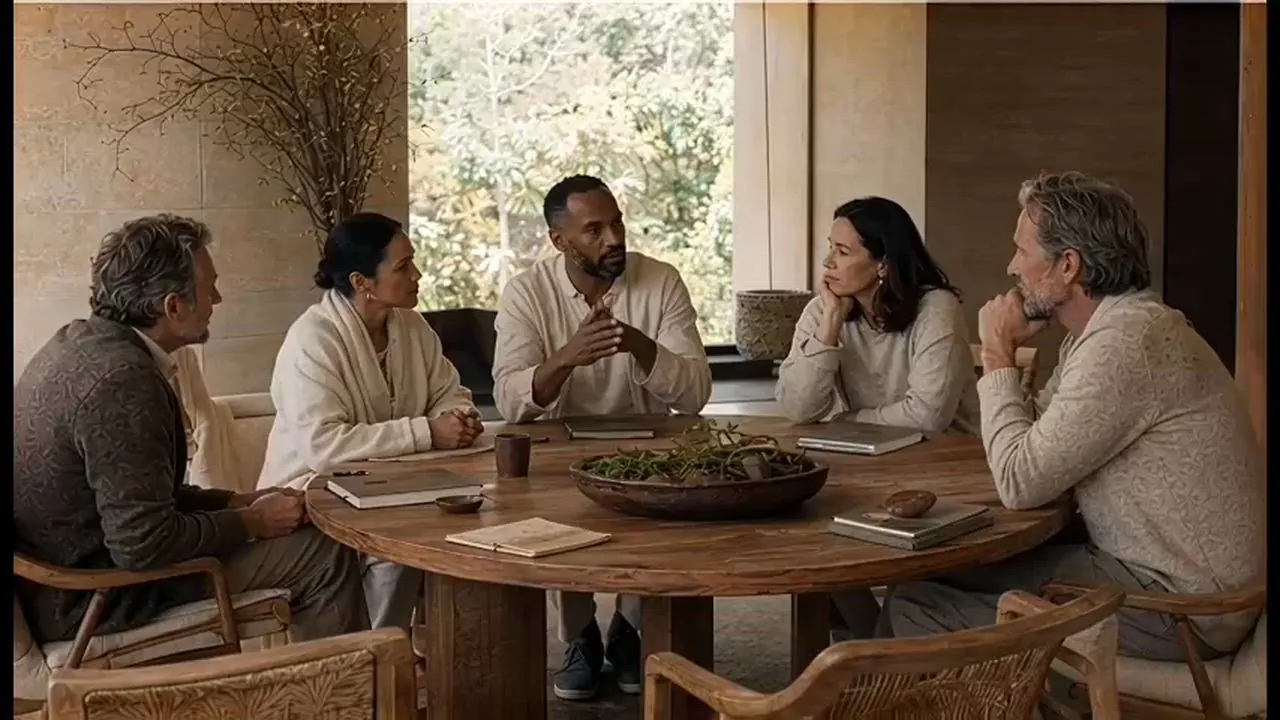
Concept illustration: Adults in conversation around a table
Concept · Adults in conversation around a table.

05Technology with purpose

Technology in Service of Better Practice.

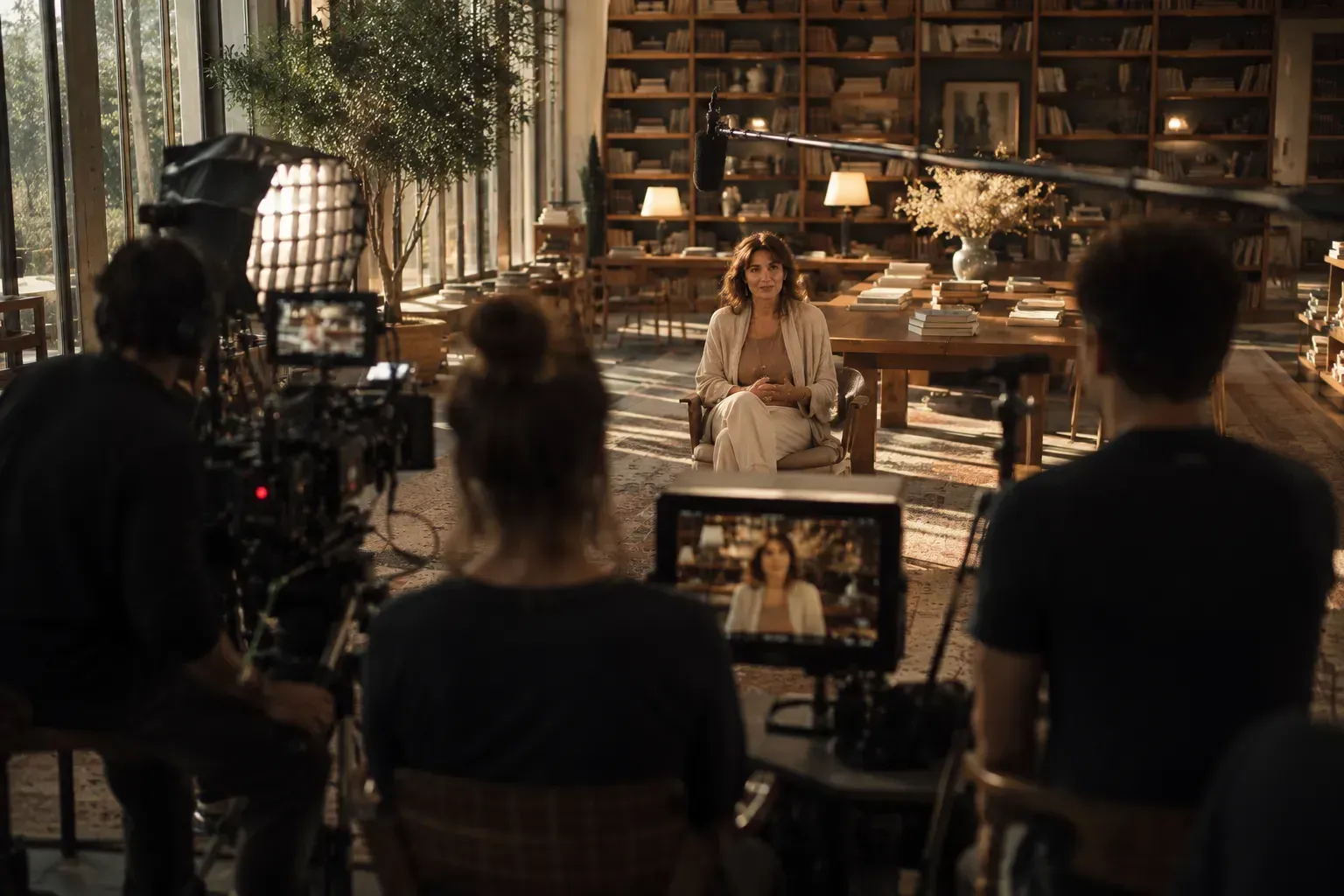
Concept illustration: Camera recording an educator in a library-like interior
Concept · Camera recording an educator in a library-like interior.
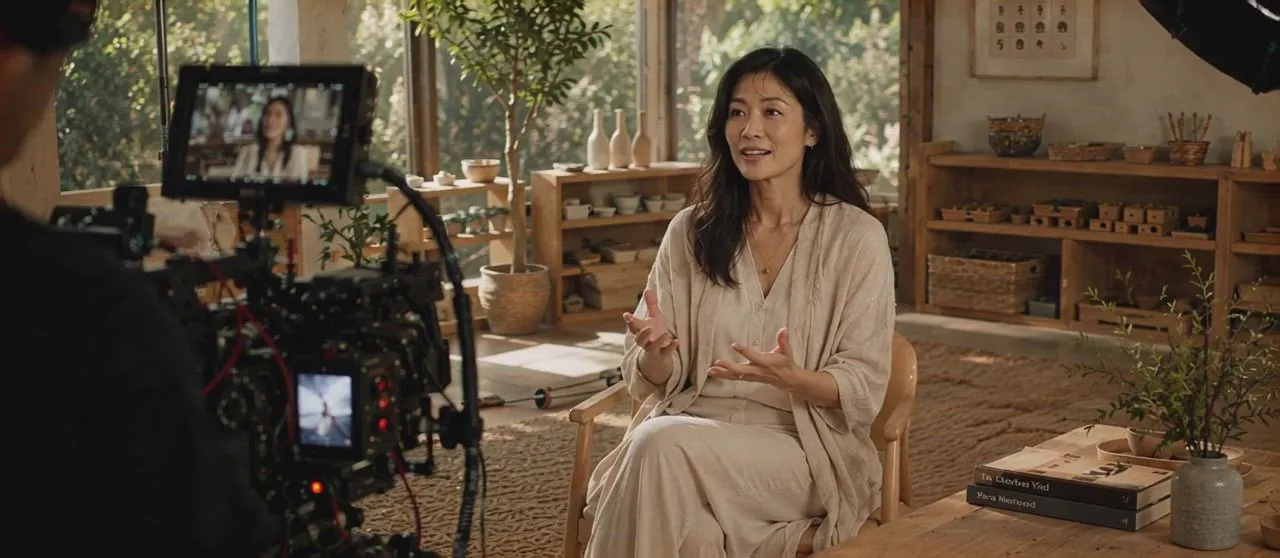
Concept illustration: Adult speaking to a camera in a learning interior
Concept · Adult speaking to a camera in a learning interior.

Technology widens access, makes learning easier to revisit and can strengthen support and feedback. The aim is not to replace human relationships, but to equip the adults who sustain them.

Explore GuideExplore Our Approach

Technology & Standards

Hands holding a smartphone outdoors
Guidance, within reach.

06Evidence

A Standard Worth Earning.

Trust must be earned through clear expectations, observed practice and honest evidence. We show what has been observed and assessed, with its context and its limits.

Field practice · Kayamandi, South Africa · 2025

Learning alongside practitioners.

A 2025 CoRE group began with 35 teachers and principals representing 31 early childhood centres. Facilitator visits describe practical changes, such as bringing materials within children’s reach and organising activities.

These are practice observations, not a controlled evaluation or evidence of long-term outcomes.

SourceKayamandi 2025 Group 1 Report #1, as summarised by the Indaba Institute.

Child assessment · Kayamandi · 2026

An independent snapshot, honestly framed.

An accredited, independent assessor used the Early Learning Outcomes Measure (ELOM 4&5), a standardised direct assessment, with four- and five-year-olds in CoRE-affiliated early learning programmes in one community, in isiXhosa.

It is a single, once-off assessment of how children were doing at the time, with no comparison group. It does not show that the programme caused the results, and we do not present it as if it did.

SourceIndaba evidence briefing (June 2026) summarising an independent ELOM 4&5 assessment. Method and limits, on the Indaba Foundation site (another Indaba site)

Field practice · Tanzania

Understanding each community.

CoRE work is identified in Mkalama and Zanzibar, Tanzania; figures are withheld until the field report is reviewed.

SourceIndaba Institute master brief; field report under review.

CoRE, designed by Educateurs sans Frontières (EsF), is delivered with the Indaba Institute. Where we publish a figure, we name its source, date and limitations.

All the evidence, with its limits

Meet Indaba

Expertise, Made Accessible.

Meet the people, the story and the roles behind Indaba, or go straight to the Institute where the craft is taught in depth.

Meet IndabaVisit the Indaba Institute (another Indaba site)