
01
Supervision
Each facilitator is supervised by a trainer who observes their work and gives feedback.

By selection, with partners
An advanced professional pathway for locally rooted educators who can train, mentor and help sustain quality in their communities.
01Roles and progression
Facilitation is a progression, and each step is recognised for what it is. Being a facilitator-in-training is not yet a facilitator credential, and no single certificate covers every role. Coordinating cohorts, logistics, safeguarding and reporting is agreed with the Indaba Institute and each partner, and is separate from these roles.
In the CoRE model described in 2024, a defined pathway leads from the CoRE practitioner certificate to CoRE trainer, through Montessori orientation or assistant certificates, the facilitator-in-training year and diploma training. Role definitions and any awards attached to them are being formalised with the Indaba Institute.
The path begins here
01 · Preparing
Facilitator-in-training
A selected practitioner who co-facilitates under supervision while completing a year of preparation.
02 · Leading
Facilitator
Leads workshops and mentoring visits for a cohort, working to shared standards, supported by a trainer.
03 · Mentoring
Master facilitator
An experienced facilitator who mentors other facilitators, observes their practice and helps keep standards consistent.
04 · Forming
Trainer
Prepares and supervises facilitators-in-training, and is responsible for the quality of their formation.
02Why facilitators
Promising programmes often lose their effect as they grow: training is diluted, standards drift and support thins out. A workshop is only one part of a longer process. What sustains change is a trusted, skilled person who comes back: to observe, to coach and to notice what still needs attention.
Facilitators are that person. They are the bridge between the Indaba Institute and the field. Today CoRE is delivered by five active facilitators (Indaba evidence briefing, June 2026), which is why forming more, carefully, matters so much.
Prepare teachers and caregivers through practical, facilitated workshops.
Visit, observe and coach in classrooms and centres, long after the workshop.
Keep shared standards strong as more people take part.
Recognise and encourage the next generation of facilitators.
Most systems scale buildings. Indaba sets out to scale prepared people.
03Profile and selection
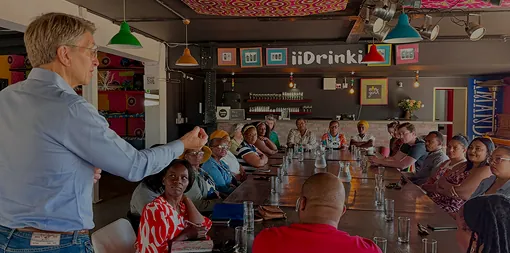
Facilitators are chosen for their practice and their standing in their community, not only for their qualifications. We look for people other educators already learn from.
How selection is intended to work: the details are agreed with each partner and cohort.
01
Nominated by a partner or trainer, or registered here.
02
A conversation and an observation of your practice.
03
Agreed with the partner, linked to a planned cohort.
04
The supervised facilitator-in-training year begins.
04Training and supervised practice
 Concept
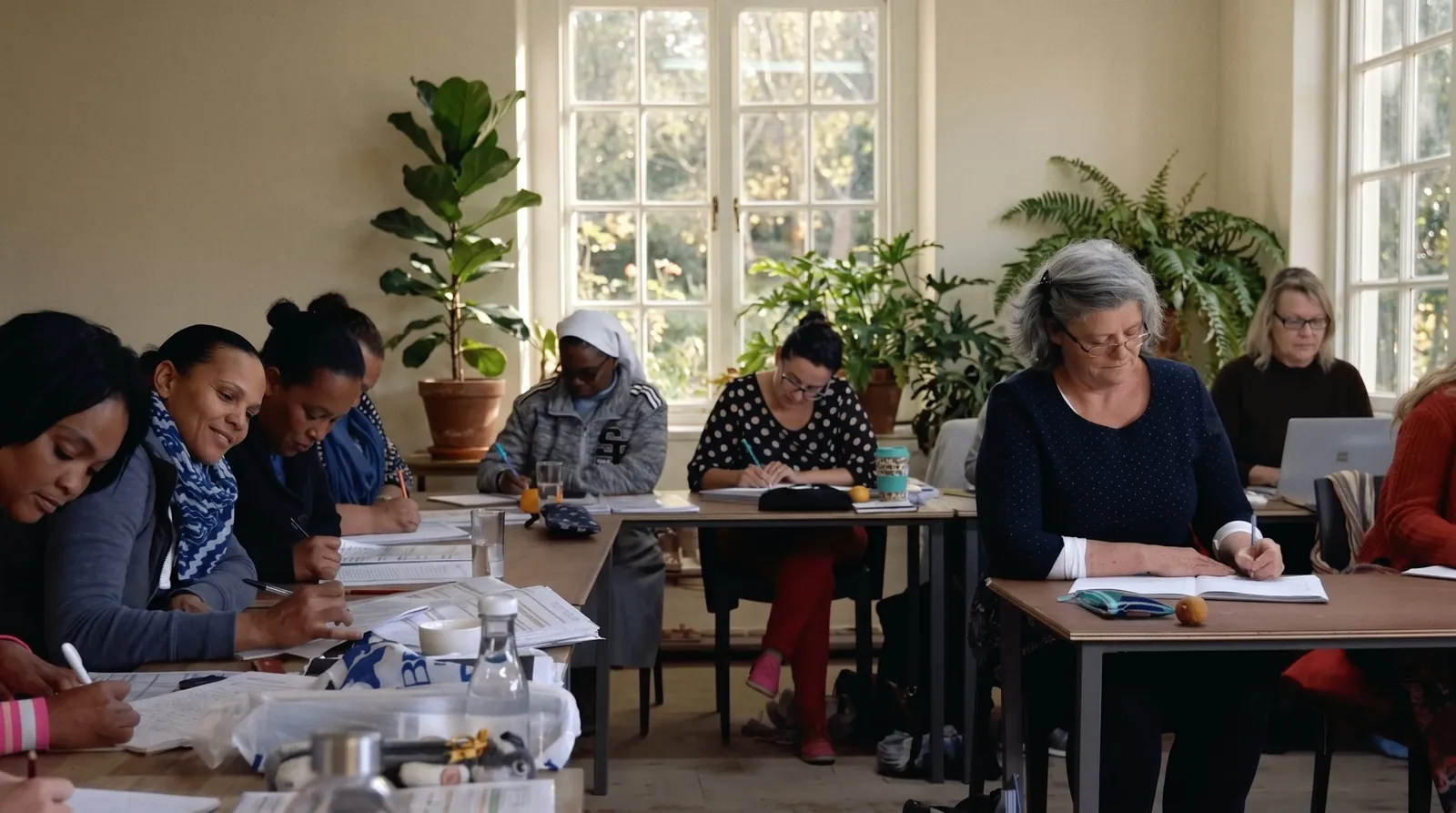
Facilitators learn the craft by doing it alongside someone experienced. In the 2024 CoRE model, the facilitator-in-training programme was a one-year commitment: the seven monthly modules, plus 70 further hours building community and visiting centres.
Preparation moves from participating, to co-facilitating, to leading with a trainer present, with observation and feedback at every step.
01
Experience the modules from the inside.
02
Share sessions and centre visits with a trainer.
03
Lead with a trainer observing and giving feedback.
04
Practice is reviewed before the next role.
05Responsibilities
A facilitator’s work happens in workshops, in centres and in the community. In the CoRE model, facilitators continue mentoring visits to centres for at least five months after the modules end, and each cohort keeps a peer group going.
Classroom visit · Room 2
What changed since last time?
Observed today
Materials on low shelves. Children choosing their own work. Two children pouring, one returning again and again.
Since the last visit
Coaching focus
“Watch for ten minutes before stepping in.”
Agreed next step
Add a pouring activity to the practical-life shelf. Notice who returns to it.
06Support and standards
What the model requires of every cohort. Each cohort is set up with the Indaba Institute and the partner before facilitators begin.
01
Each facilitator is supervised by a trainer who observes their work and gives feedback.
02
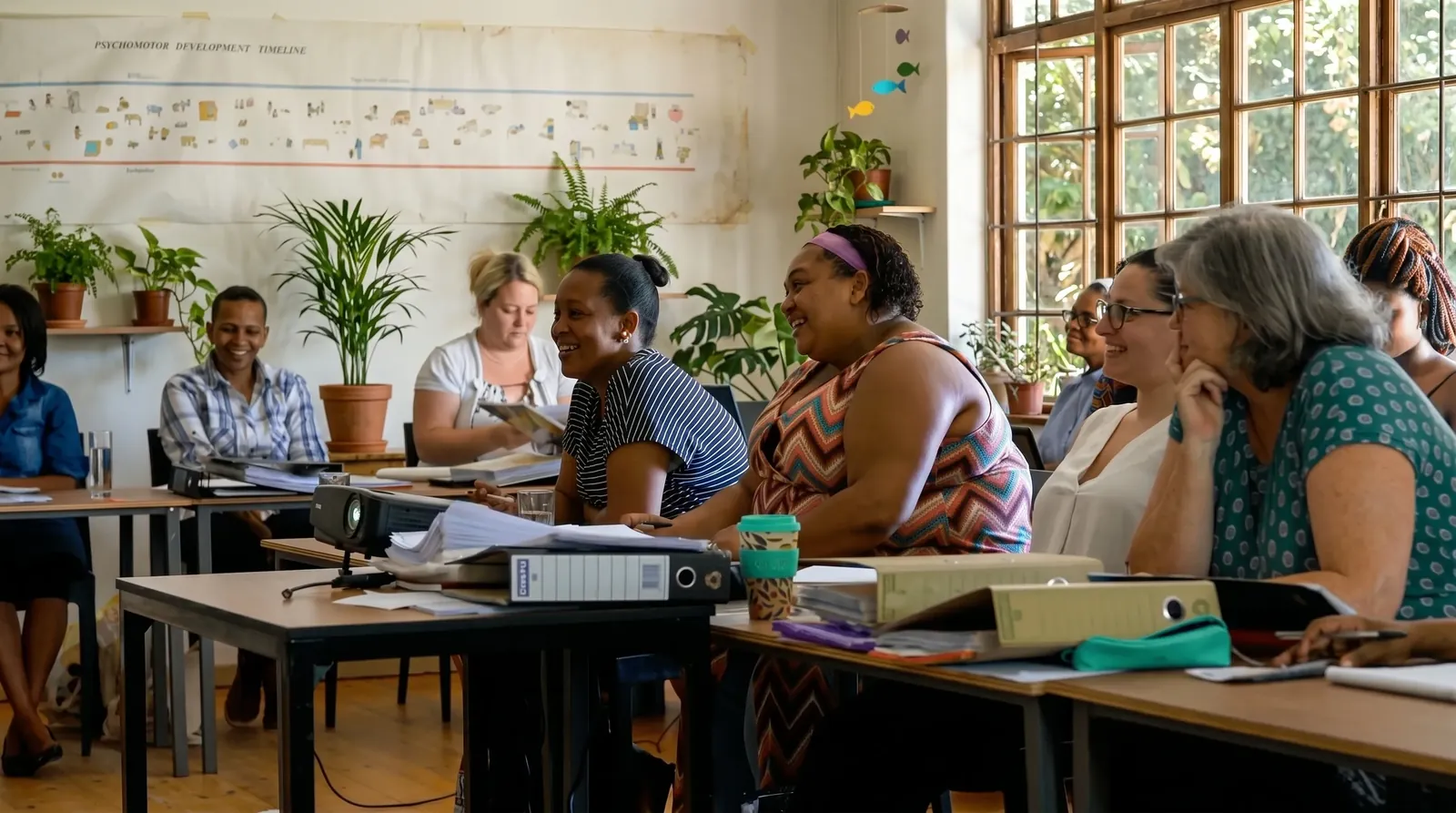
Facilitators share what is working, and what is not, with peers.

03
Common observation tools and quality expectations, being formalised with the Indaba Institute.

04
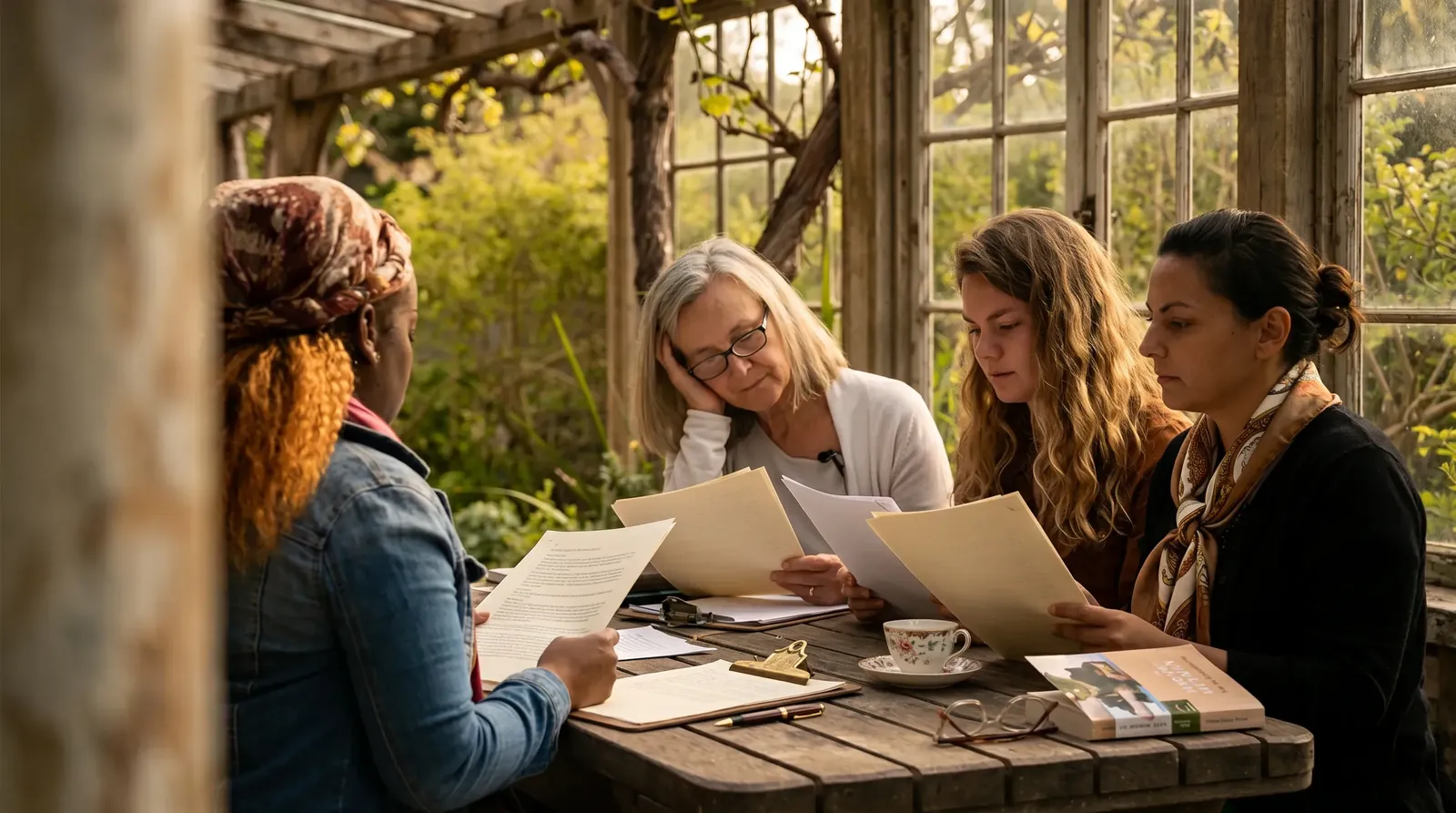
Regular review of visit notes and practice keeps support honest.

05
Written safeguarding procedures for working with children, families and centres, agreed with the Institute and the partner for each cohort.
06
A progression to master facilitator or trainer for those suited to it.
07Institutional deployment
For organisations and public partners, trained local facilitators are what turn a programme into lasting capability. Through Indaba Deploy, partners can develop their own facilitator team, selected from their communities and prepared to shared standards.
That way, quality stays close to where children are, and does not depend on experts flying in.
Planning model · not reported results
1
fully formed facilitator, prepared over one to two years
≈70
teachers prepared and mentored each year
≈330
caregivers professionally trained each year
Annual projection
≈12,000–14,000
children benefiting each year, depending on deployment context
Teachers stay in their classrooms. Each year they welcome new children, while the facilitator prepares the next group of adults. Capability accumulates instead of ending with a programme.
Long-term projection
≈240,000
children benefiting over the long term, depending on deployment context
Today, in practice
SourceIndaba’s planning model for one fully formed facilitator (2026). Figures are approximate, depend on deployment context and describe what the model is designed to support, not outcomes achieved.
08Questions
Places open by selection, with partners, when a cohort needs facilitators-in-training. Register interest and tell us about your experience and where you work.
Usually, yes. Facilitators need to know the programme from the inside. Talk to us if your background is different.
Arrangements depend on the partner and the cohort, and are agreed before preparation begins.
Each role is recognised separately. Role definitions and any awards are being formalised with the Indaba Institute; we will not describe a credential until it is confirmed.
09At a glance
10Register interest
Applications open by selection with partners. Register interest and tell us about your practice and your community; we will be in touch if a cohort near you is selecting facilitators-in-training.
Interest registered
Thank you.
We have your details and will write to you when there is news about what you chose. You can ask us to remove them at any time.
Indaba Facilitators
Organisations can build a local facilitator team as part of an Indaba deployment.