Deploy · Our Approach
Engineered for Excellence. Designed for the World.
A scalable early childhood system needs more than good educational content. It needs the people, technology, practices and standards that turn knowledge into durable capability.
01Core architecture
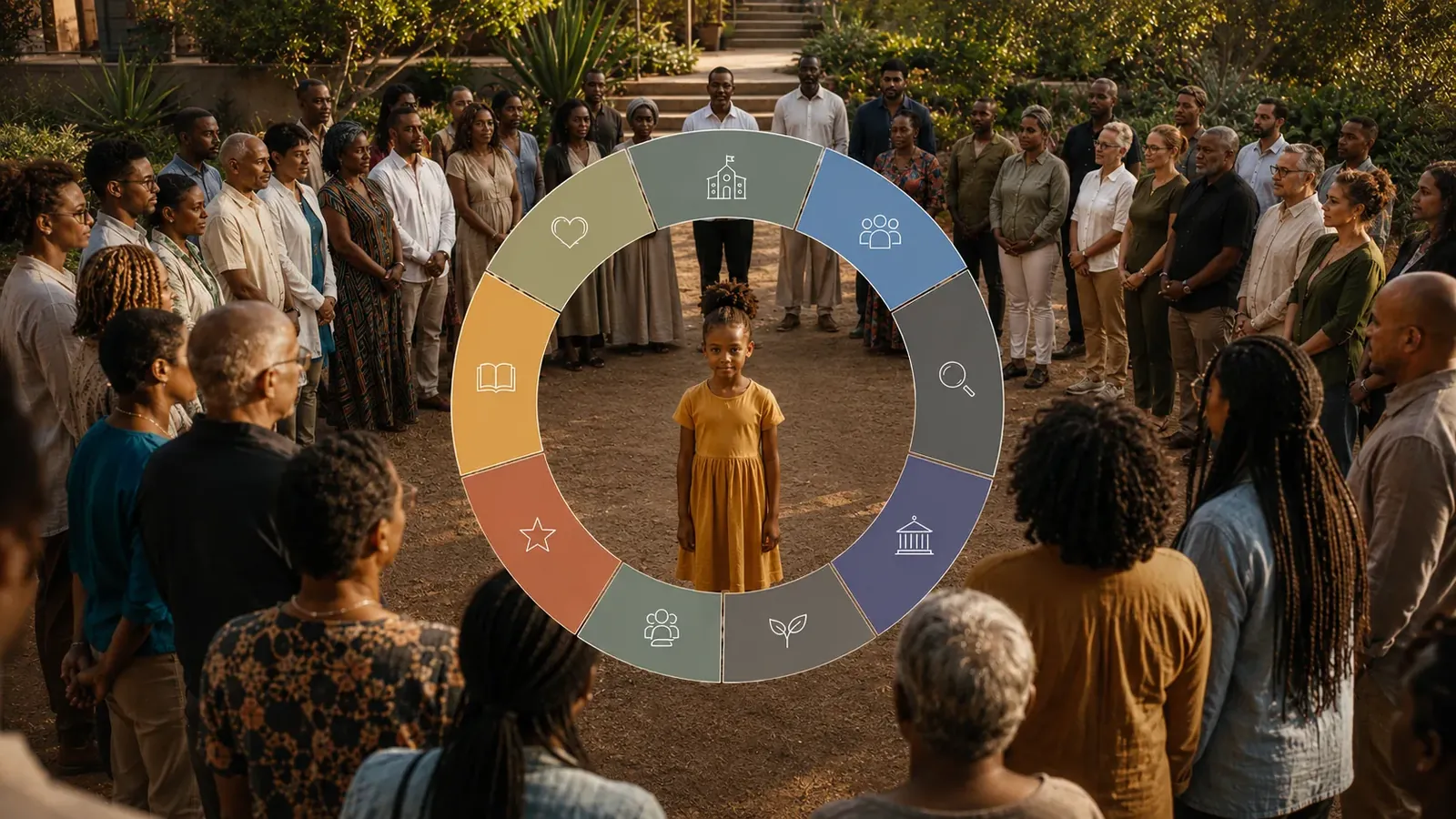
Four Layers. One Coherent System.
 Concept
01Layer 1
Knowledge
Child-development principles, Montessori-rooted pedagogy, curriculum, relevant research and observable practice.

02Layer 2
Technology
Discovery, content distribution, guided pathways and implementation tools; features are described according to readiness and partner scope.
03Layer 3
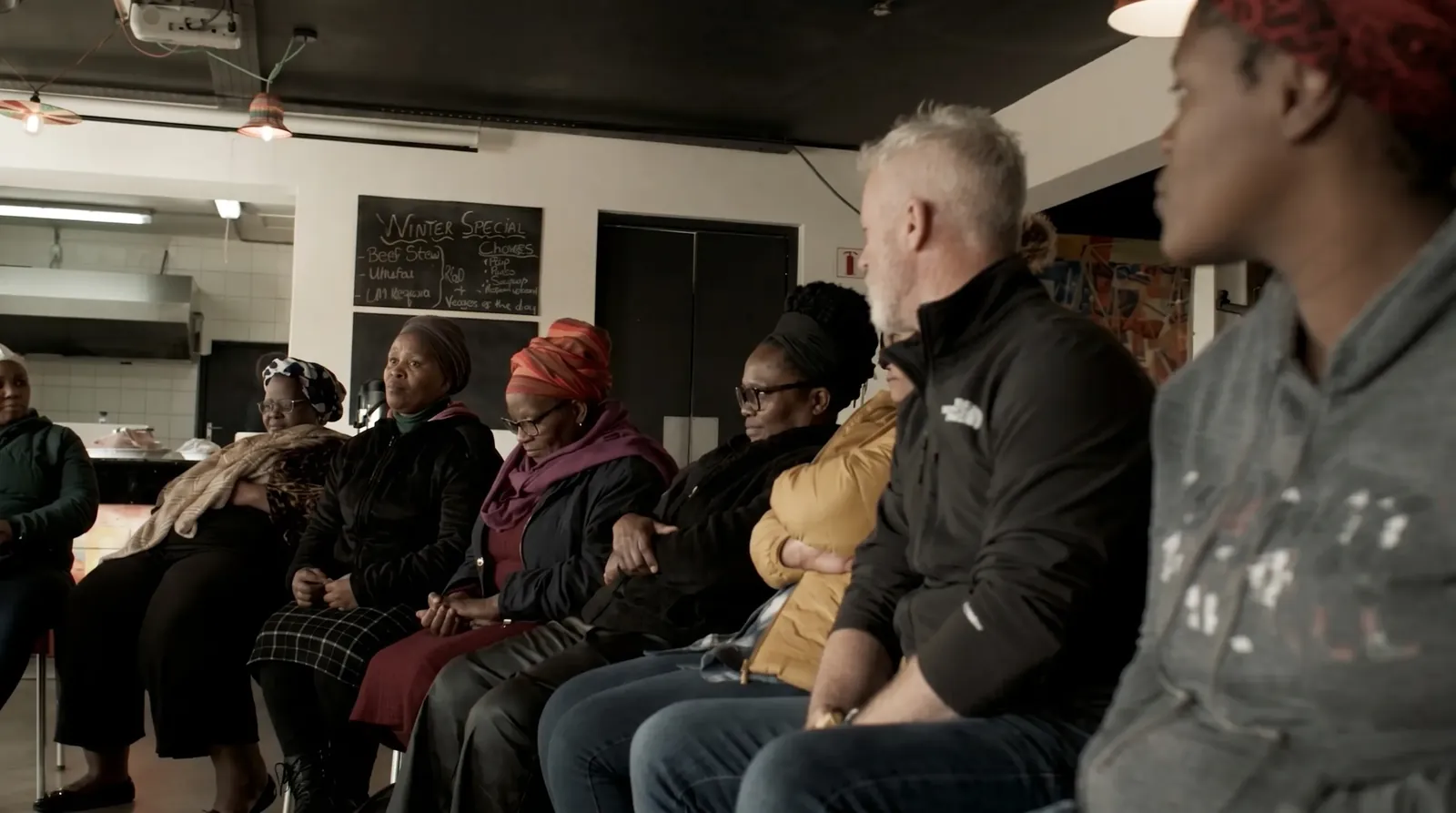
People
Parents, caregivers, educators, facilitators and partner teams whose capabilities create daily value.
 Concept
04Layer 4
Standards
Quality assurance, mentoring, observation, evidence, assessments and continuous improvement.
None of these layers works at its best in isolation. Together, they allow expertise to move into practice and practice to improve over time.
02Principles in practice
Universal in Principle. Local in Practice.
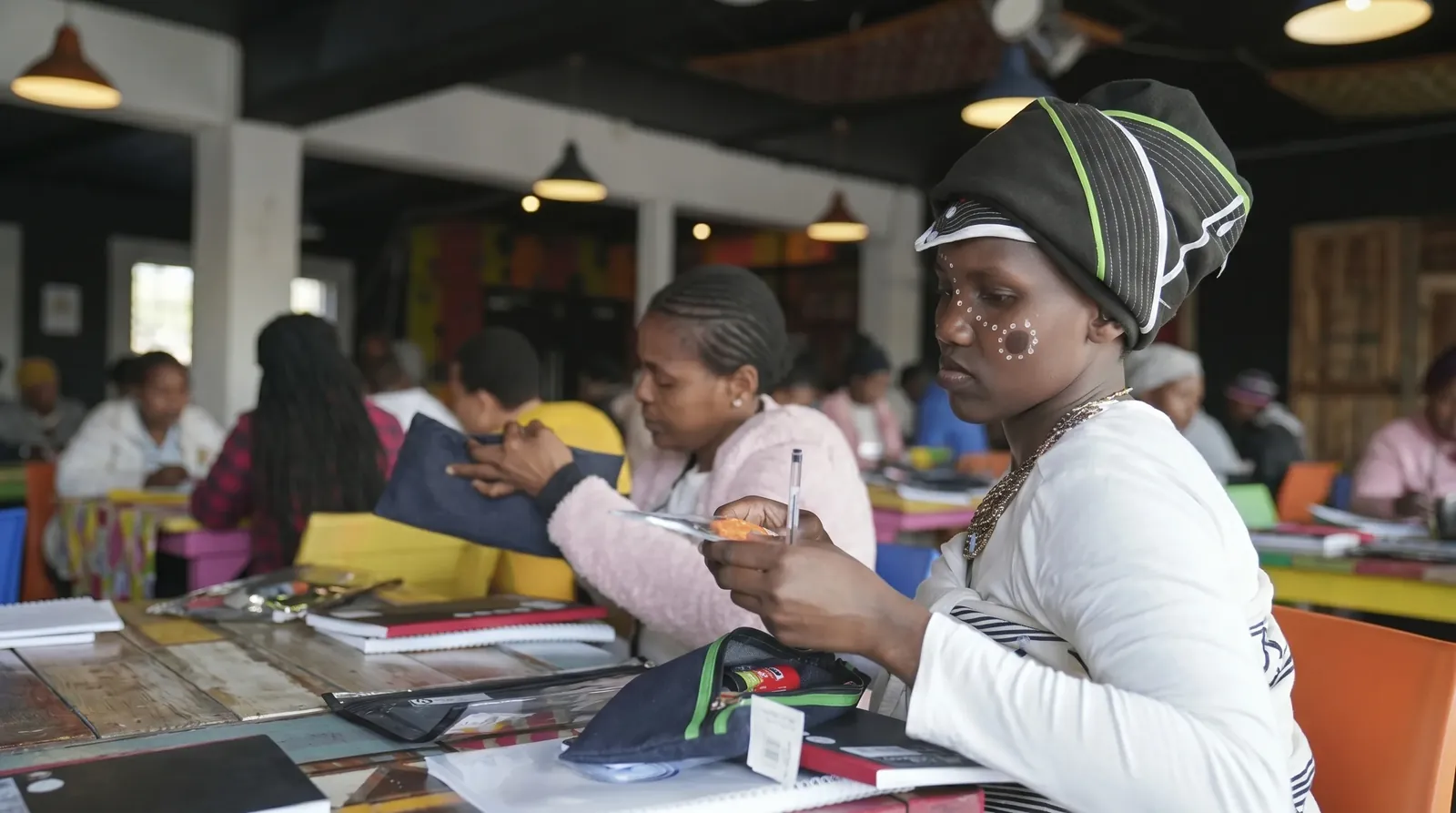
Each partnership begins with the realities of its community: language, culture, existing services, adult learning needs, infrastructure, delivery economics and governance. Local adaptation should preserve essential quality standards while making the experience practical and relevant.
03The six stages
Discover. Design. Prove. Build. Scale. Sustain.
-
01
Discover
We listen to decision-makers and frontline practitioners, review evidence and map existing resources.
DeliverableAgreed opportunity and success definition.
-
02
Design
We select components, define roles and establish an affordable implementation plan with milestones and quality indicators.
DeliverableDeployment blueprint.
-
03
Prove
We validate experience, capacity, uptake and measurable progress with the first cohort or locality.
DeliverableLearning report and refined economics.
-
04
Build
We strengthen the local workforce, facilitator capacity, operational systems and oversight.
DeliverableTrained team and working routines.
-
05
Scale
We expand in phases while monitoring fidelity, cost, quality and user experience.
DeliverableReplicable operating model.
-
06
Sustain
We embed local ownership, governance, financing and improvement cycles.
DeliverableEnduring institutional capability.
04What we measure
Progress You Can See. Quality You Can Trust.
Each deployment agrees its measures with the partner before it starts. We distinguish outputs (what was delivered), outcomes (what changed in adults’ knowledge and practice) and long-term impact (what changes for children over time), and we do not publish predetermined results.
Child-development measures are used only where appropriate and ethically collected, with the consent and safeguards the setting requires.
- Enrolment and active participation
- Completion
- Demonstrated skills
- Observation quality
- Facilitator activity
- User satisfaction
- Employment outcomes, where relevant
- Child-development measures, where appropriate and ethically collected
05Financial discipline
Built for Affordability. Designed to Last.
A durable system must create value within real economic constraints. We use reusable learning assets, local capability development and staged deployment to improve efficiency without treating quality as optional. Funding structures may combine earned revenue, institutional contracts and catalytic funding according to context and legal entity.
Begin with the context
Start with the Reality on the Ground.
Let’s explore where your current system is strong, where capacity is missing and what an effective starting point could look like.